Words & Images by Julien & Marie-Liesse
Our story begins on June 15, 2024. That’s when Julien and I (Marie) decided to set off from Canada and head to Ushuaia. A journey across the American continent from the Northernmost point to the Southernmost point possible.
Since then, we have traveled more than 15,000 km. Bikepacking has become our way of discovering the world. We don’t travel like ordinary tourists. We travel off the beaten track, far from civilization. It is in the intimacy of small villages that we discover the authenticity of a country, its cultures, and its taboos.
So, after crossing the United States by bike, we decided to continue our great adventure towards Central America. The next step was obvious: Mexico. And as we studied the maps, one name kept coming up, as if it were meant to be. The Baja Divide.
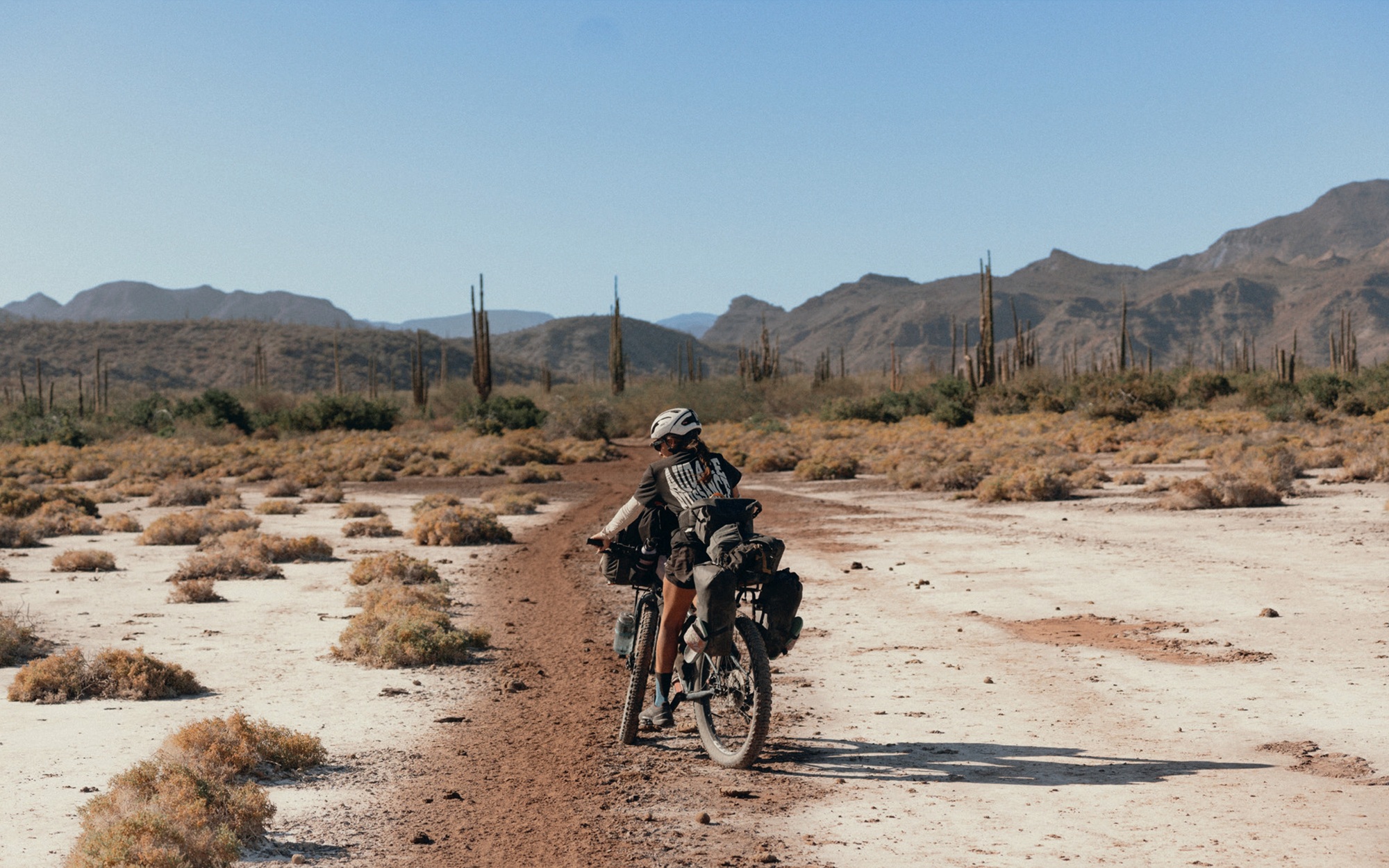
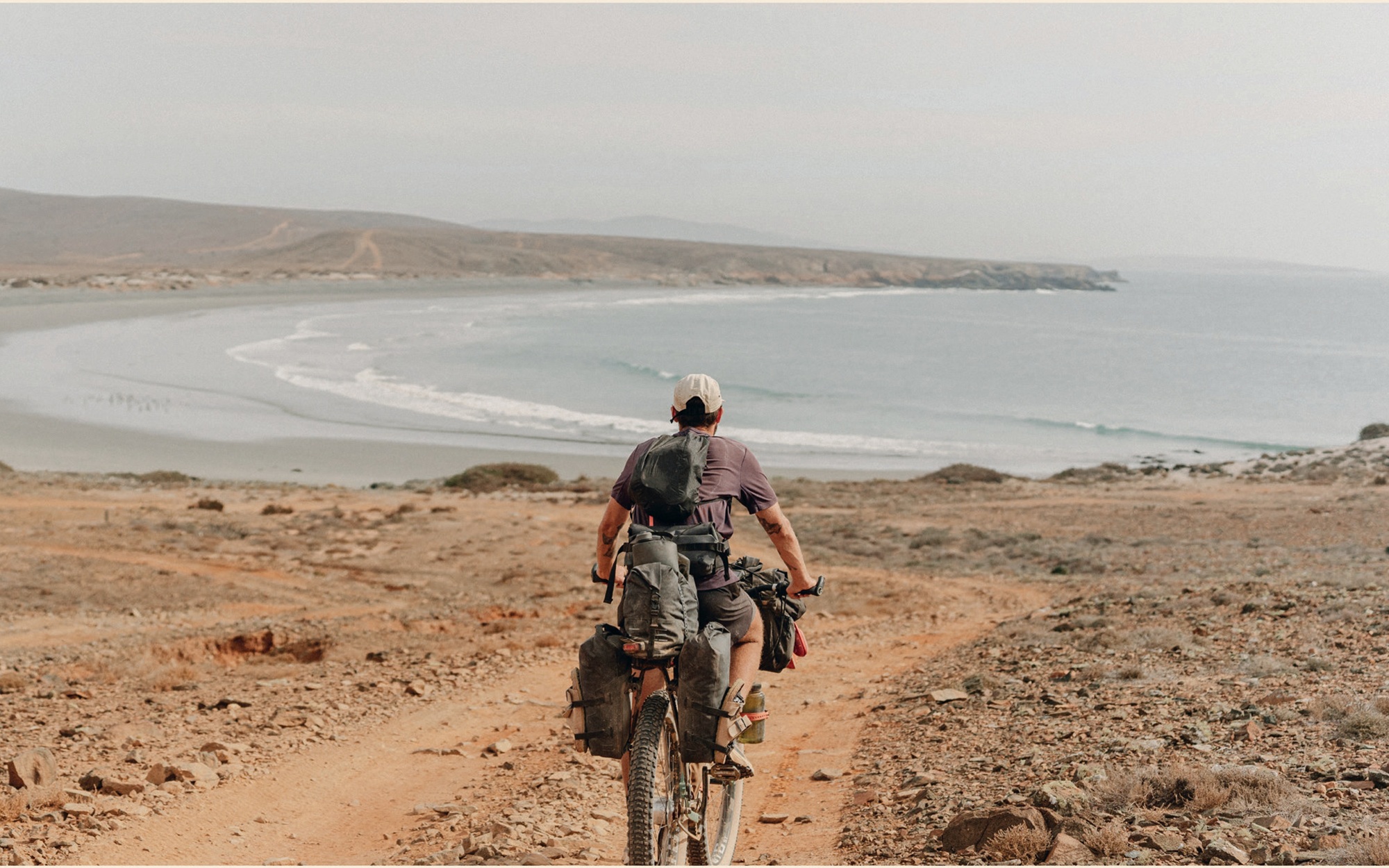
This route, stretching over 2,700 kilometres, crosses the Baja California peninsula from north to south, between the Pacific Ocean and the Sea of Cortez. It is a legendary road, renowned for its harsh conditions: oppressive heat, rocky and sandy tracks, and scarce water supplies. But it also inspires dreams with its forests of giant cacti, wild coastlines, and unlikely encounters that mark a traveler’s life.
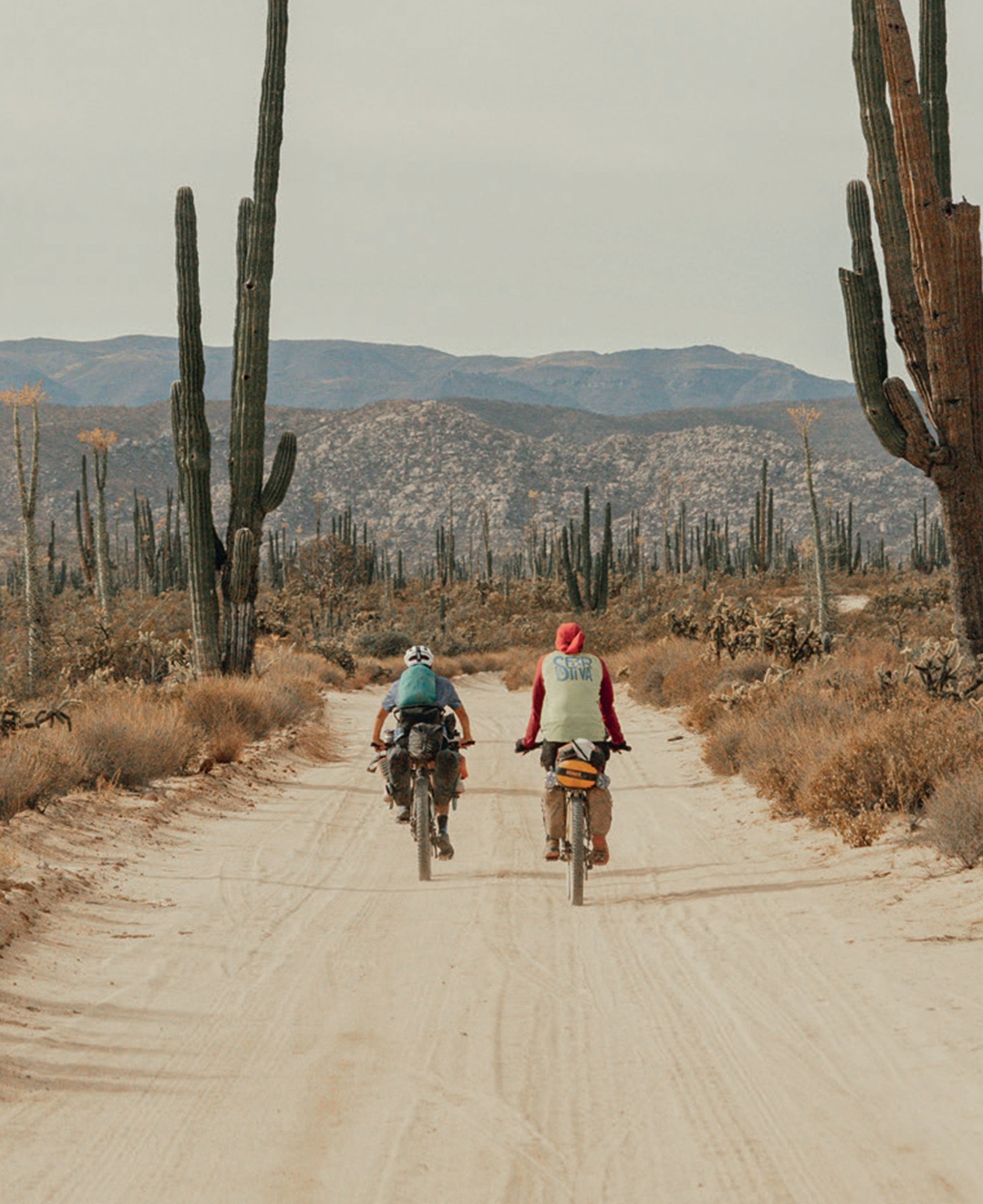
To immerse yourself in the setting of this legendary Baja Divide route, imagine endless arid landscapes stretching as far as the eye can see. The sand is burning hot, licking at our wheels as if it wants to hold us back forever. The breeze is light during the day, sometimes non-existent for days on end. Clouds are scattered across the sky, too few to provide any welcome shade.
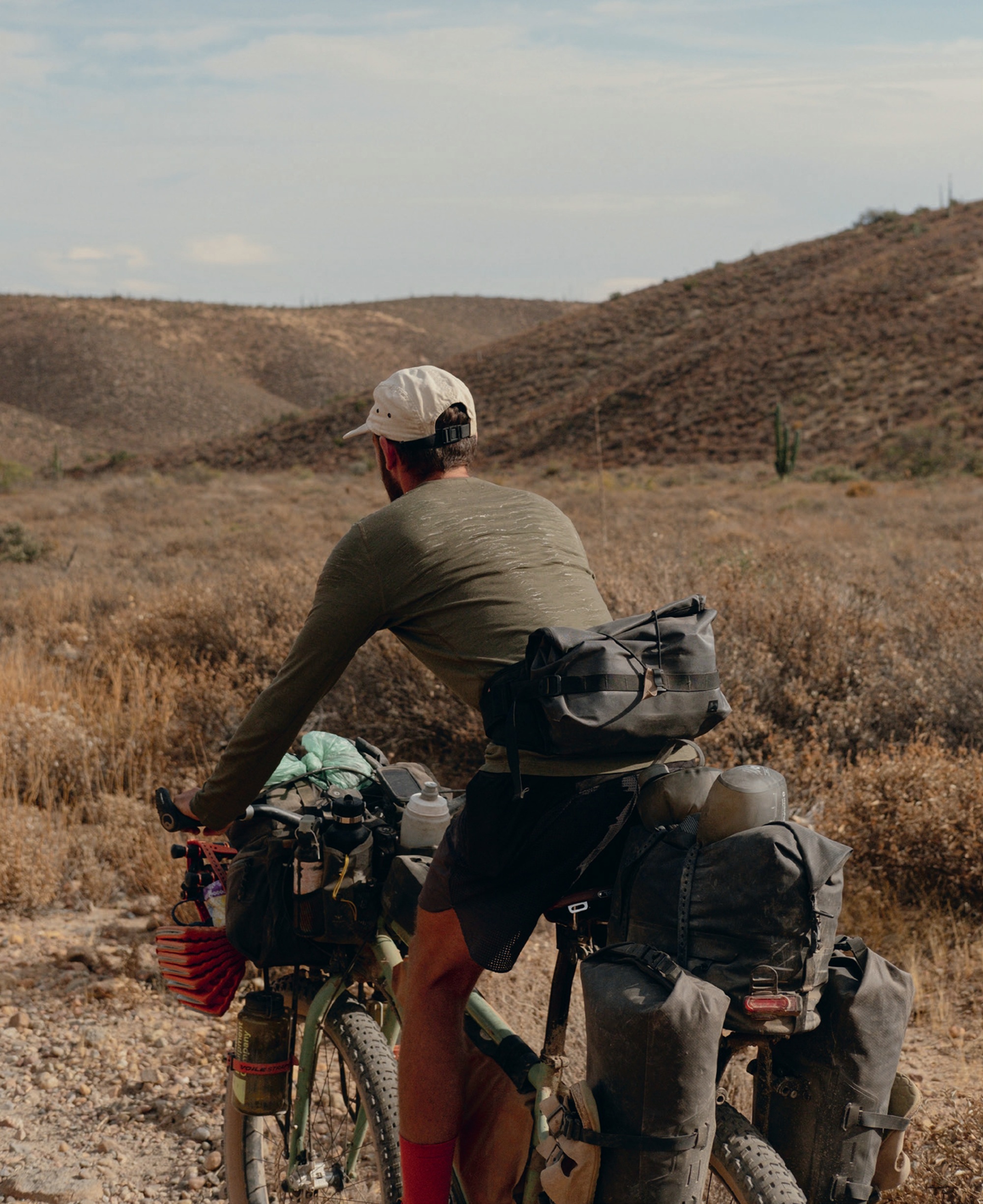
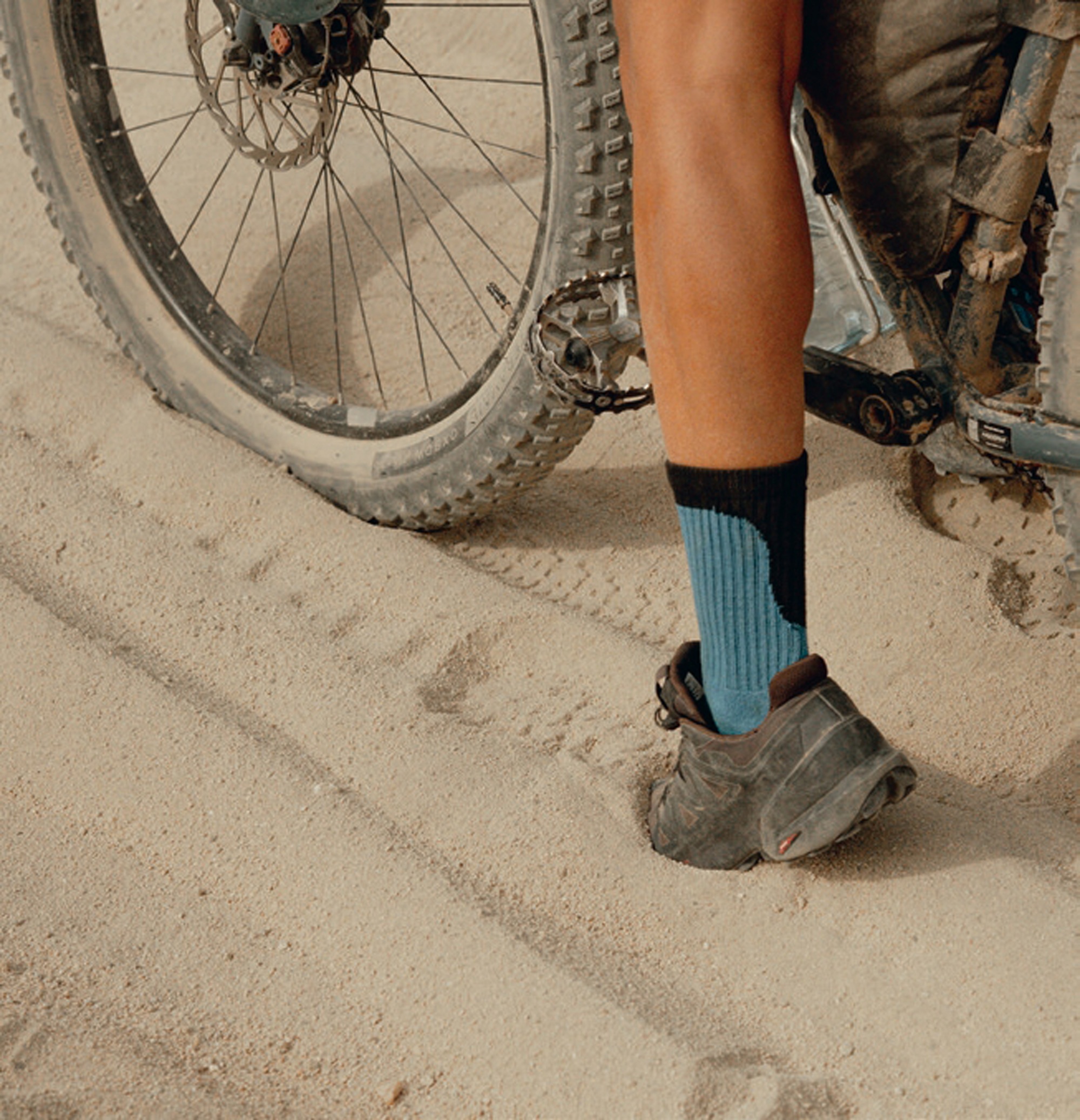
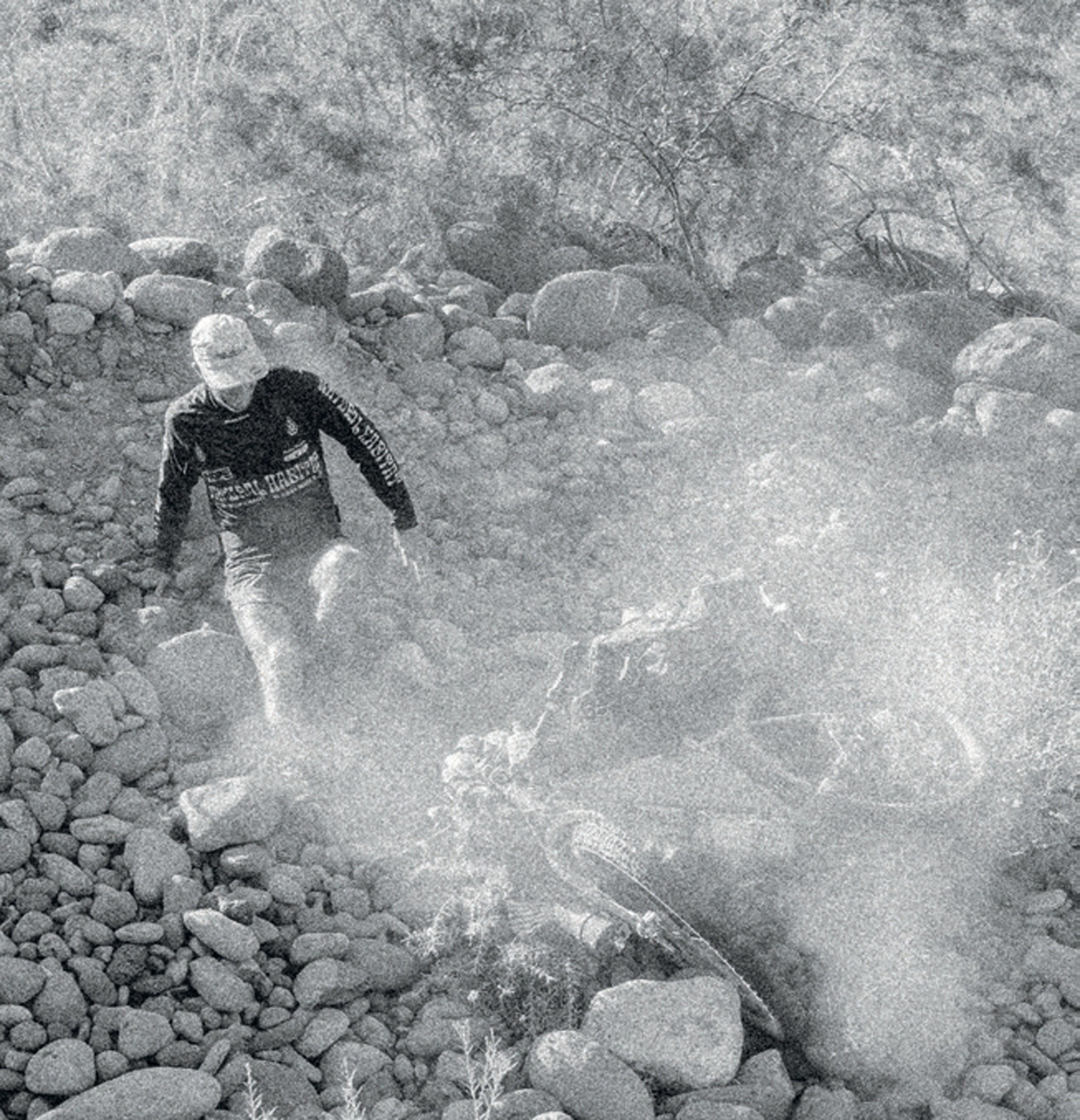
And in this vastness, there we are. Alone in the middle of the desert, battling against the sand. At times, it is so thick that it becomes impossible to stay in the saddle: we have to push our bikes, sometimes for hours on end.
These moments are unavoidable on this route. Exhausting, certainly, but an integral part of the experience. The Baja is a demanding route that requires all our energy and concentration at all times.
To prepare for this new challenge, we relied on our discipline. Since the US, we had established a well-oiled daily routine. We woke up around 8am and ended the day around 7pm, depending on our energy levels. This allowed us to cover between 50 and 100km per day.
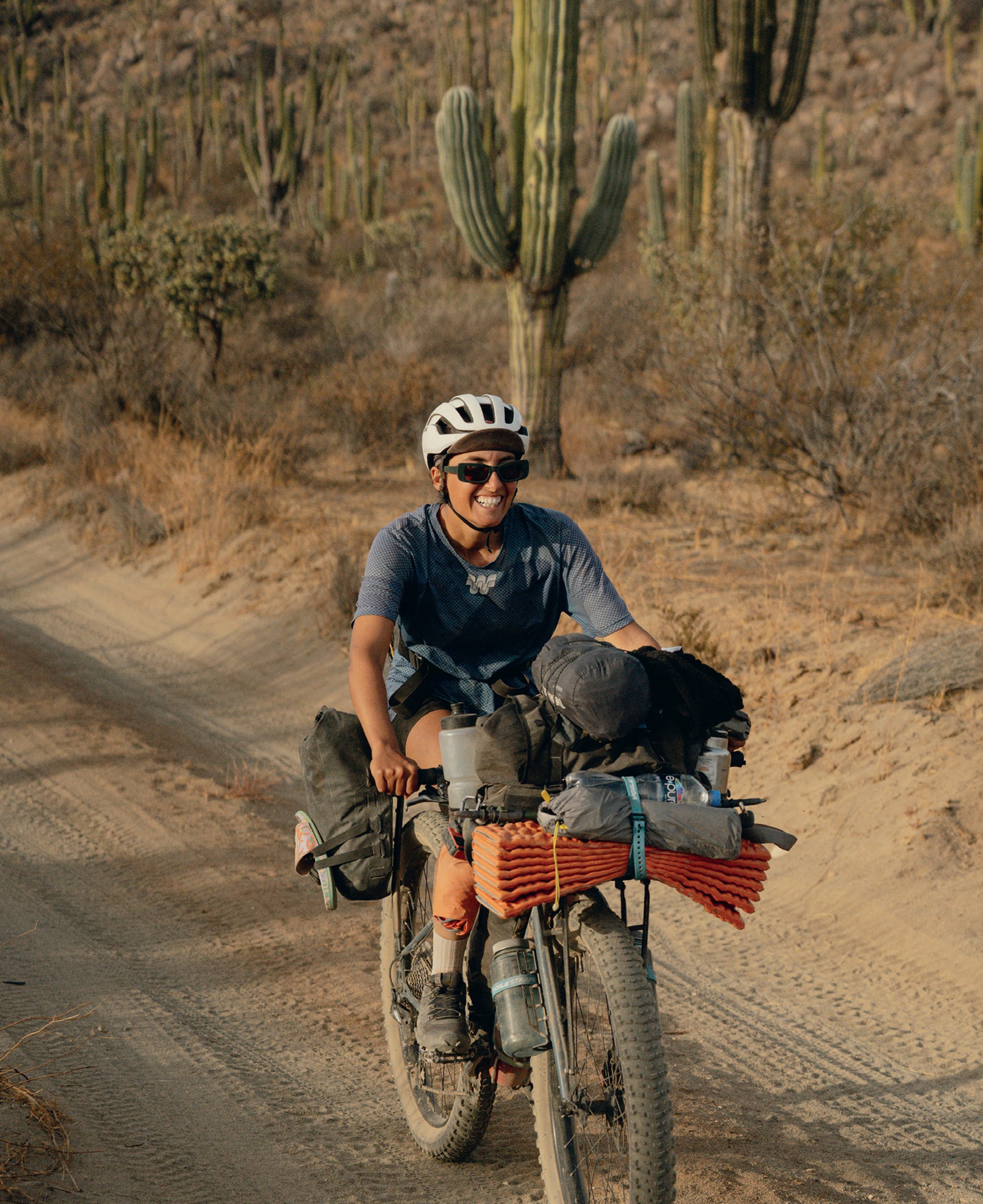
But this routine didn’t last long on the peninsula… When we arrived at the beginning of winter, we realized that our days would be shorter but just as intense.
So, we reinvented our daily routine: waking up around 5am and taking a relatively short lunch break to allow us to spend as much time as possible on our bikes. Afternoons are timed. Not a second to lose if we want to add a few miles to our odometer. Under these new conditions, we can’t manage more than 50km per day.
Of course, we make sure to set up camp before nightfall and, once dinner is over, we have to fight the urge to slip into our sleeping bags too quickly. With the sun setting around 4pm, staying awake after 6pm becomes almost a challenge in itself.
Once we got used to this new pace, we began to really enjoy the road and these challenges. After a few days along the Pacific Coast, we finally turned towards the Sea of Cortez. Also known as the Gulf of California, it separates the peninsula from mainland Mexico.
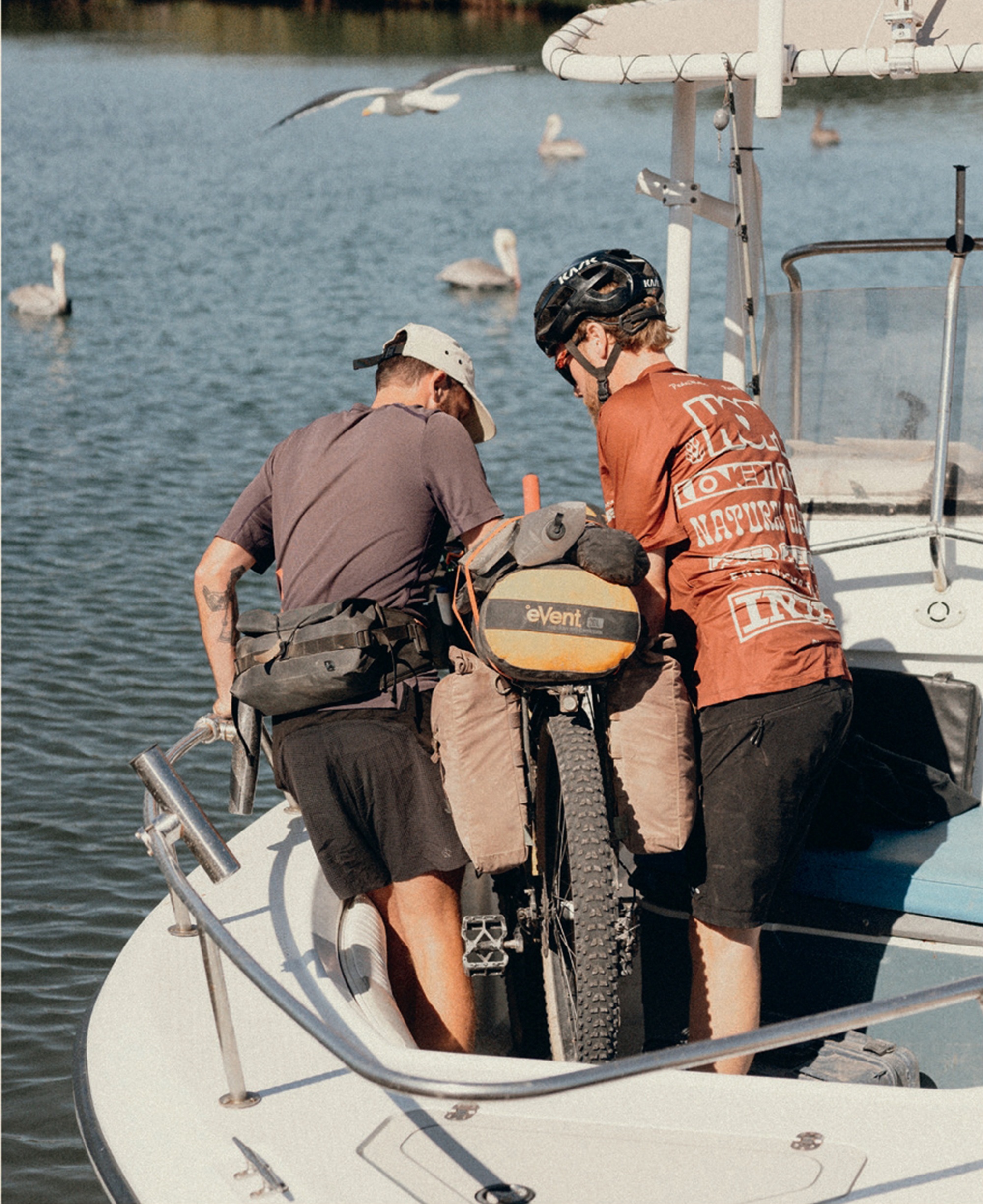
Thanks to Alex (a local fisherman), we boarded a small boat to cross this sparkling sea and continue our journey a few miles further. Hoisted with all our strength, each bike weighed as much as a fully loaded semi-truck. The balance was precarious, but excitement took over despite knowing what awaited us. A deserted peninsula, with no taquería in sight, no lifesaving supermarket. Just us, our bikes, and the wild immensity.
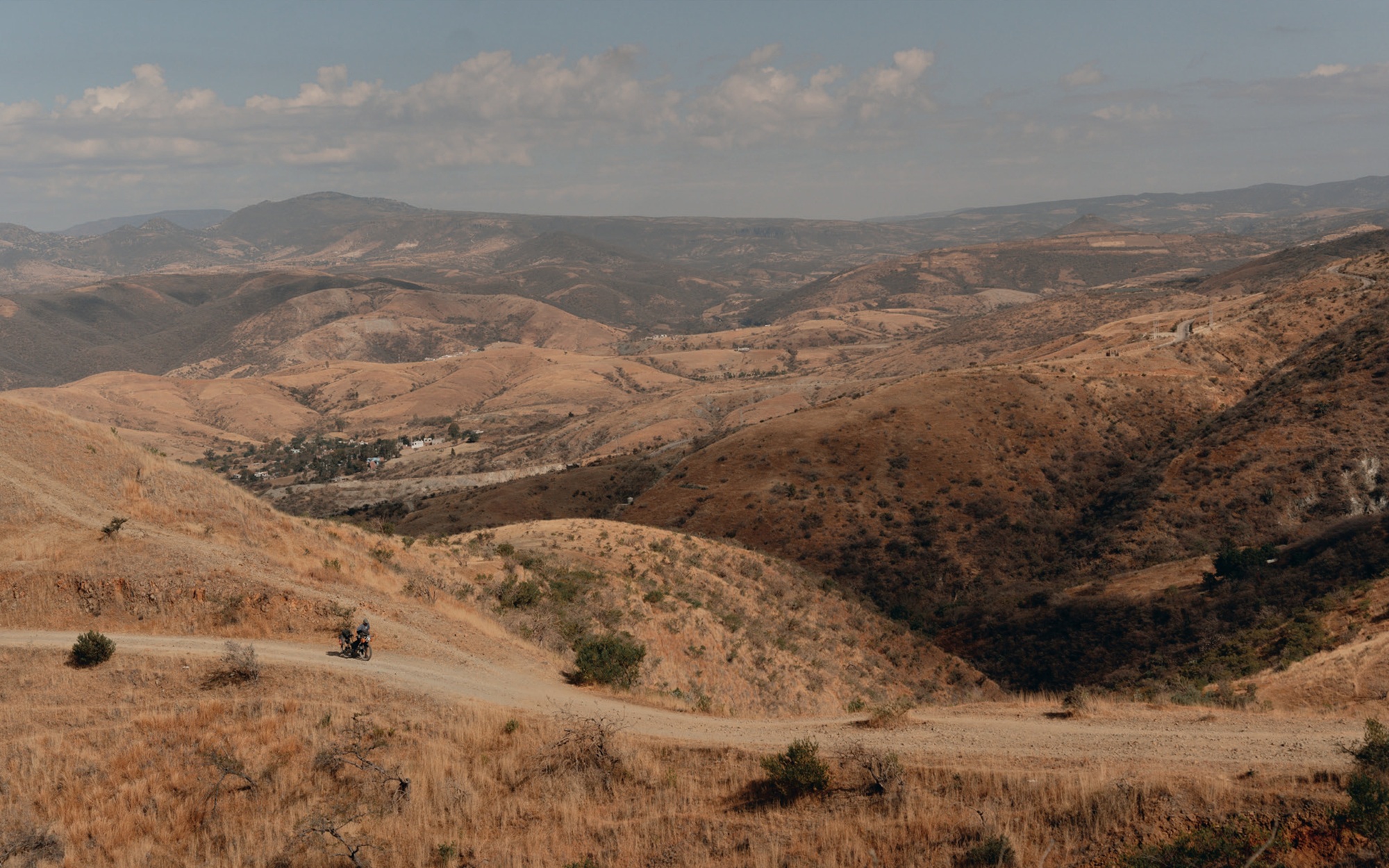
Once dropped off by our captain, we struggled to make progress. The hours are long and painful, especially when I fall ill. Julien decides to shorten the stage so that I can rest in the protective shade of the cacti.
Eating in this heat is a real challenge. It’s impossible to take perishable food with us, so we have to find alternatives to fresh produce in order to survive. We’ve only found one meal that can withstand all temperatures: ramen noodles. The only requirement for preparing them is to carefully conserve enough water to cook them. We each carry about ten servings.
From time to time, we come across restaurants lost in the middle of the desert. We take the opportunity to treat ourselves to a cold drink and a meal that’s a bit different from our usual pasta.
There are many sections without food or water supplies. Before each stage, we meticulously fill our panniers with food, making our bikes even heavier. Between light but tasty meals and little treats, we have everything we need to keep our spirits up as we rack up the miles. Our little trick for coping with the heat and continuing to drink despite our water bottles turning into kettles? Add flavored powder sachets to the water. It’s become a game: who will have tried the most flavors? This technique also works with simple tea bags, which turn every sip into a little reward.
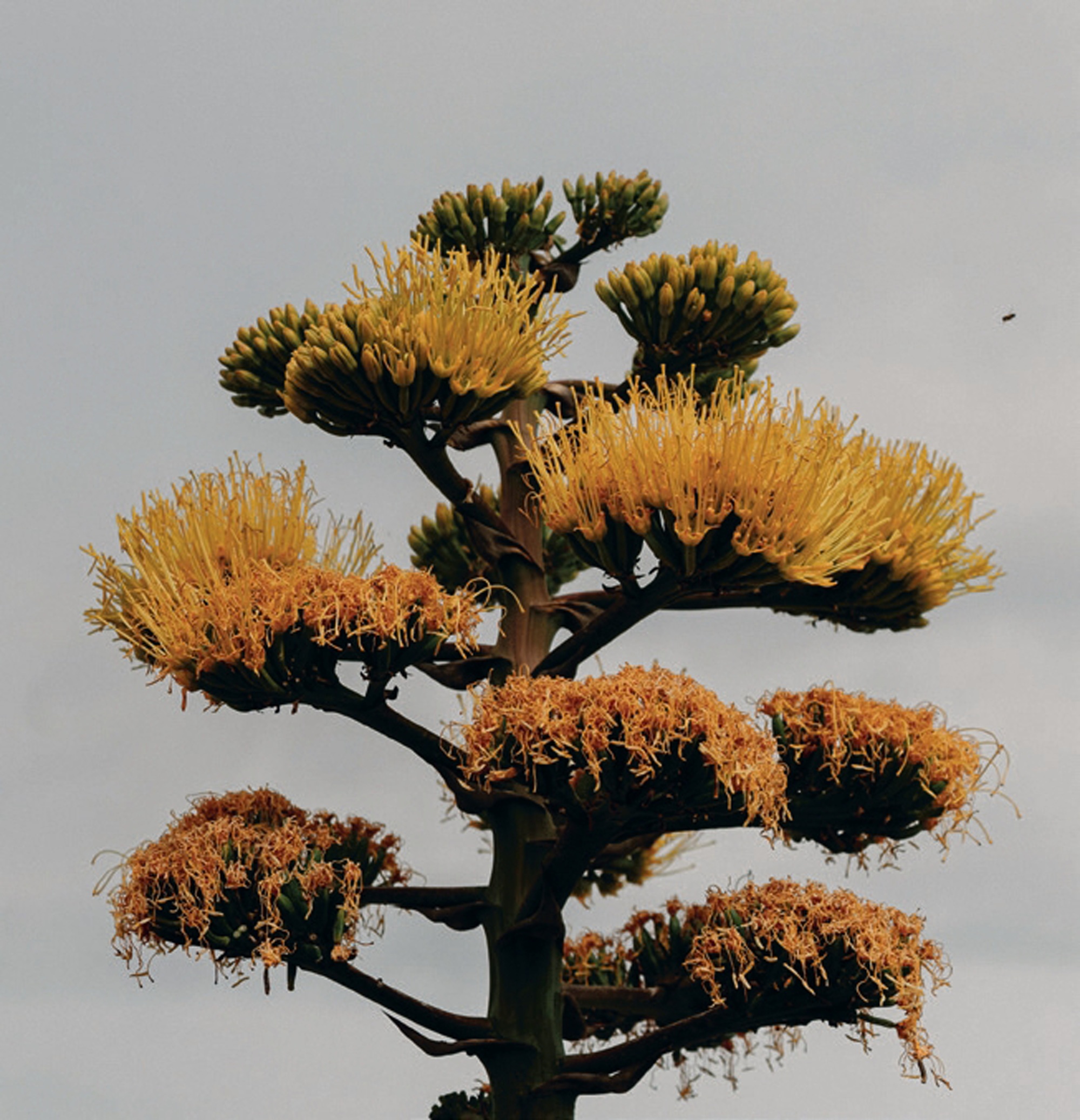
We sip our magic potions little by little. Before us lies a landscape we have never crossed before. Fields of cacti welcome us, immense silhouettes around which vultures circle. They perch on these giant plants like black sentinels, watching us relentlessly.
The hours pass slowly when we are stationary. Suddenly, we notice that the vultures are beginning to fly above our heads. On the lookout for the slightest misstep, these scavengers seem ready to pounce on us at the slightest opportunity. So we remain on our guard. Just then, the sun begins its slow descent. We glance at our watches: barely 3:30pm At 4:30pm, as planned, the horizon swallows the last glimmer of daylight. Before 5pm, the stars are twinkling in the dark sky. The vultures have left their surveillance posts; our water bottles are empty: it’s time to go to sleep.
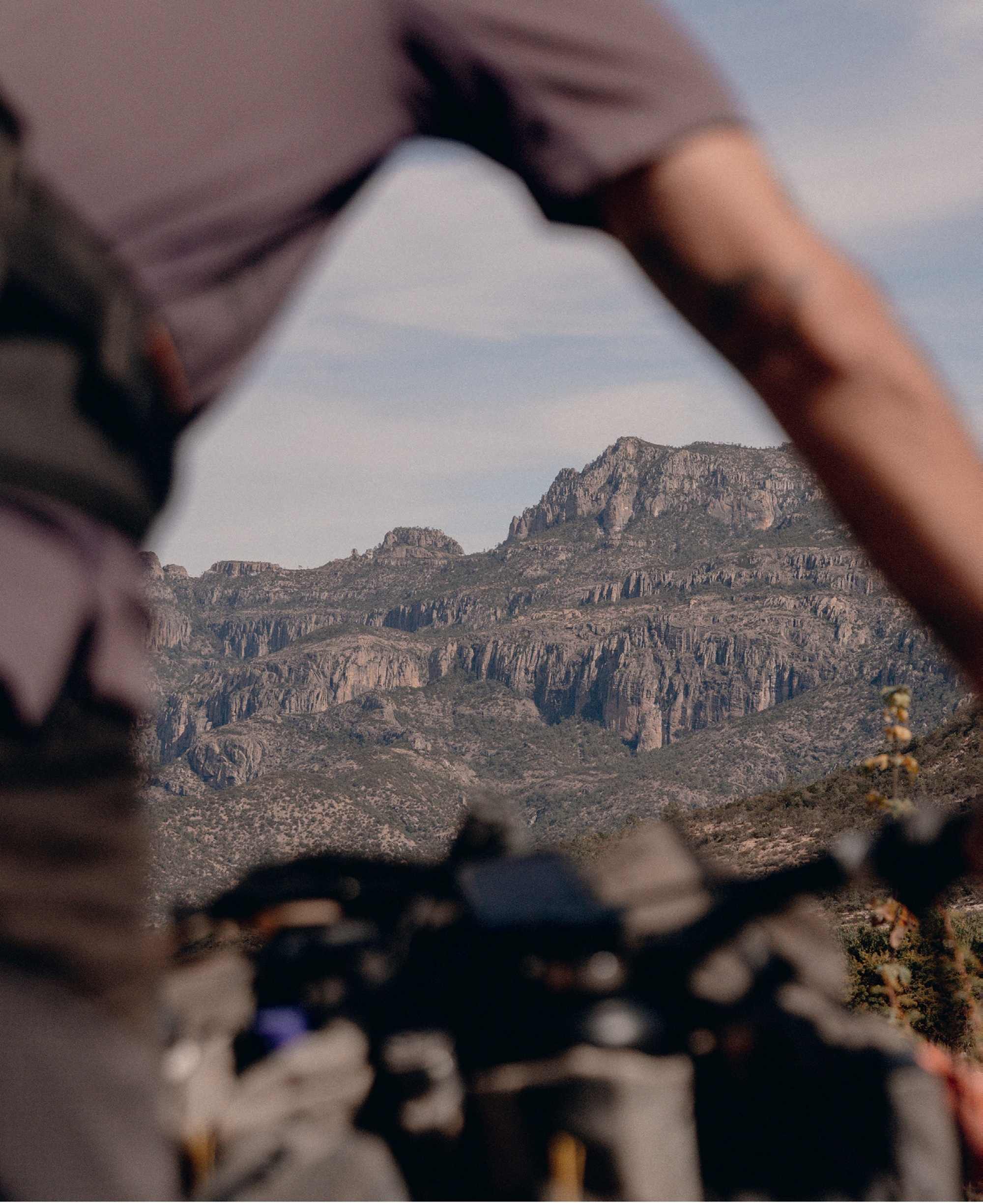
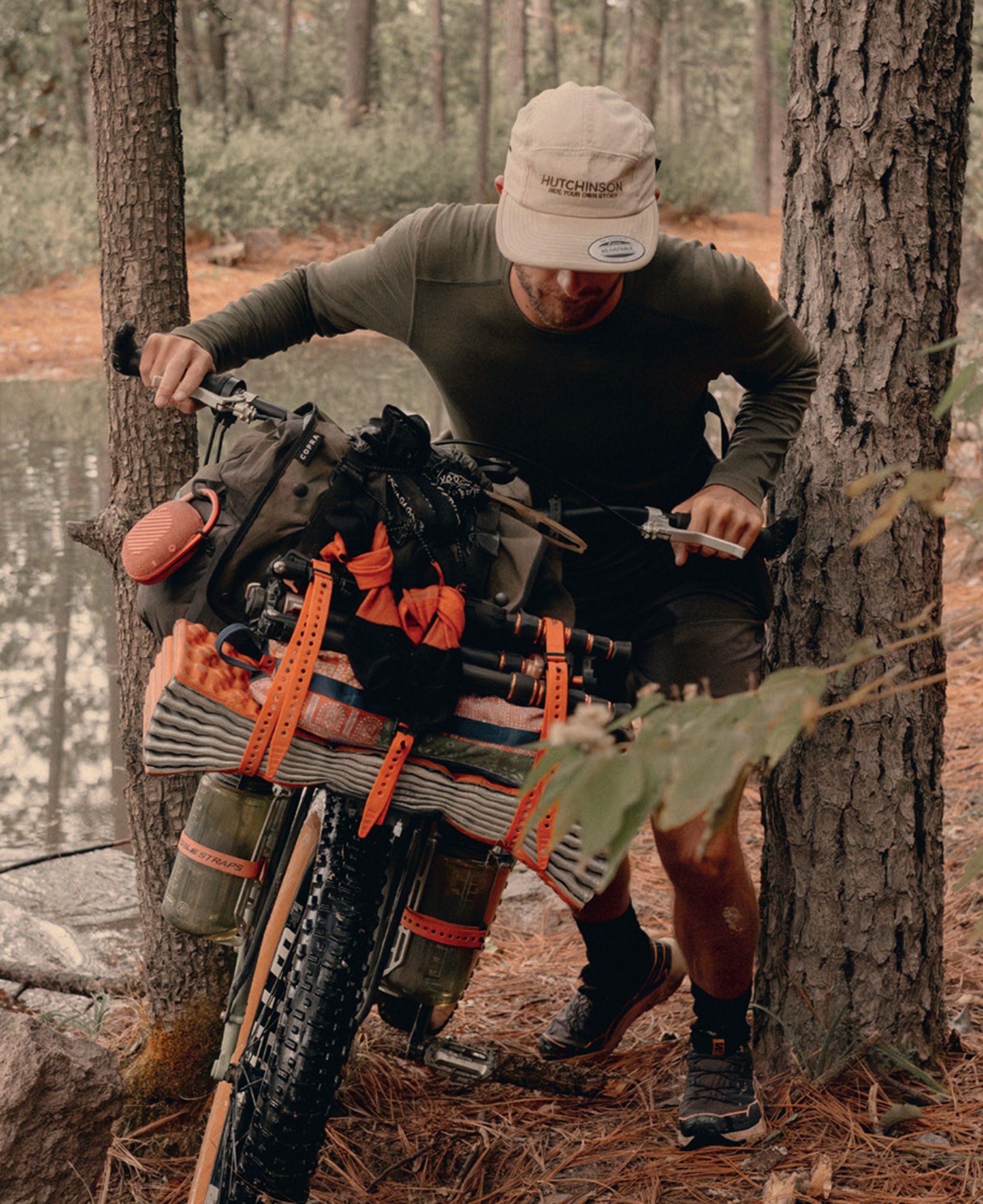
Baja California shook us up in every way. We had to push our bikes, and sometimes even carry them. Bikes loaded for a three-year journey: nearly 50 kilos of gear and equipment each, carefully distributed in our panniers.
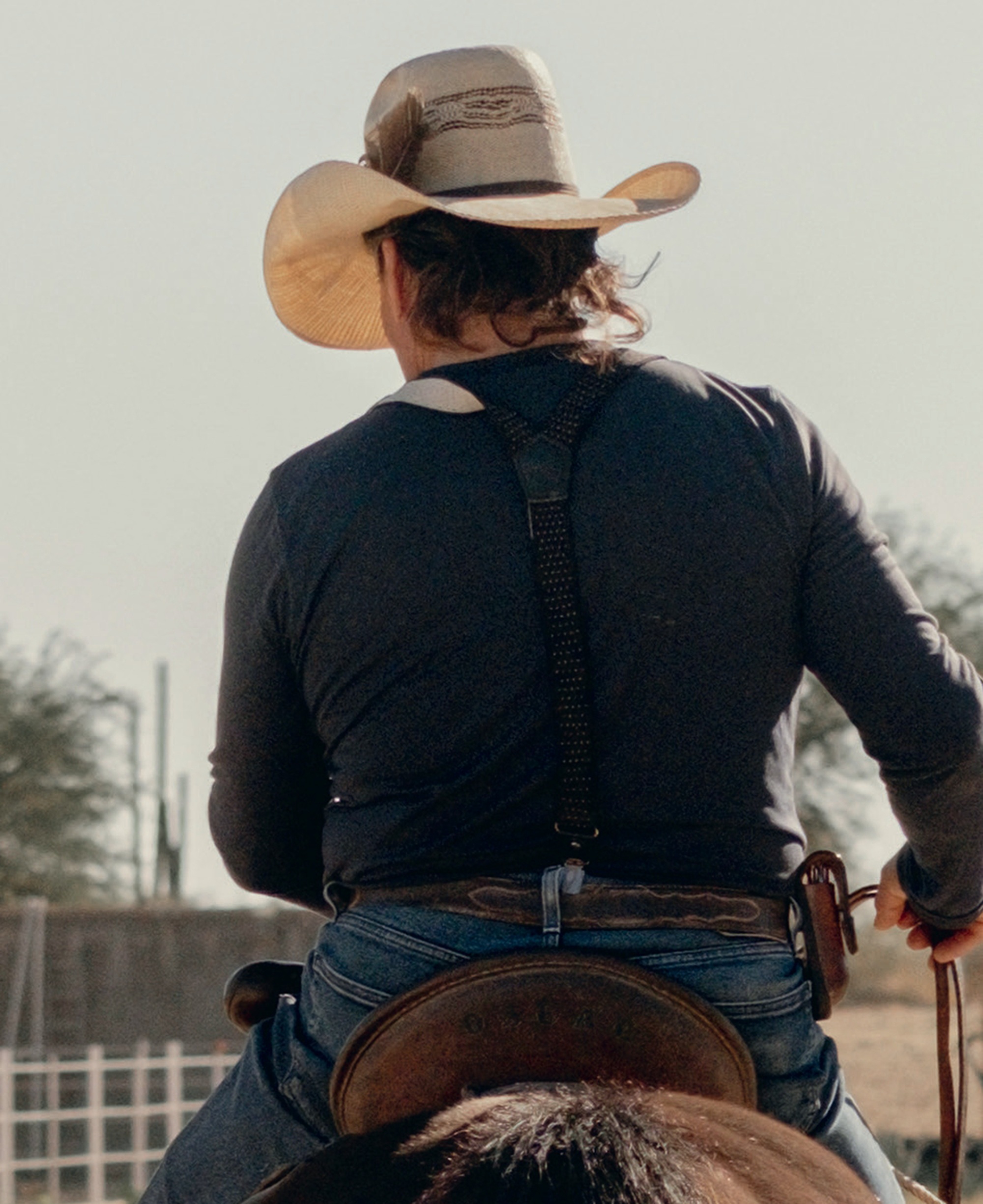
In these extreme conditions, we chose to trust the inhabitants of the peninsula. And we were not disappointed. In this land, where almost nothing grows due to drought, where animal carcasses line the scorching roads, we always found a warm welcome and help.
These men and women live with the bare necessities. Yet, against all odds, they seem happy and fulfilled in this simple life. They do not hesitate to lend us a hand, to give us shelter, to share their meals, and to introduce us to their culinary culture to make our journey more enjoyable.
As we write these lines, we think of Omar and his wife Teresa. They live in an isolated fishing hamlet, consisting only of their house and that of their only neighbor. They are the only inhabitants between Cataviña and Santa Rosalita, a section of the Baja Divide that is feared by cyclists: 200 kilometres without any possibility of resupplying, with only the ocean and endless climbs leading to the small coastal town of Santa Rosalita on the horizon.
We had to stop at this family’s house because one of our traveling companions fell ill. Too weak to continue, we took a 24-hour break at their home. Omar then offered to take Julien out to sea with him. It was a unique experience, deeply rooted in the tradition of the peninsula. For eight hours, the two men left the hamlet behind to find the serenity of the open sea, but with a knot in their stomachs: would the fishing be good this time? Omar and Teresa don’t live here all year round.
The storms during the rainy season make the coast too dangerous. But when they settle in this isolated corner, their whole life revolves around fishing, from morning till night. Selling their precious catch allows them to survive the rest of the year. The stakes are high.
Despite this palpable tension, the days are peaceful. We play dominoes and watch the horizon, trying to spot the lanchas (local boats). If we see seagulls above the boats, we imagine the hold filled with fish.
At nightfall, the boats finally appeared offshore, gliding slowly toward the coast. Teresa and I were reunited with our other halves. Together, we prepared dinner and celebrated a successful day of fishing. On the menu: incomparably fresh, tender, and flavorful lobster, enjoyed around the table in a silence filled with smiles.
It is for these kinds of encounters that we travel. These simple yet precious moments of sharing give us the impetus to move forward and the desire to tell the world how beautiful this place is.
The cuisine and flavors we discovered will also remain one of our favorite things about these two months of adventure. Meals are often simple, almost repetitive, as the peninsula lacks water and electricity, so the inhabitants make do with what they have around them.
Everywhere, handmade tortillas set the pace for the day. As we approached each taquería (small stands selling tacos), we could already hear the sharp clapping of the cooks’ hands as they tossed the corn dough from one palm to the other to flatten it before cooking. An ancestral gesture, repeated hundreds of times, filling the air with a sound as familiar as it is reassuring.
No gas is needed to cook them: they are placed directly on a wood-fired hotplate. The resulting flavor is incomparable. To garnish these corn cakes, we use whatever we have on hand: most often meat, and, on lucky days, freshly caught fish.
The Baja Divide will remain etched in our memories as one of the most challenging routes of our trip. It shook us up, tested us, but also amazed us. Each pedal stroke revealed a different facet of the peninsula: endless deserts dotted with giant cacti, sunsets swallowed too early by the horizon, warm tortillas shared in dusty taquerías, and sincere encounters with those who inhabit these arid lands.
As the miles passed, we learned to listen to this land, to respect its rhythm, to deal with its constraints. Baja showed us that traveling by bike isn’t just about moving forward, it’s also about accepting the slowing down; adapt and savor the moment.
From this stretch of desert between the ocean and the inland sea, we leave with more than just memories: a lesson in humility and the certainty that the road always holds treasures for those who dare to follow it.