Words Tom Southam
Images Paul Spurling
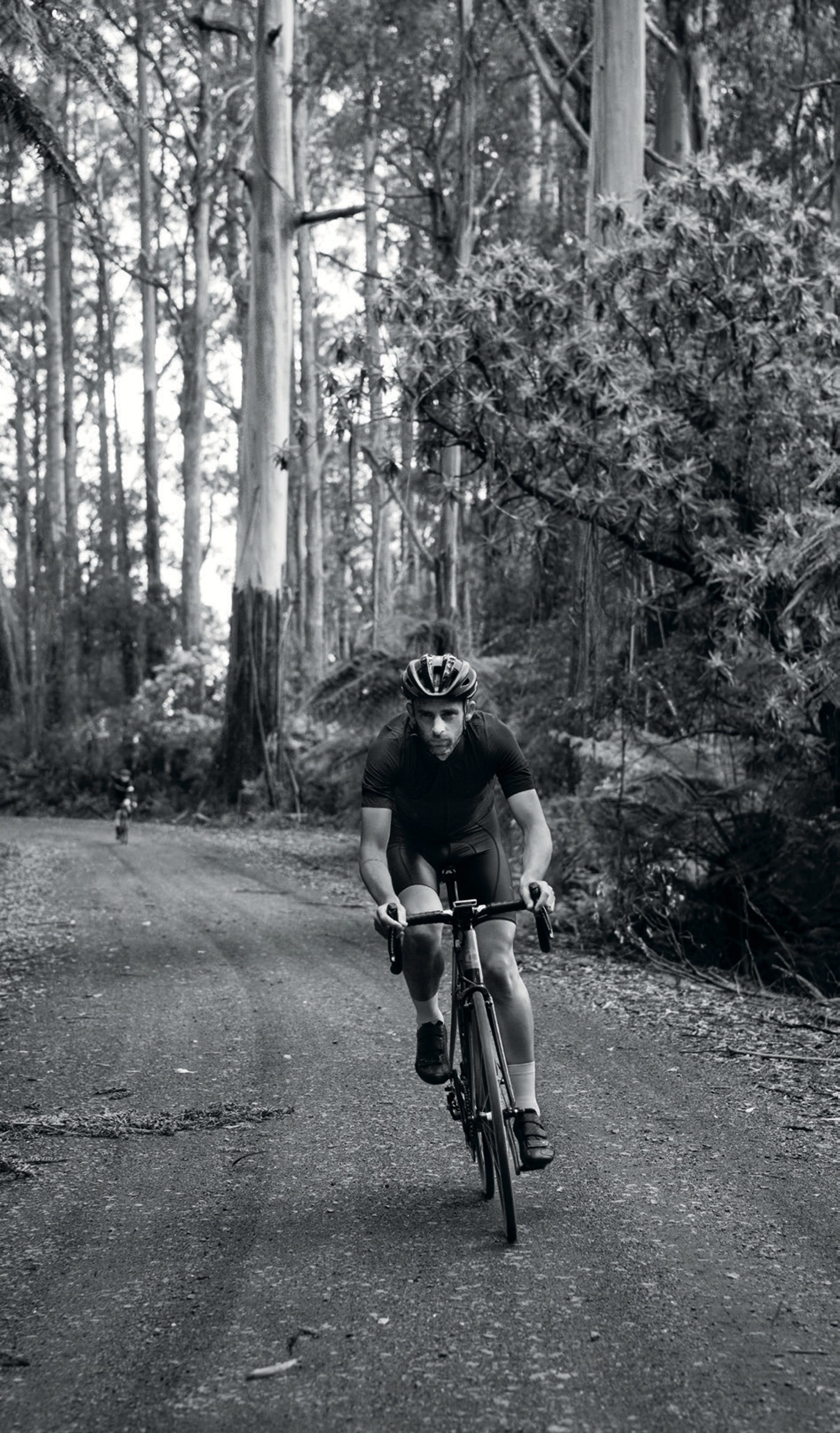
I have officially chucked my cycling style conventions in the bin. There was a time when I was, if not militant, then at least opinionated on matters such as sock height and colour; when I wrote blogs on the dos and don’ts for how a cycling cap should be worn. About glasses, about gloves or not, about tan lines, and so on.
When I was racing – or recently retired from racing – during that first exciting ascendence of Rapha, when it felt like something, there was an almost tribal obsession with these details.
How riders looked when they won or raced wasn’t just a little bit important – it honestly felt worth going slower for. I mean, we’d had skinsuits since the seventies, but no one – no one – was wearing one in a road race, because it looked… wrong.
It wasn’t that we didn’t want to win or go fast, but we were agonising over different details.
For a while it felt like there were floods of new cyclists flocking to the sport, following a few years of English-speaking Tour de France winners (yeah, that guy…), and we wanted something to hold on to, to prove perhaps that we’d been here a while, that we knew the codes and the language of the sport better than anyone.
At the time, there was also the sense that the people discovering the sport enjoyed the idea that they had a code to crack – not just a sport to discover, but a new culture and language they could work their way into.
Cycling was becoming more accessible than ever. There were more words written, more photos taken, more kit made, and more fetishism of the European racing culture that had happily been existing all this time.
I was commissioned to write about it – a lot. I kept leather-bound and gold-embossed notebooks with intricate details of how I’d taken care to wear my hat to the sign-in of Het Nieuwsblad, or memories of seeing Johan Museeuw winning Paris–Tours in a backwards cycling cap.
I was really into these things, and I really cared. Nothing out of place on the bike when I rode, and everything thought out based on the style I was going for.
At first, I carried these ideas into my role as sports director. I would chat and joke with the riders about who was wearing what, and why – repeating the old saying, you should never sacrifice style for speed.
And then one day, it all just went out of the window.
It started with the odd rider wearing outlandish things (like a skin suit in a road race) but as the generation I worked with changed, new riders arrived with completely different ideas. Young riders are no longer obsessed with the style of the sport, but the speed of the sport.
If I stopped Ben Healy on his way to the start of a stage and said, “Mate, that helmet is for a TT – you can’t wear that in a road race, it has a visor for fuck’s sake!” He would look at me as if I were an idiot: of course he’ll wear the helmet – it’s 20 watts faster.
And this attitude, in time, filters out to the wider world of cycling. If the codes and ideas don’t matter to the guys on TV, then why would we care? When I look at the same cycling brands’ websites, there is a huge shift away from the storytelling and sartorial tips and instead a focus on speed and saving watts. Riders have started appearing on a Saturday morning in skinsuits, and aero socks are pretty much mandatory.
But is it that style doesn’t matter anymore, or that the style has just changed? There is certainly a new devotion, a new code and language – but instead of how it looks, it is all about how it performs. Riders enviously eye the piping on sleeves or the bonding and seams on skinsuits. Most of the guys devote hours to finding hacks that will reduce the drag on the fixture of their shoes. Pog even made his bandages aero at the Tour…
It has become, in fact, almost an anti-style movement, where worrying about what you look like is an idea for old (slow) men who were pros “once upon a time,” and the kids want to respect someone who looks terrible but goes fast.
The problem that will be faced by the many fans, devotees, and practitioners of the sport – who are perhaps a little less in shape than your average Tour de France cyclist – is that a skinsuit on a 45-year-old on a ride averaging 30 kph is actually not all that effective at making you faster (you just aren’t moving quick enough), and it really doesn’t look that good.
Like I said, I try not to worry about it anymore. The relentless pursuit of speed is the defining coda of this generation of racers and that, I suppose, is stylish enough in its own way.