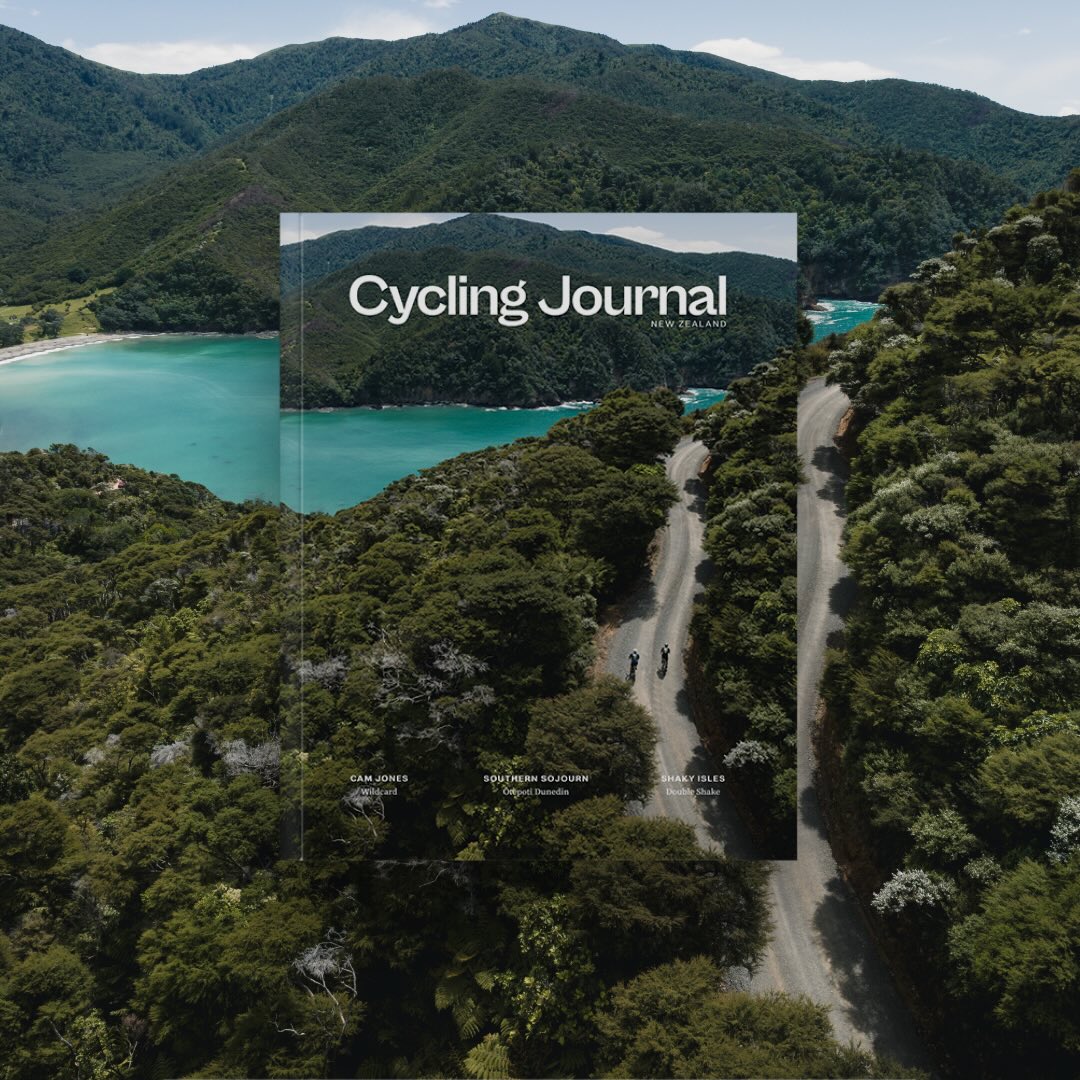
Words by Liam Friary
Images by Cameron MacKenzie
The bike is our tool, connecting us to land, community, and the act of travel itself.
For many, it’s not just a passion but a lifestyle, the lens through which we see the world and shape our journey. It determines where we stay, what we pack, how we move through a place. The bike demands a certain pace, one that allows you to notice things. The way light hits a hillside, the smell of the sea as you round a coastal corner, the gradient under your wheels telling you about the land’s geology, the bird chirping, the branches that crack in the wind. You feel the environment rather than simply passing through it. And, for the most part, some of the best experiences we’ve had exploring this planet have come from two wheels and the places they’ve taken us. The memories earned and shared with others, conversations struck up at cafés, the local who points out a better route, the sense of achievement that comes from covering distance under your own human power – these are the moments that stick.
When it comes to blending city culture with backcountry adventure, few places in Aotearoa New Zealand offer what Ōtepoti Dunedin does.
This southern city sits at the head of the Otago Harbour and has witnessed waves of settlement spanning centuries. Ōtākou Māori lived in harbour-side kaik (villages) for about 900 years, taking advantage of the strategic location and abundant seafood. Taiaroa Head was home to Pukekura, an important fortified pā that commanded the harbour entrance. The iwi of Waitaha, Kāti Māmoe, and Kāi Tahu settled this area long before Europeans arrived.
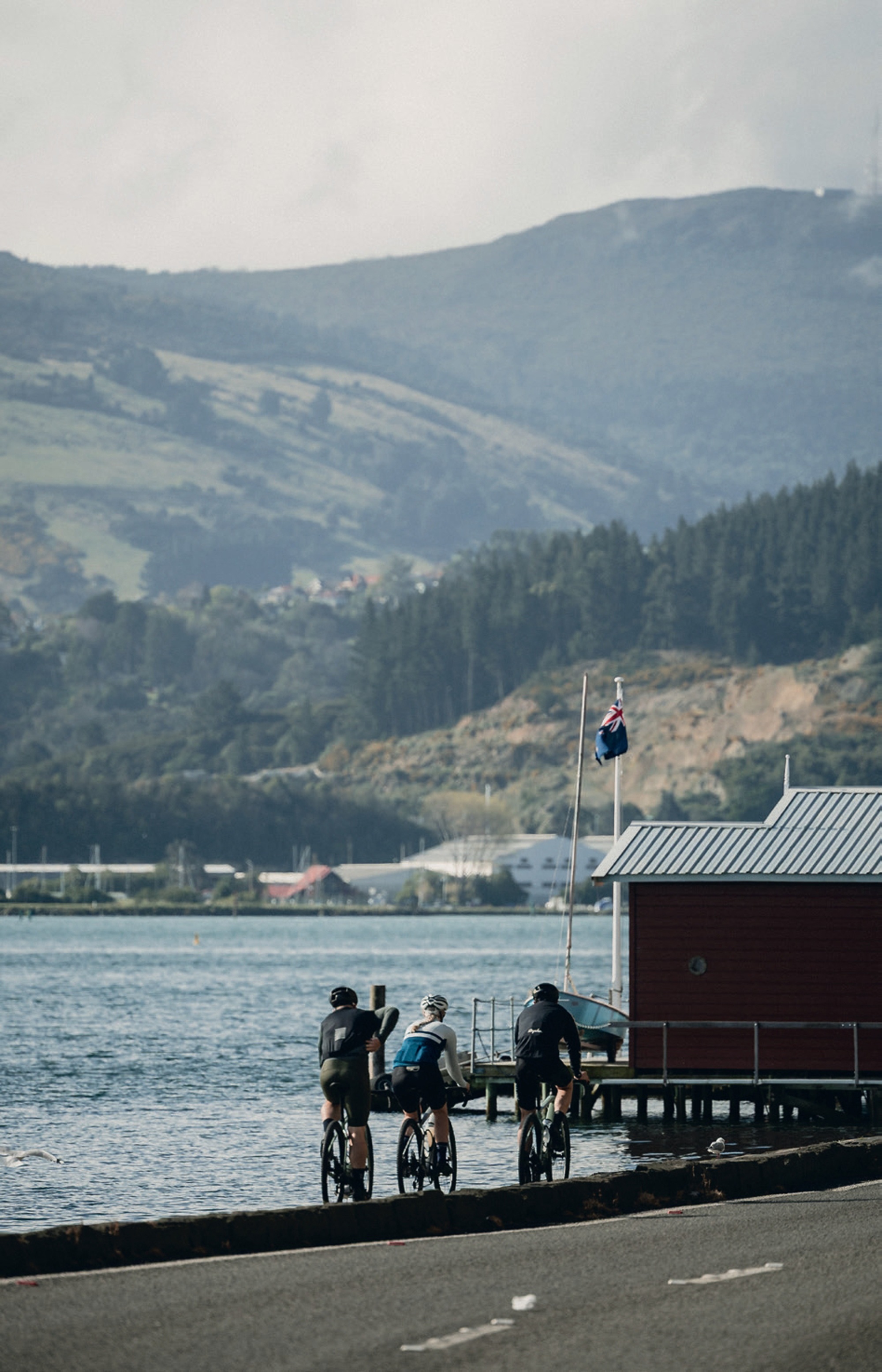

By the early 19th century, the first permanent European settlement began with the Weller Brothers’ whaling station at Otakou, in 1831. Later came Scottish settlers who arrived in 1848 aboard the John Wickliffe, carrying with them visions of a “New Edinburgh” in the South Pacific. The gold rush of the 1860s transformed Dunedin into the wealthiest city in New Zealand, funding the grand Victorian and Edwardian architecture that still defines the city centre. What remains is a city comfortable with itself, where Scottish heritage and student energy blend with southern hospitality.
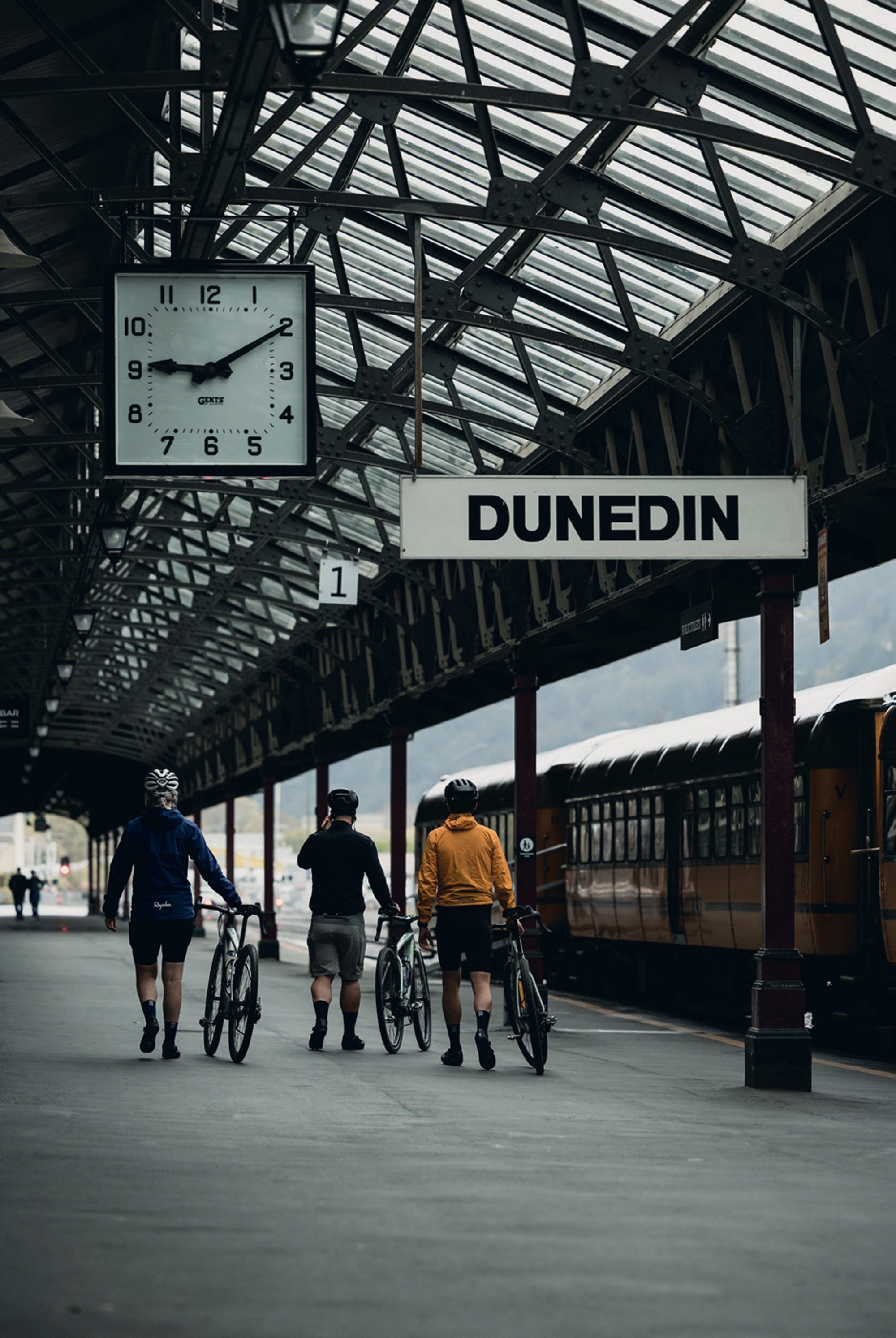
Dunedin’s cool buildings and culinary scene make it a destination in its own right. The railway station, with its ornate Flemish Renaissance architecture, stands out. The Octagon forms the heart of the city, surrounded by Victorian and Edwardian facades that speak to the region’s gold rush wealth. But it’s the understated nature of the place that draws you in, the southern hospitality that doesn’t announce itself, the brewery tucked down a side street, the small laneway café where locals convene.
Most of our riding trips involve bikepacking over multiple days. These often require constant movement: packing bags, checking out, finding new accommodation – and repeat. Which can be taxing but rewarding at the same time. This time around we wanted to establish a single base. One room. One hotel. Bags unpacked and left in place. This would allow us to absorb and immerse ourselves in the rhythms of a southern city for a few days. Using riding as the anchor whilst balancing it with excellent coffee, craft beer, historic architecture and the ease that comes from not living out of bikepacking bags.
After years of riding and bikepacking trips, I’ve learned that a pack-in day is worth the time if you can afford it. Arriving a day early, getting settled, unpacking and building your bike, scoping out routes and letting the body adjust before the cycling begins makes everything less frantic. It’s the difference between rushing and being present.
A ride experience like this is often better shared. Logan and Liv were keen to explore the southern city and after some dialogue about dates, routes and other logistics we committed to a few days based at Scenic Hotel, Dunedin. The three of us brought different riding styles and interests to the journey, which meant the pace would be relaxed enough to appreciate what we encountered, but still cover ground when the riding called for it.


Day One:Otago Peninsula
The morning brought heavy squalling rain that fell hard from the skies – the kind that makes you second-guess your plans. So, we did just that and changed our daily schedule.
Rather than rush out into uncertain weather, we opted for a slow start, coffee tasting at one of Dunedin’s excellent roasters, Vanguard, then a lunch at Beam Me Up Bagels. As we walked outside after lunch, we watched the clouds begin to break. The luxury of being based in one place is that you can let the weather clear without losing your accommodation or precious riding time.
A loop around The Otago Peninsula which has twice been named one of the top ten rides in the world by Lonely Planet, was on the cards for day one. This certainly wasn’t going to be an easy shakeout ride, as I had routed a few major climbs scattered throughout. But the variety of terrain and the ever-changing scenery would make the pedal worth it. And we needed to ride as the caffeine was making everyone a little fidgety.
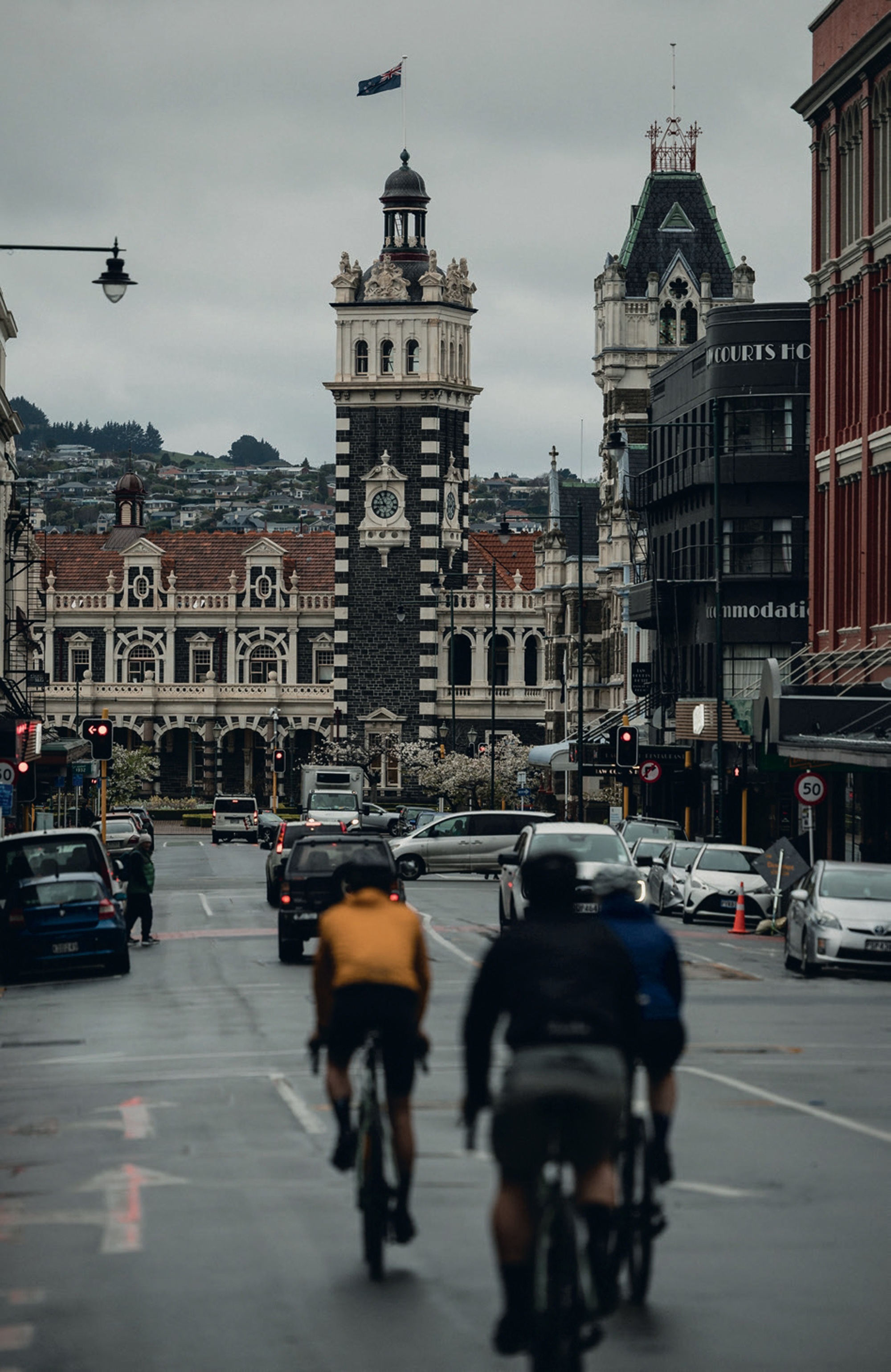
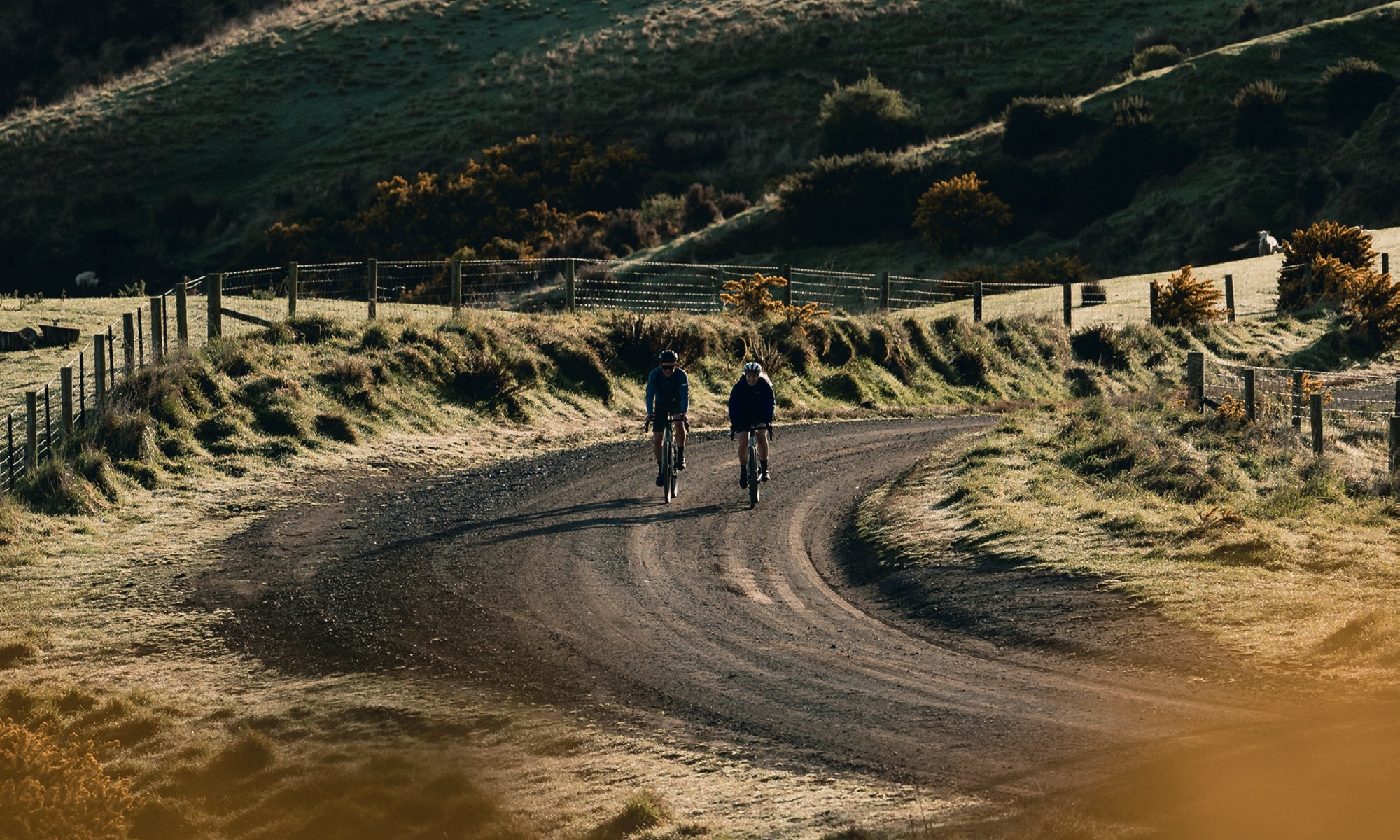
Te Aka Ōtākou, Ōtepoti Dunedin’s shared pathway which lines the scenic Otago Harbour, hugs the water’s edge before climbing up and over the harbour side of the Otago Peninsula to the ocean side. From this elevated perspective, the harbour was behind us, flanked by hill and coastal scenery that shifted with the light. As you crest the climb you leave the seaside shacks, cafes and bike paths in exchange for a far more remote feeling, almost instantly. The road immediately turns to a narrow gravel lane that hugs the coastal shoreline. Now you feel completely removed from the city despite being less than an hour’s ride from it.
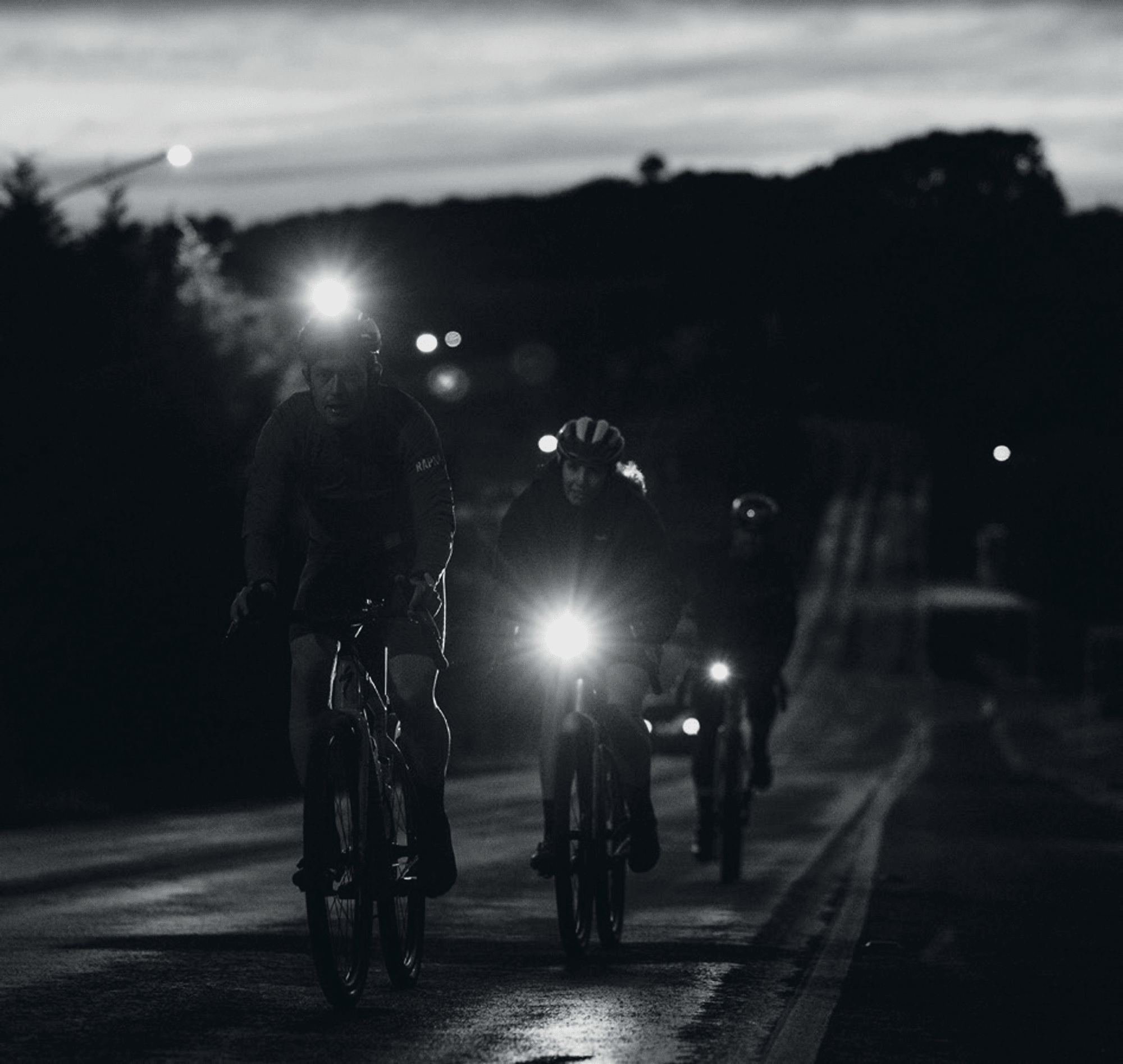
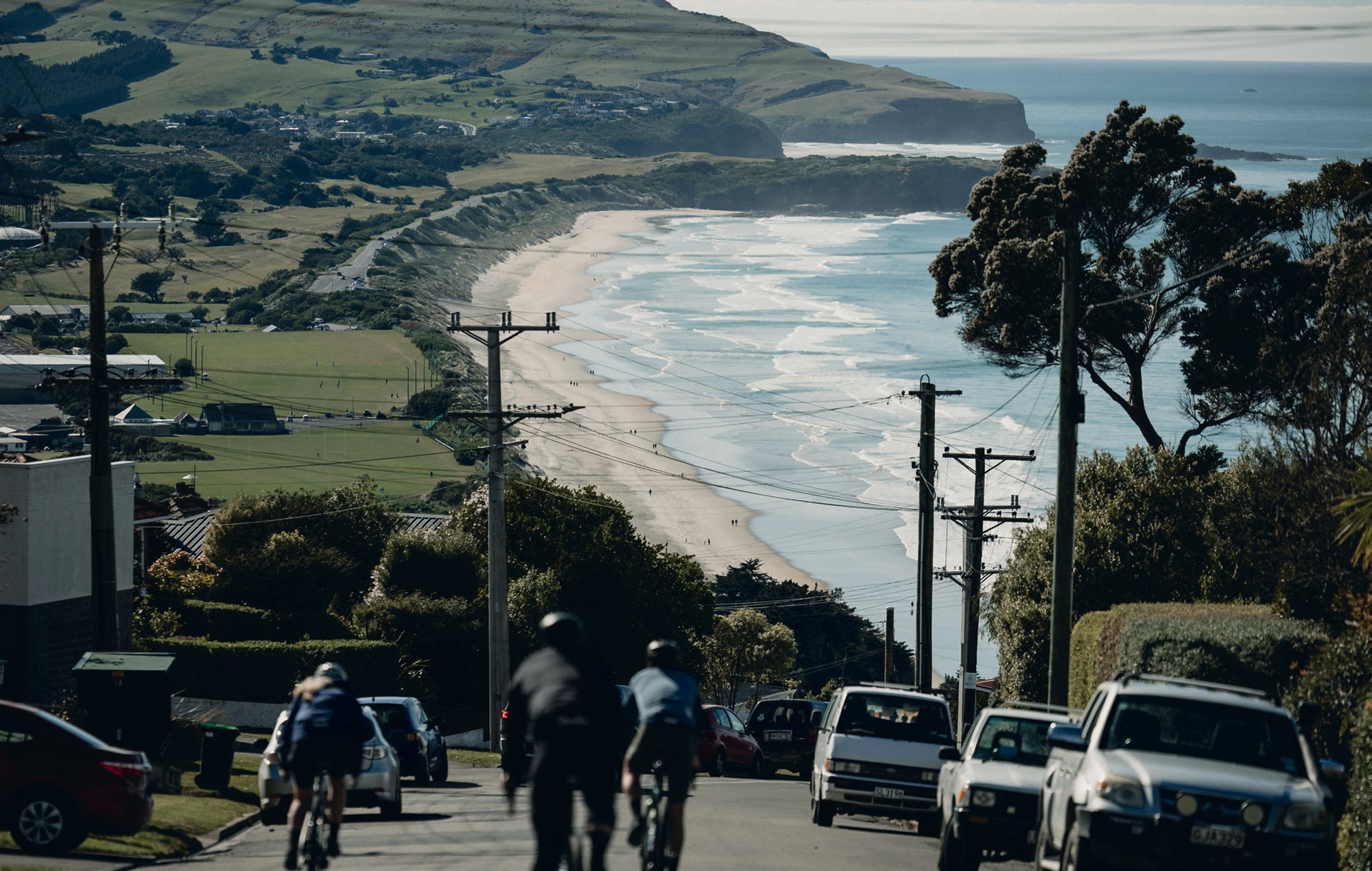
Gravel backroads that dance between hills and shorelines branch back onto long sealed climbs that eventually lead you from rolling farms into rugged coastlines, then back towards suburban housing on the fringe of the city. The light was fading by this point, so it was on with our lights and jackets. The city sprawl was now evident as we stopped at several traffic lights en route back to our digs. The contrast between city and backcountry was obvious as we pedalled back. Back at the hotel, we cleaned up before heading off to Emerson’s Brewery. Founded by Richard Emerson in 1992, the brewery has grown from a student flat operation to a Dunedin institution, producing up to 15,000 litres of premium craft beer five days a week. The large beer tasting platter arrived, and we savoured each beer, its flavour intensifying with every sip. The stories accompanying the beers added depth to the experience. The food was excellent, and we lingered over the remains of the tasting platter and some scrumptious dishes. Despite our tired legs, we were satisfied and content.
Day Two:Brighton and the Coastal Route
To make the most of our time in the southern city, we decided on a dawn ride followed by a long brunch at Esplanade in St Clair. This meant we’d be all done by midday, leaving the afternoon free for everyone to explore the city at their own leisure.
It’s all about the bike, but sometimes it’s nice to balance that with other things like vinyl crate digging, thrift shopping, checking out the historic city sights or simply wandering the streets.
Brighton is a small coastal settlement on the southern edge of Dunedin, about twenty kilometres southwest of the city centre. Using local knowledge, Strava heatmaps and mapping tools, we created an out-and-back loop that encompassed the coastal route and gravel backroads branching inland. Dunedin city has an extensive network of cycle paths that led us out of town to more rural roads, and soon we felt far from suburban sprawl.
The ride was a rather early affair with lights needed in order to capture the east coast sunrise, which would be a rare treat. As we neared the coast, the sky was painted in soft pinks. The route followed the coastal road before turning onto gravel that wound through forestry and farmland along ridgelines offering views both inland and out to sea. The everchanging scenery made for pleasurable riding. I always like the environment you take in whilst traveling at the slower pace the bike demands. The terrain was in good condition, most of it was champagne gravel – packed, smooth, with just enough texture to provide grip. On these backroads, the farm gates and sheep were our only company.
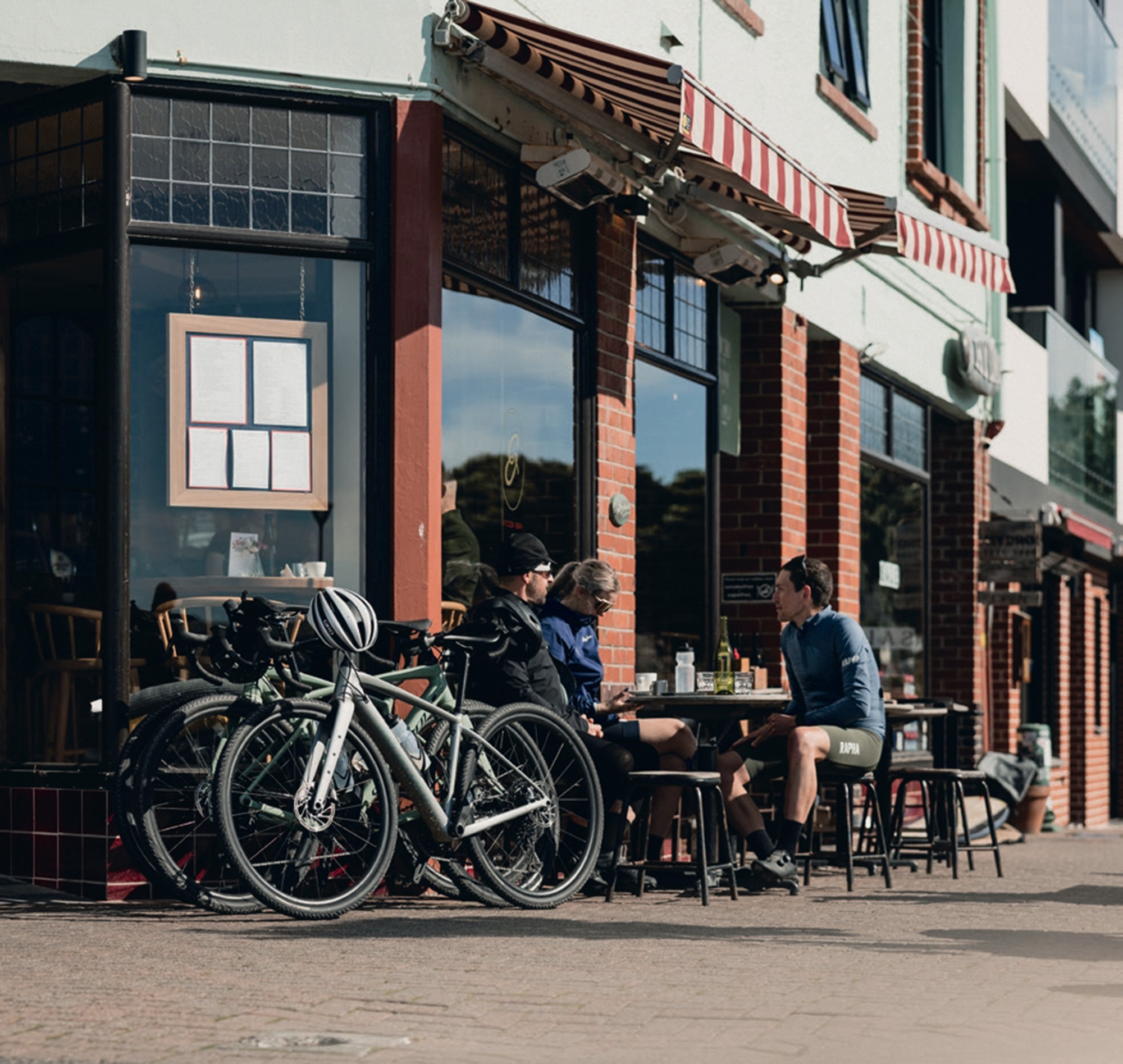
By the time we rolled back into St Clair, the cafés were buzzing, surfers were suiting up, and the sun was out albeit still chilly. This is the deep south, after all. The Esplanade Restaurant sits right on the waterfront, where you can watch the waves crash against the sea wall. Over great coffee and delicious food, we reflected on how much riding we’d packed into a few morning hours. For the rest of the day, there would be no packing or checking out – just the freedom to roam around the city. However, there was another stop yet to be made: Big Lizard, a bakery that serves awesome pastries and sandwiches, before we reached the hotel. Our stomachs were full, our legs depleted. The swift dawn coastal ride had certainly got our appetites going.
Day Three:The Train to Middlemarch
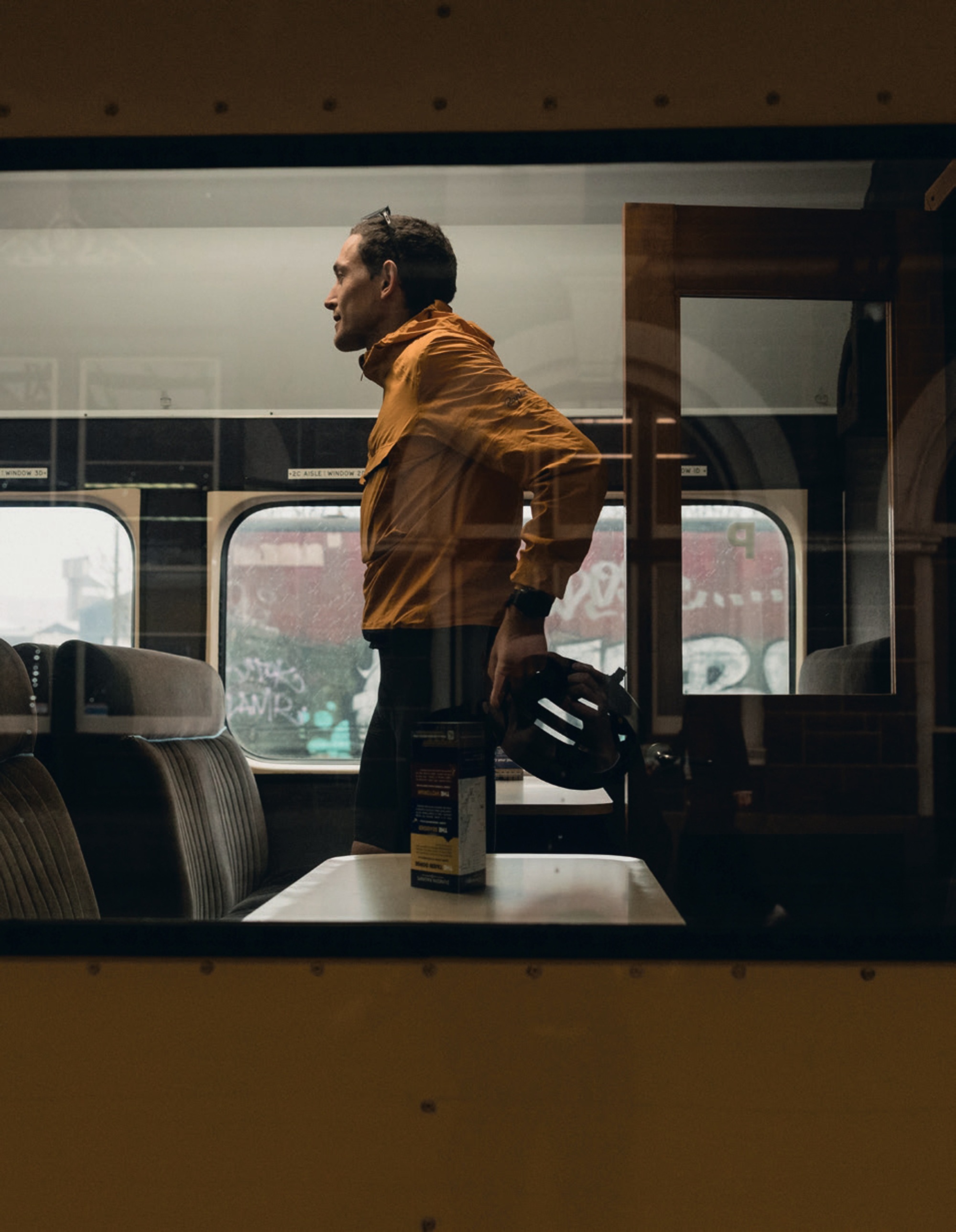
The bleak weather greeted me as I pulled the curtains back on our third morning. It certainly made for a moody cityscape as we boarded the train at Dunedin Railway Station.
Raindrops covered the windows as we took our seats in the old-fashioned train carriage. The Taieri Gorge Railway is one of this country’s great scenic journeys, winding through dramatic landscapes accessible only by rail.
As we departed the edges of the city, the countryside opened up, and pockets of blue sky started breaking through. The train conductor provided live annotation throughout the journey, sharing the rich history of these valleys – stories of gold rushes, railway pioneers, and the engineering marvels required to build this line. It also intersected our route back to Dunedin and, in parts, we could see the actual gravel tracks we’d be riding. The land was steep and severe, so we knew it’d be no joke getting back to the city. The journey wound through ten hand-carved tunnels and over twelve striking viaducts, including the Wingatui Viaduct, an engineering masterpiece which is 197 metres long and 47 metres high: the largest wrought iron structure in Aotearoa.
At Pukerangi station, which is essentially non- existent as an actual settlement, we departed into a squall of weather that blustered through with force. Snow lingered on the Rock and Pillar Range, black clouds hovering above as strong wind gusts threatened to knock us sideways. I think we all contemplated getting back on the train and returning to Dunedin. However, this was all part of the adventure we desired. Besides, the gust direction was a tailwind. The first call of business was ringing the station owner to ask permission to ride across his land – the call was short and brief; a quick “yeah”. There’s not much time for small talk when you’ve got a station to manage.

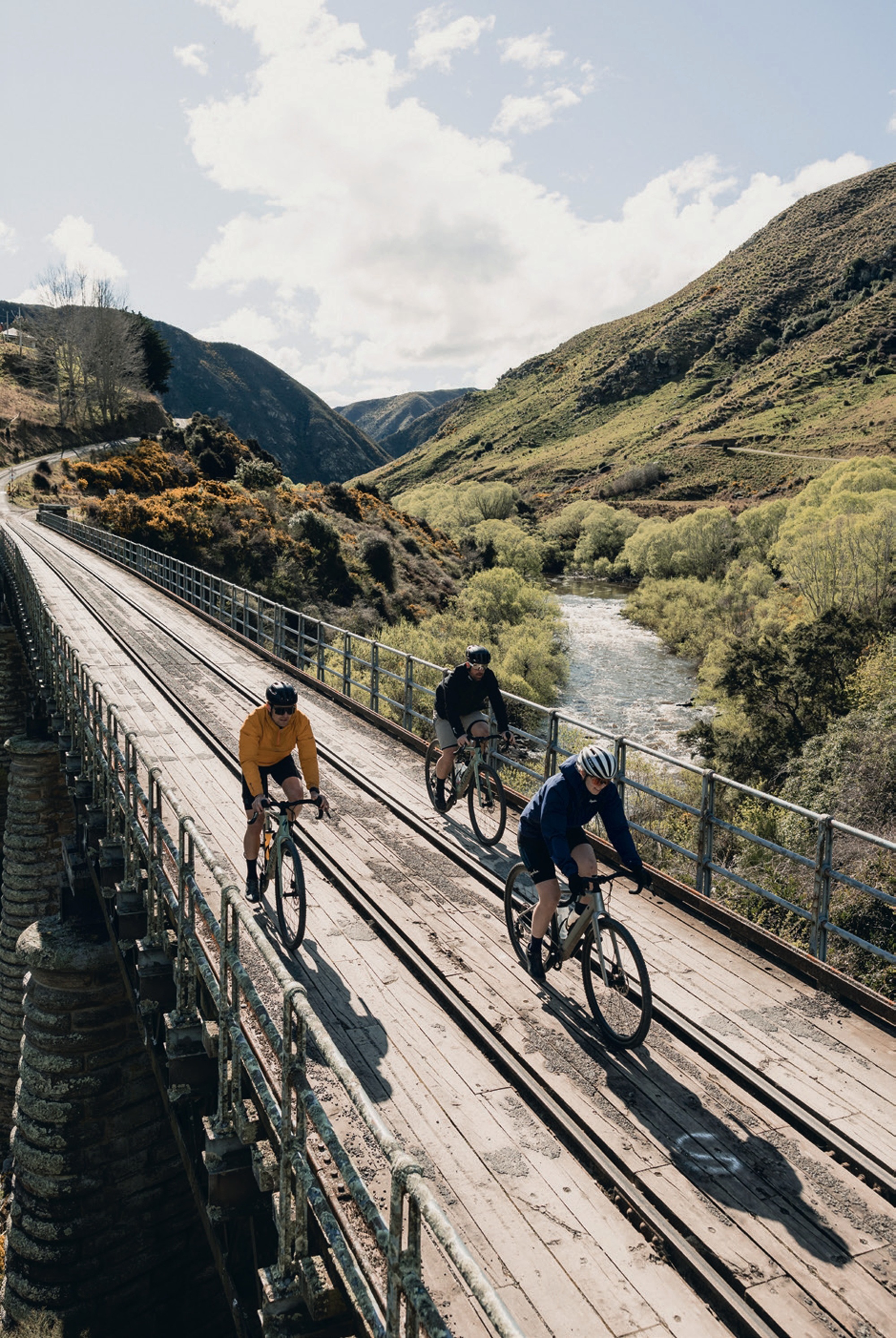
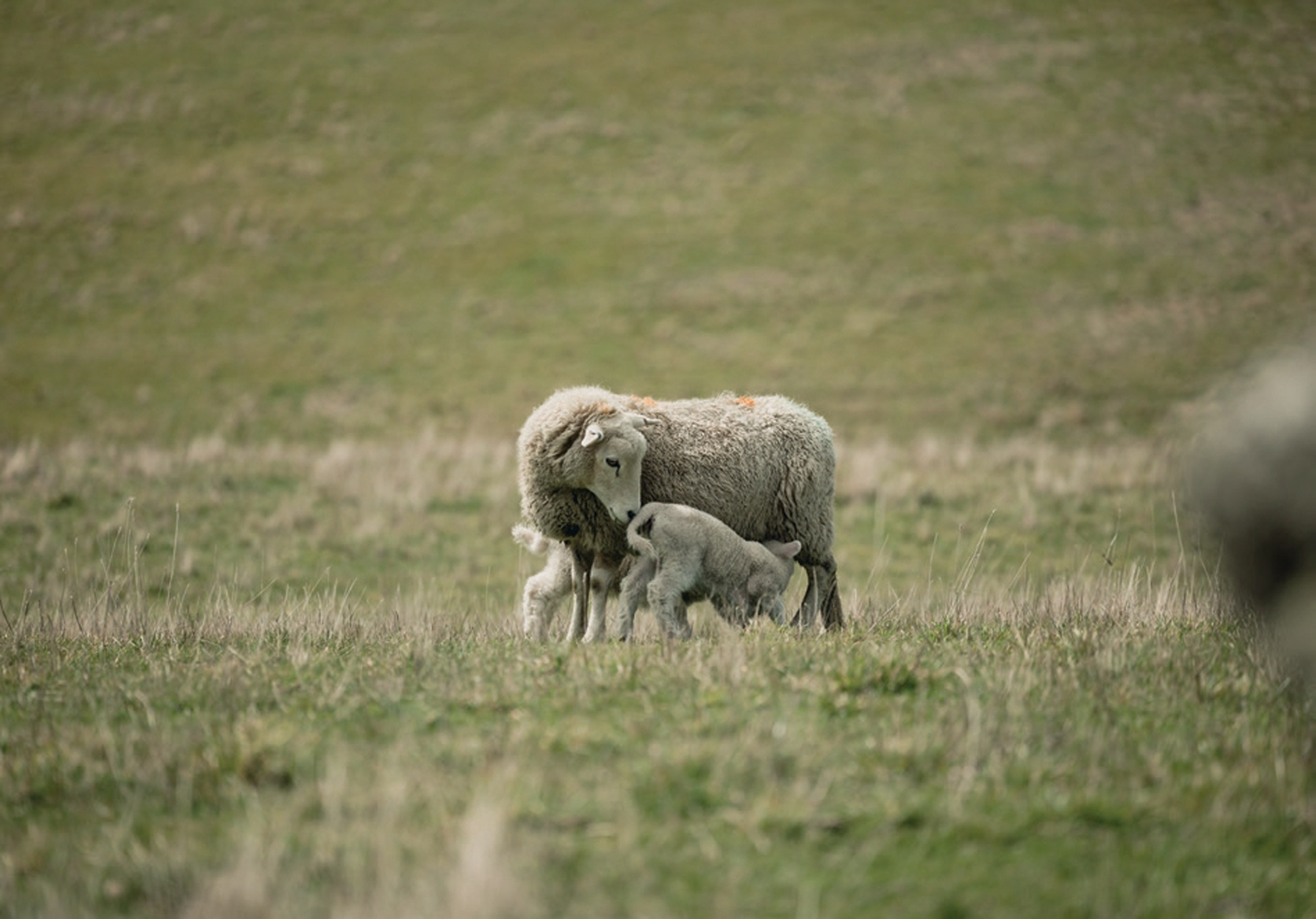
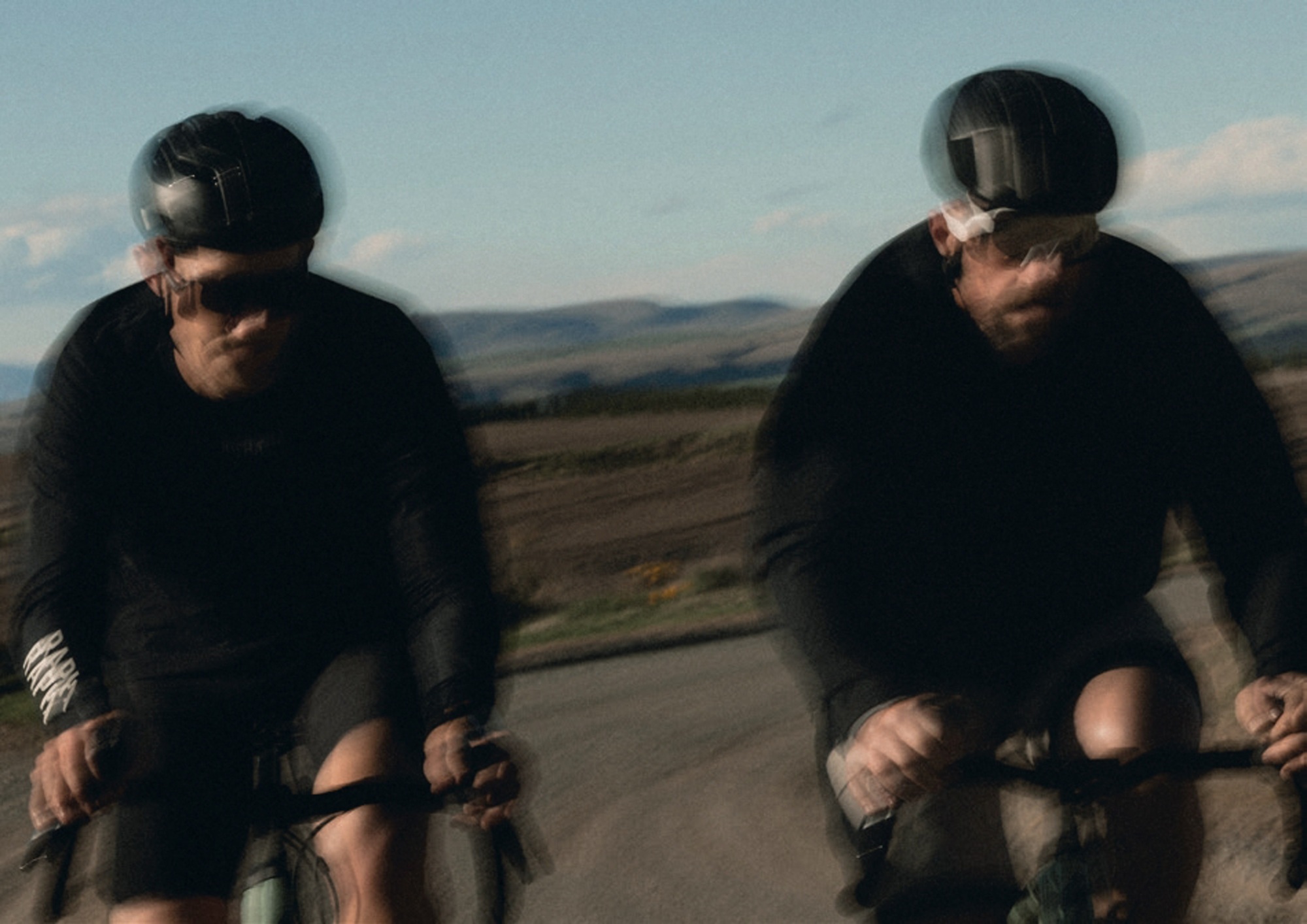
The gravel was good quality and the tailwind strong. The barren rocky landscape of the large plateau was dwarfed by the large mountain ranges behind us. Farm vehicles gave us waves as we ventured further into the station and then back onto public roads. This felt very far removed from Dunedin city, which we had only left a few hours ago.
The mapping software we used, such as RideWithGPS, combined with Google and topographic maps, led us back toward Dunedin across what we hoped would be passable terrain. We knew it would involve a significant amount of climbing toward the end of the ride, and perhaps some forestry or four-wheel-drive tracks. But, after crossing back over the train tracks at Hindon, the climb became horrendously steep. The station owner at the end of the road, literally, informed us the route wasn’t really passable. It was about 3pm at this stage.
We could see the track on the other side of the gully, and the station owner mentioned that many four-wheel-drive enthusiasts have taken their rigs over the cliff due to the sheer steepness and rugged terrain. Not to mention, once we got there we’d need to cross forestry blocks with locked gates before eventually getting out on the back side of the hills. So, after multiple checks of the various map apps on our phones, the plan shifted: ride back on ourselves for about ten kilometres, then make our way to Dunedin via actual roads rather than tracks. I suppose you don’t know until you try. This is the nature of discovering new routes when you’re off-road riding. Often you need to fail a few times before you get it right and connect roads but, essentially, it’s all part of the game.
The light was always going to be fighting us as daylight saving hadn’t kicked in yet, and the day would be even shorter as we’d departed the train around midday. The twilight hour was splendid as we crossed the high plains and dropped into valleys. But, by the time we reached the main road, light had almost faded, and we needed to switch on our front and rear lights.
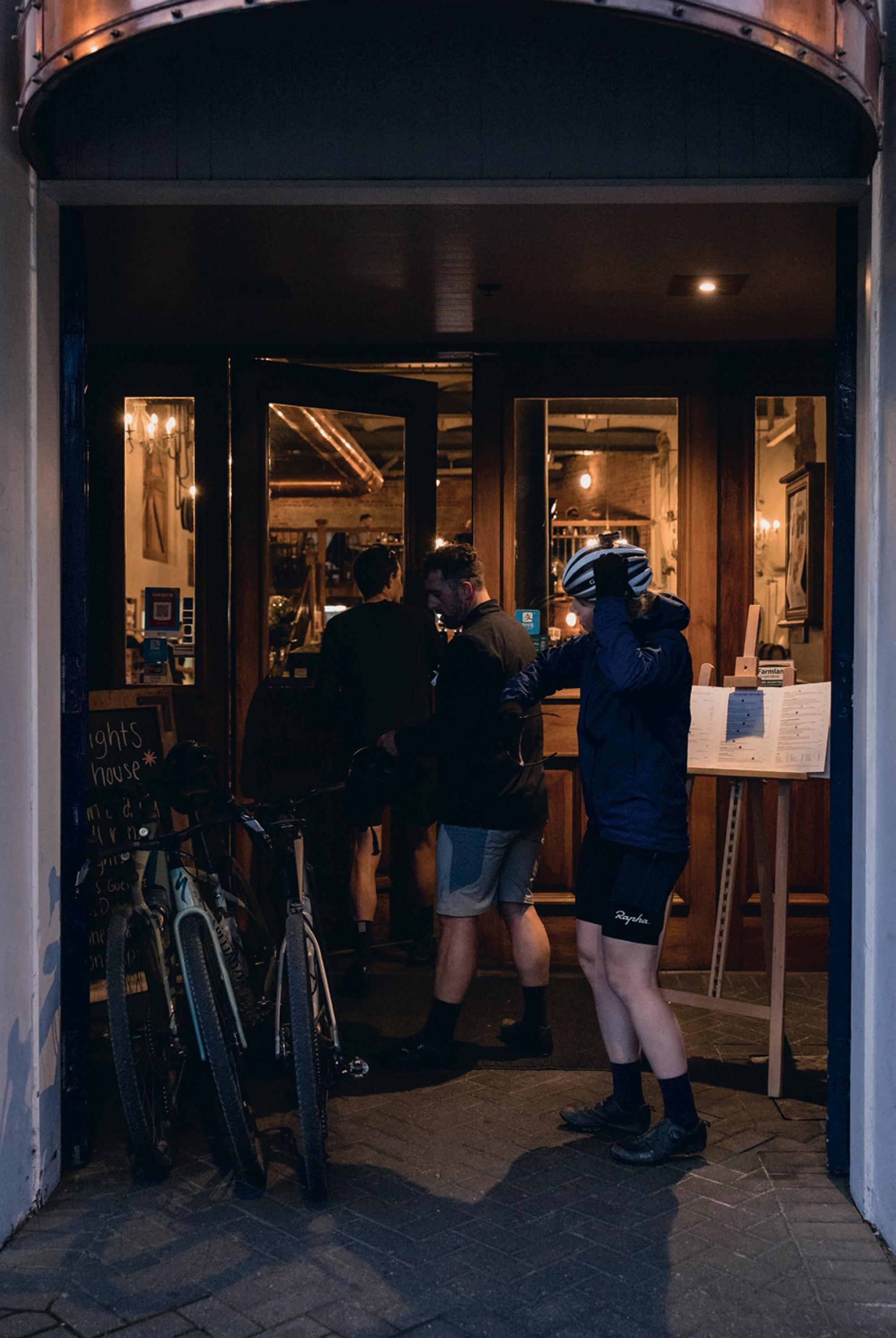
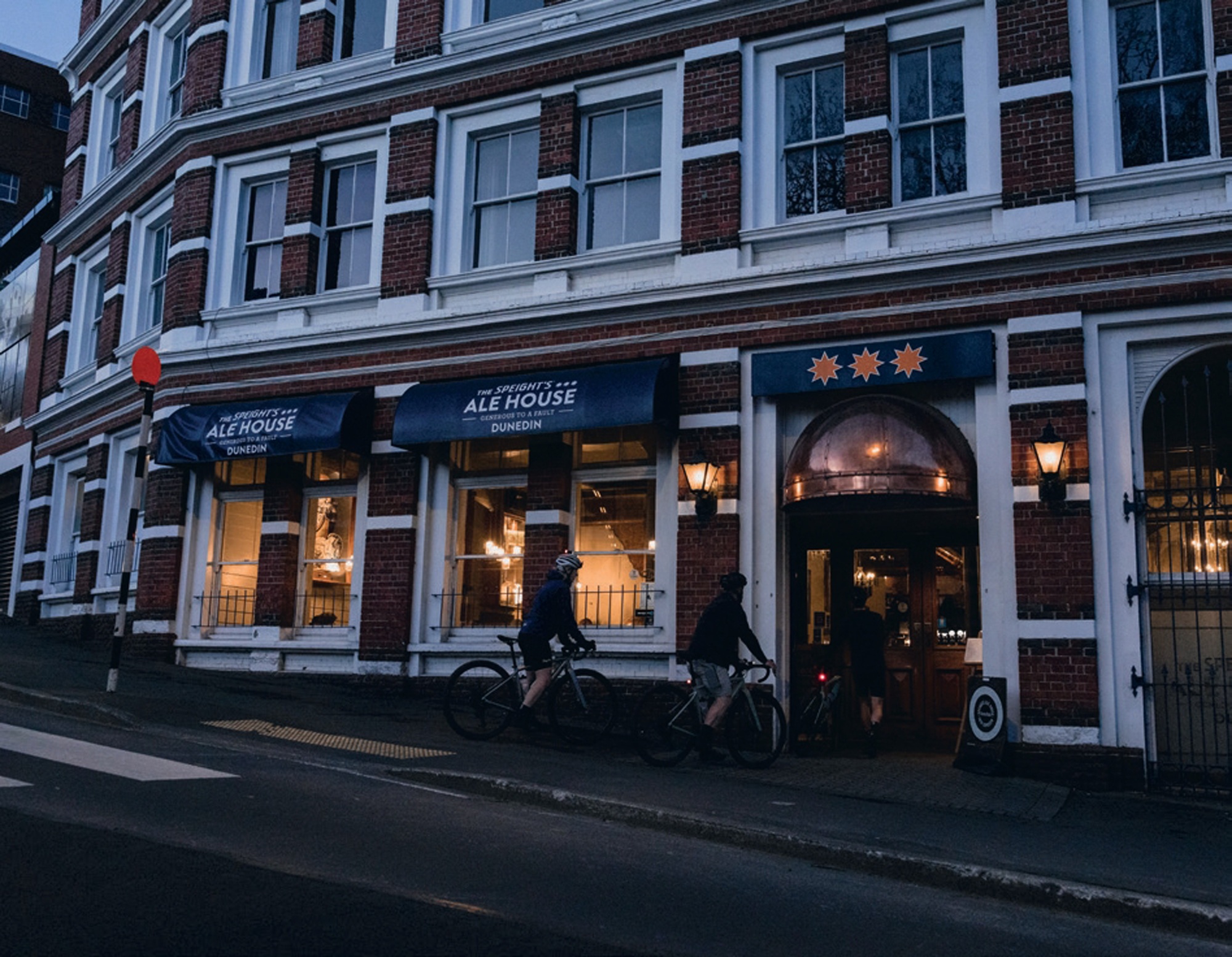
The hustle back was relentless until we reached the outskirts of Dunedin… which is a very hilly city. We needed to ascend one final long climb to reach the city sprawl, our legs were protesting, but we pushed through. The effort was worth it as we racked our bikes in the Speight’s Brewery doorway, ordered a round and sat depleted, waiting for food.
Speight’s has been brewing in Dunedin since 1876, positioned on a steep hill that allows it to be one of the only remaining gravity-fed breweries in the world. The building itself holds over 140 years of brewing history, with the earliest parts dating back to its inception. As we sat there, muscles spent and spirits high, the contrast of the day settled in – from the moody train departure to the wild plateau to this warm refuge amongst timber and heritage machinery. The beer tasted exactly as it should after a day like that.

The Southern City Advantage
The understated nature of Dunedin as a destination is part of its appeal. The hospitality doesn’t announce itself with flashy marketing, it instead leans towards more of a subtle approach. It’s a compact and easy city to get around by bike. The architecture deserves attention: Victorian and Edwardian buildings line the streets, many built during the gold rush era, and the city’s Scottish heritage is evident not just in the street names but in the character of the place – solid, enduring, unpretentious.
Being based in one location for the entire stay while still having epic one-day adventures shifts the entire dynamic of a bike trip. You’re not constantly repacking bags or figuring out logistics. You can leave things behind – extra clothes, books, or whatever you fancy. I like the fact you get to have a great on-bike experience with a superb off-bike experience as well. Blending gravel adventure with boujee hospitality. The local roaster becomes more of a one stop shop and perhaps you can visit that favourite restaurant more than once. Dunedin has an abundance of great eateries, so it was nice to work up an appetite to try a bunch of them.
The city offers a significant network of cycle paths, gravel roads and mountain bike tracks radiating in all directions. The Otago Harbour Cycleway runs flat and scenic and can connect up some good gravel roads, offering unique coastal perspectives. Venture north, south or further inland and there’s a plethora of off-gravel riding including some more known cycle trails, such as Otago Central Rail Trail and the Clutha Gold Trail. In the very near future the cycle trails will connect from Dunedin to Queenstown or vice versa. This will be a great addition to the southern region, opening up the whole area and making it especially good for A to B multi-day rides. The differing landscape – from coastal to bush and baron inland terrain – means you’re not looking at the same scenery whilst pedalling. If you’re into mountain biking, Signal Hill and Whare Flat provide great trails.
What makes gravel riding from Dunedin unique is this blend of offering the ability to ride into truly remote terrain, to experience that raw connection with the land that only comes from riding gravel through backcountry, then returning each evening to enjoy craft beer, excellent food, comfortable accommodation and everything you’d expect from a proper city. Believe me, from a riding perspective, you feel every pedal stroke, every hill, every gust of wind and change in this southern landscape. But by returning to base every evening you also get to shower properly, sleep in the same bed each night, and explore a city that rewards those who take the time to discover it.
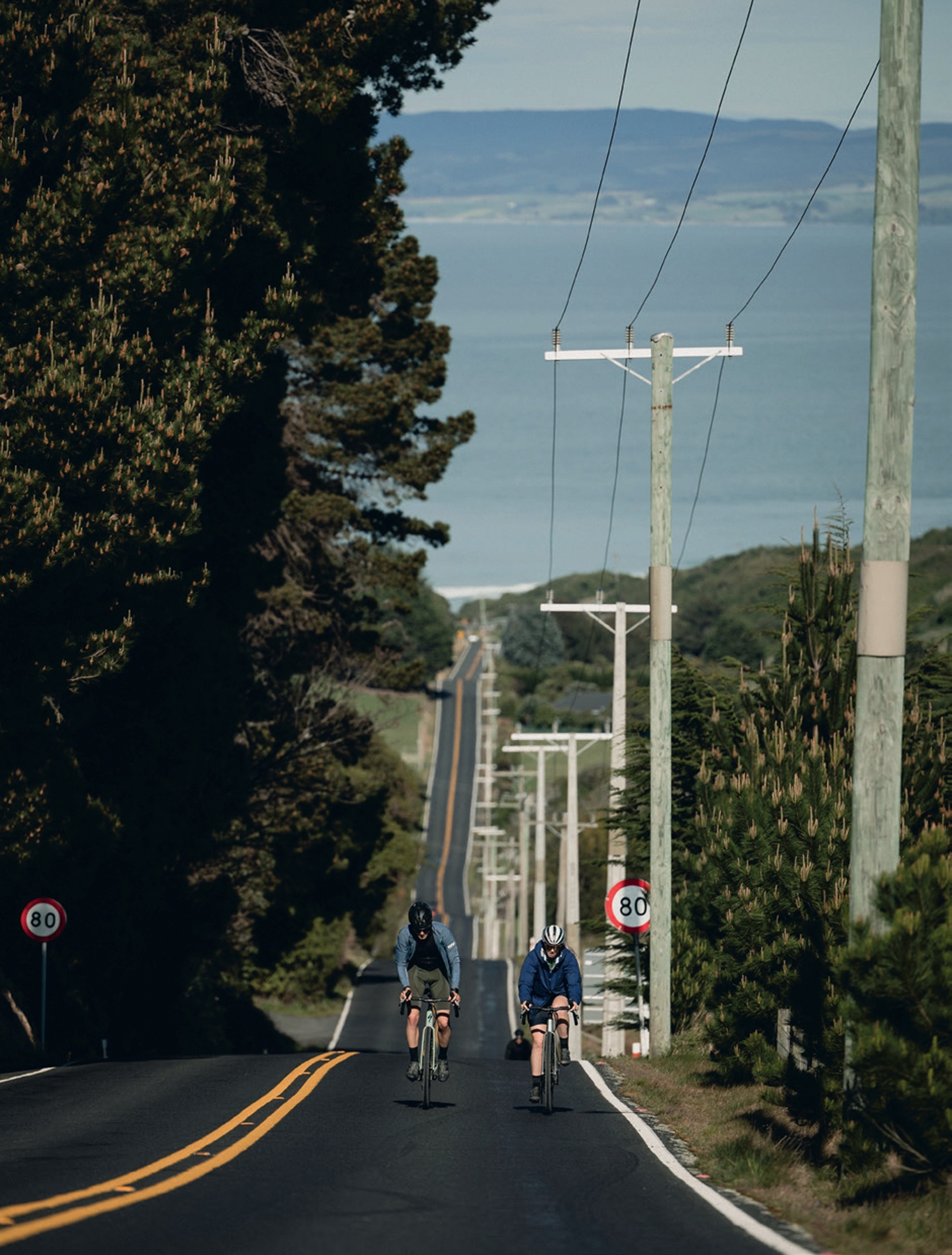
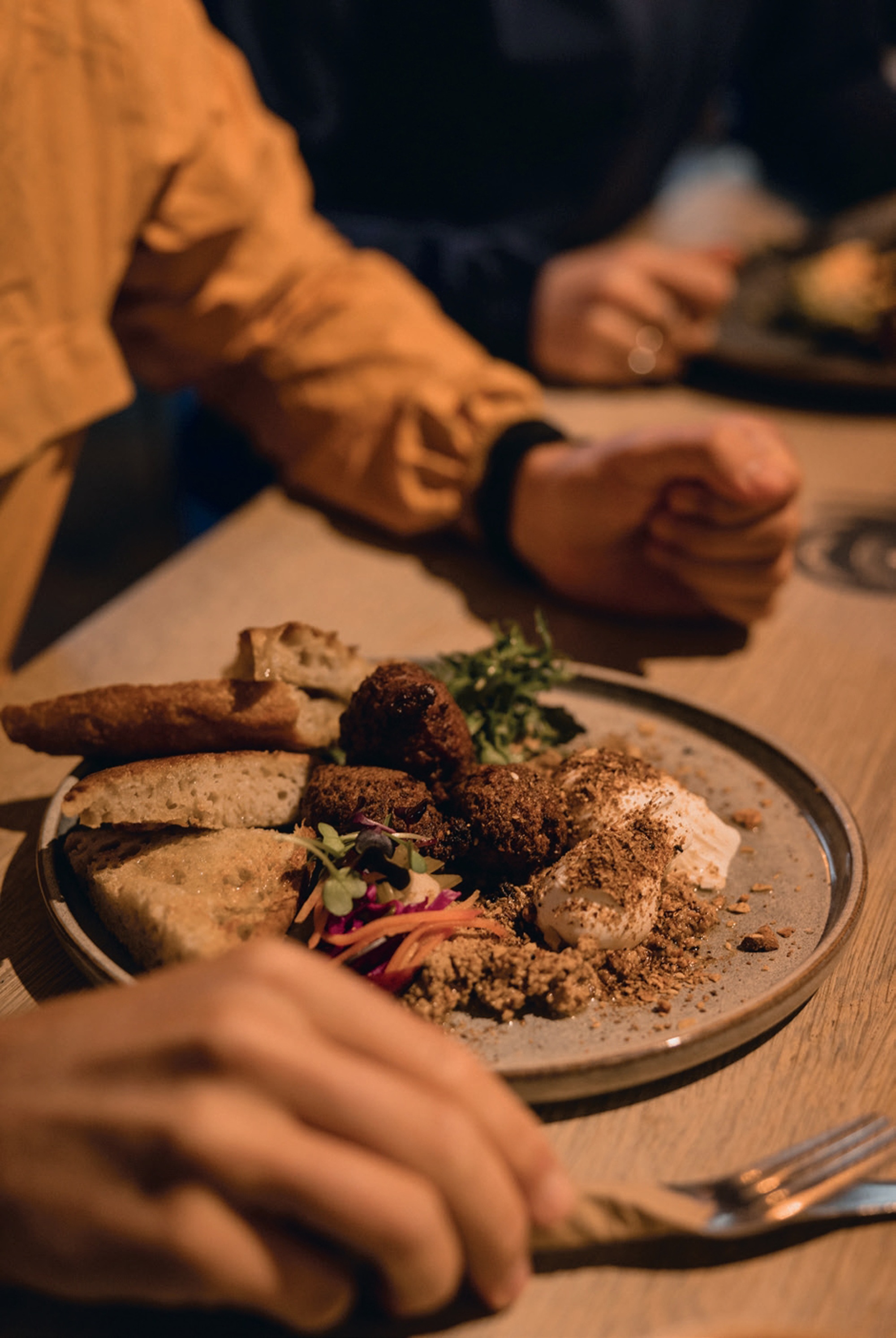
The expansive area we explored, the stories we collected – the failures and successes of route- finding – are now etched in memory. But so too are the quieter moments, like walking the city streets on the hunt for a morning coffee, evenings spent at a local eatery reflecting on the day’s ride, and the satisfaction of returning to a base that felt, however briefly, like home. Dunedin has cool charm which is unique in all the right ways – probably helped by the student population. The southern city isn’t just off the radar – it’s on a different frequency altogether.
This journey isn’t just about the physicality of travel – it’s about moving through a region with history and character, experiencing the balance between adventure and comfort, and finding that rare combination where the riding challenges you and the city welcomes you back. If you’re after gravel riding mixed with city culture, and southern hospitality that doesn’t need to shout from the rooftops to get attention, Dunedin should be on your list. Just give yourself enough time to discover what makes this southern city something special.
Stay
Scenic Hotel
Eat
Arc Brewery, Bakery on Bond, Beam Me Up Bagels, Big Lizard, Brighton Café, Catalyst, Emmersons, Esplanade, Maggie’s, Moons, Noble, Perc Café, Port Sider Pub, Roslyn Bread Technology, Sorella, Spelt Bakery, The Duck, Vanguard
Shop
Off the Chain Cycles (local intel), Shop on Carroll, Relics Music