

Words Liam Friary
Images Bjorn Patterson
RRP $5199
Distributor Pon Bike
The gravel market has matured significantly over the past five years, evolving into two distinct categories: bikes optimised for speed and racing, and bikes engineered specifically for long-distance adventure and bikepacking.
Focus’s Atlas series sits firmly in the latter camp. The Atlas 8.8, with its carbon construction, adventure-focused geometry, and extensive mounting infrastructure, represents Focus’s vision of what a capable bikepacking machine should be. But whilst this bike embraces a relaxed approach, it’s far from a slouch.
Often, bike platforms go through incremental refinement cycles, however, Focus took a rebuild approach with the latest iteration of the Atlas. Previous versions struggled with fit – reach and riding position never quite dialled in correctly. The handling felt sluggish, proportions seemed sacrificed to outdated design thinking, and the proprietary hub spacing created frustrating compatibility issues.
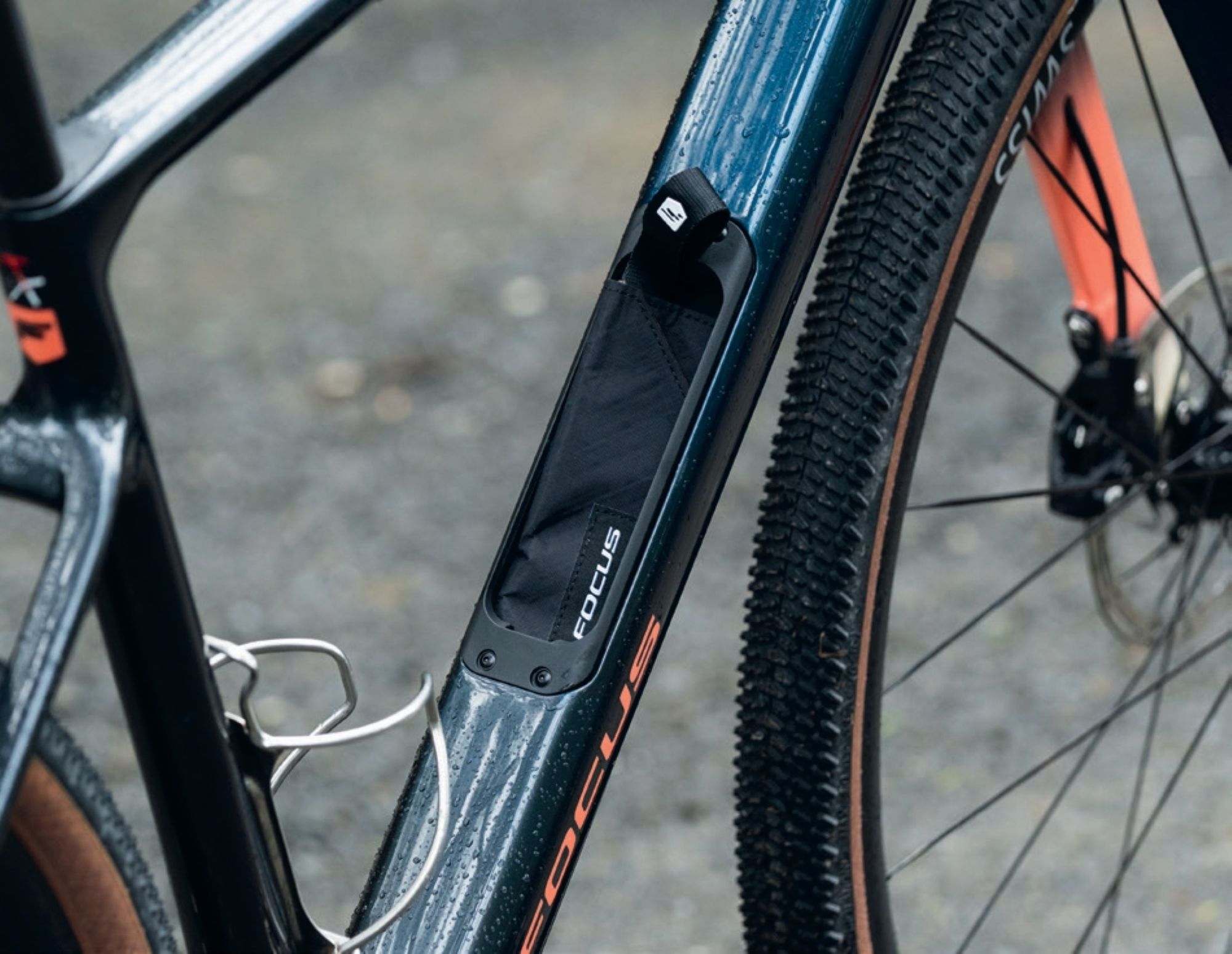
This generation represents a reset. Focus abandoned the complicated Boost standard, returning to conventional 142×12mm rear axle spacing. More significantly, they shortened the top tube by 17mm while maintaining reach consistency; this changes how the bike sits under you and addresses the previous generation complaints. Additional refinements include the handlebar width dropping from 440mm to 420mm and The Prep Pocket, an in-frame storage cavity accessed via lever mechanism. Rather than grafting storage onto the frame as an afterthought, Focus integrated it into the downtube structure. These adjustments represent thoughtful updates aimed at making the riding experience better.
Geometry, Frame and Construction
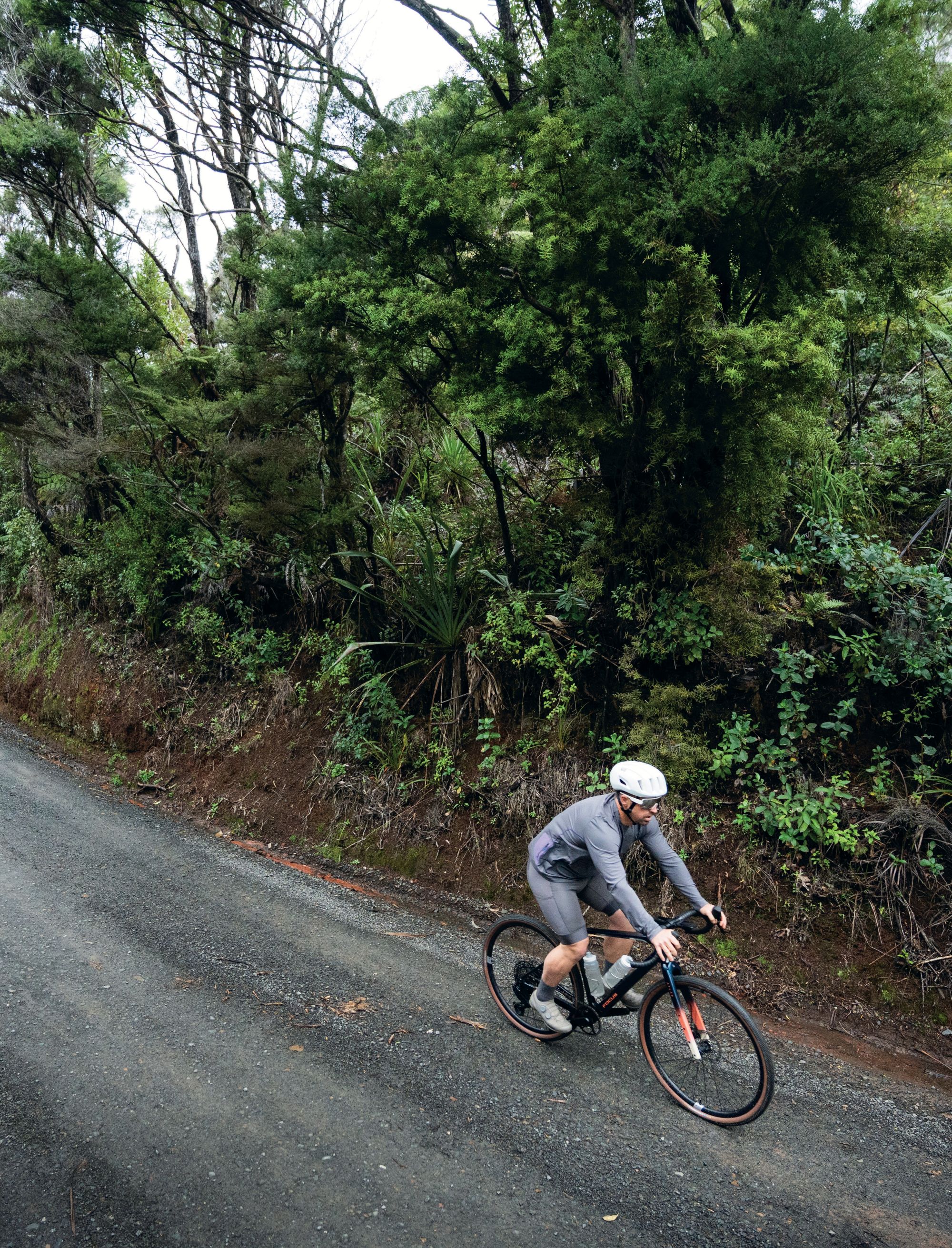
Sometimes changes can appear conservative on spreadsheets but, aggregated, they transform how a bike handles. In size medium, the reach measures 395mm with a stack of 576mm – notably upright. The head angle sits at 71° while the seat angle measures 73.5°. The 425mm chainstays pair with a 1041mm wheelbase, creating a composed platform rather than aggressive geometry. The 75mm bottom bracket drop, and 53mm fork offset, are conservative by modern standards, prioritising stability over playful agility. Ideal for arduous days across rough terrain especially when loaded; offering a planted and stable ride.
The stack height of 576mm benefits taller riders significantly by allowing straightforward bar positioning without requiring spacer stack rearrangement. Smaller riders may find the opposite problem. This geometry choice remains intentional – prioritising comfort and composure over aggressive positioning. This is what the new Focus Atlas keeps on harking back to.
The shorter top tube paired with identical stem length brings everything considerably closer. This subtle change produces disproportionate effects on control and confidence, particularly on technical terrain where hand position and steering input prove critical. These refinements shift how the bike handles and therefore rides.
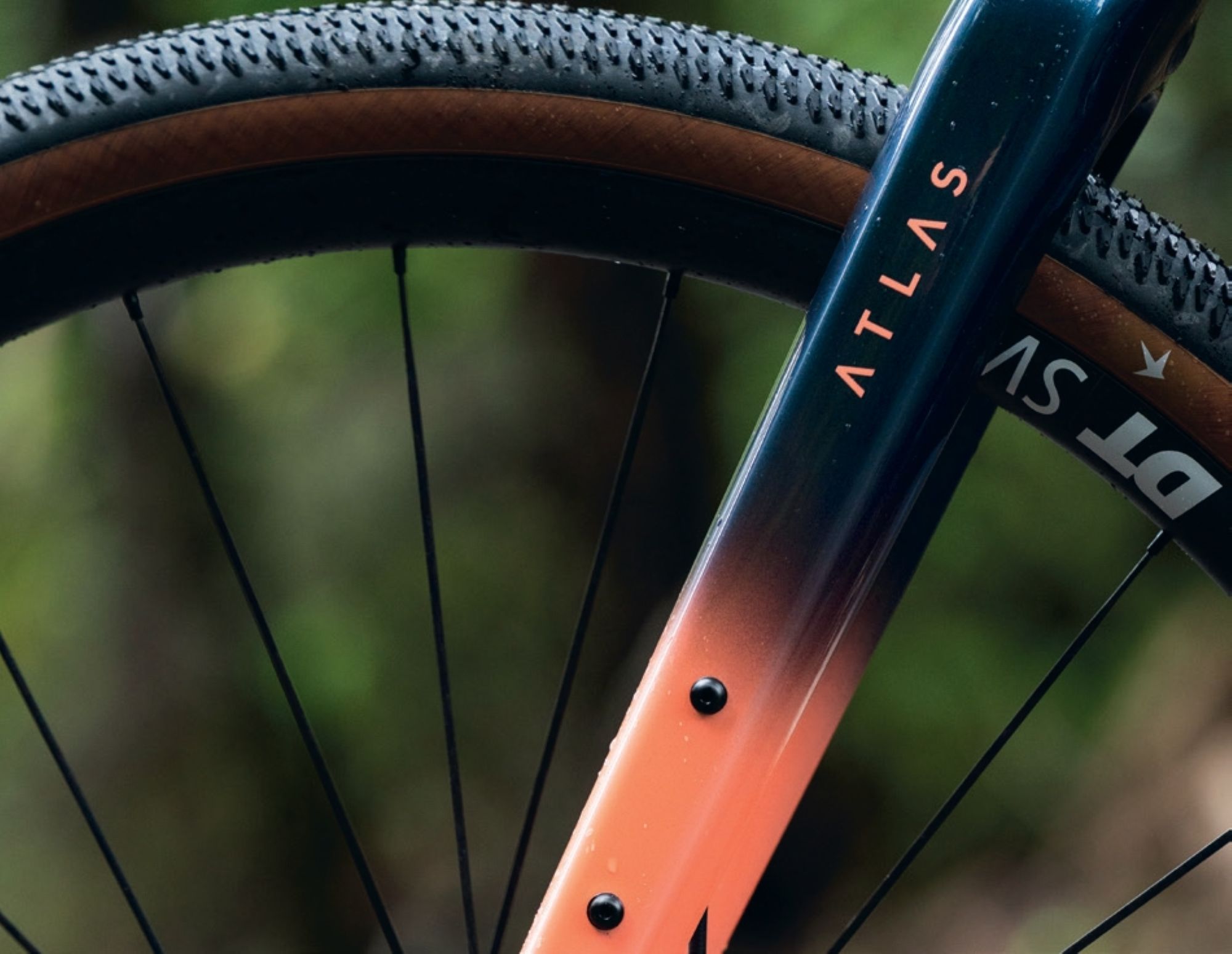
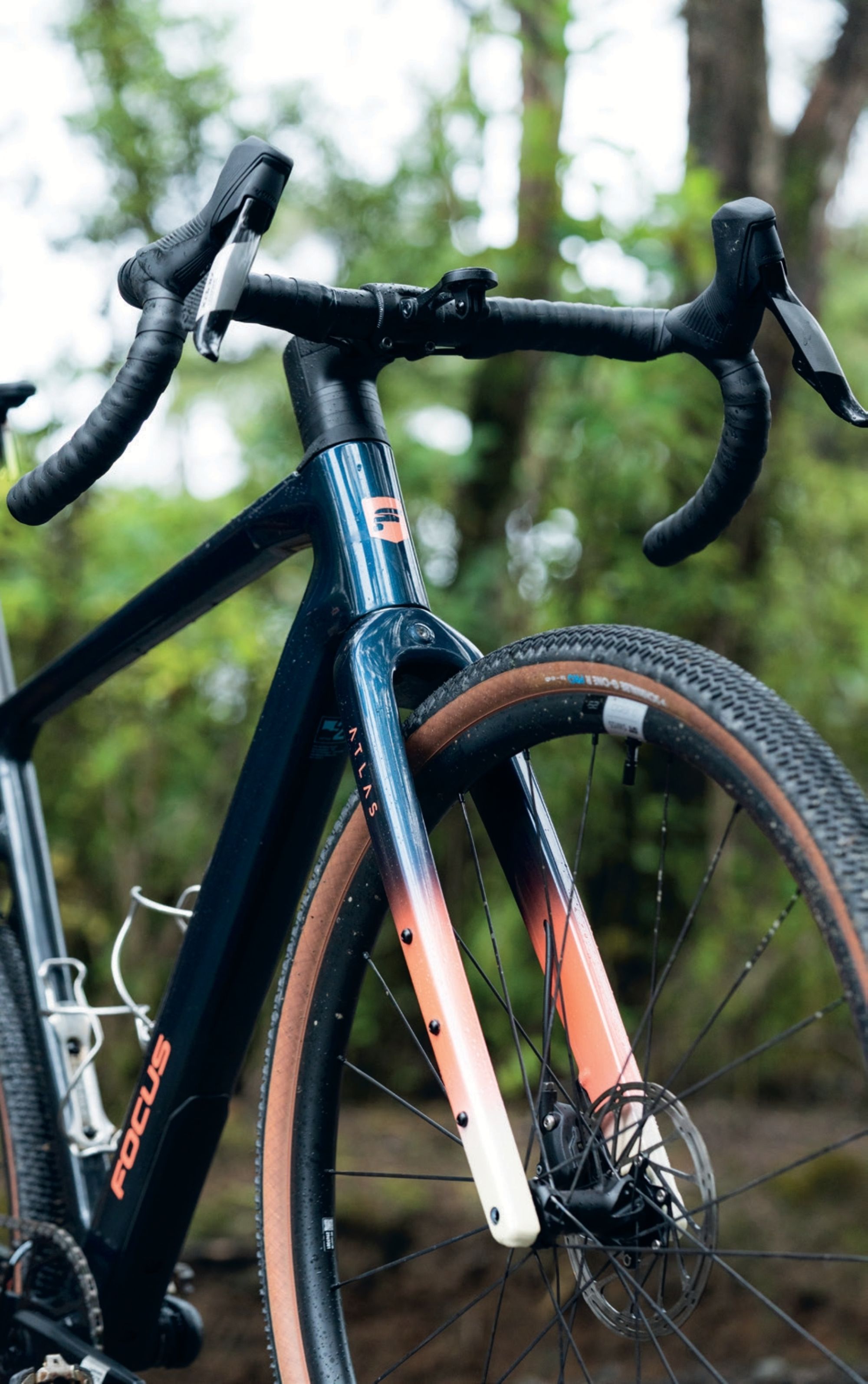
The carbon construction maintains the aggressive engineering that made the previous version competent when fully loaded. This frame resists flex and feels solid when weight is applied. To achieve additional compliance, the 45mm Schwalbe G-One R Pro Super Race tyres – included as standard – handle this responsibility admirably, delivering solid grip and damping without compromising rolling speed. The fork accommodates 53mm tyres while the rear frame limits you to 45mm. I would have preferred more clearance throughout; however, the logic makes sense. The front benefits from extra volume for traction and comfort, while rear clearance faces constraints from seat tube and chainstay geometry.
Components and Drivetrain
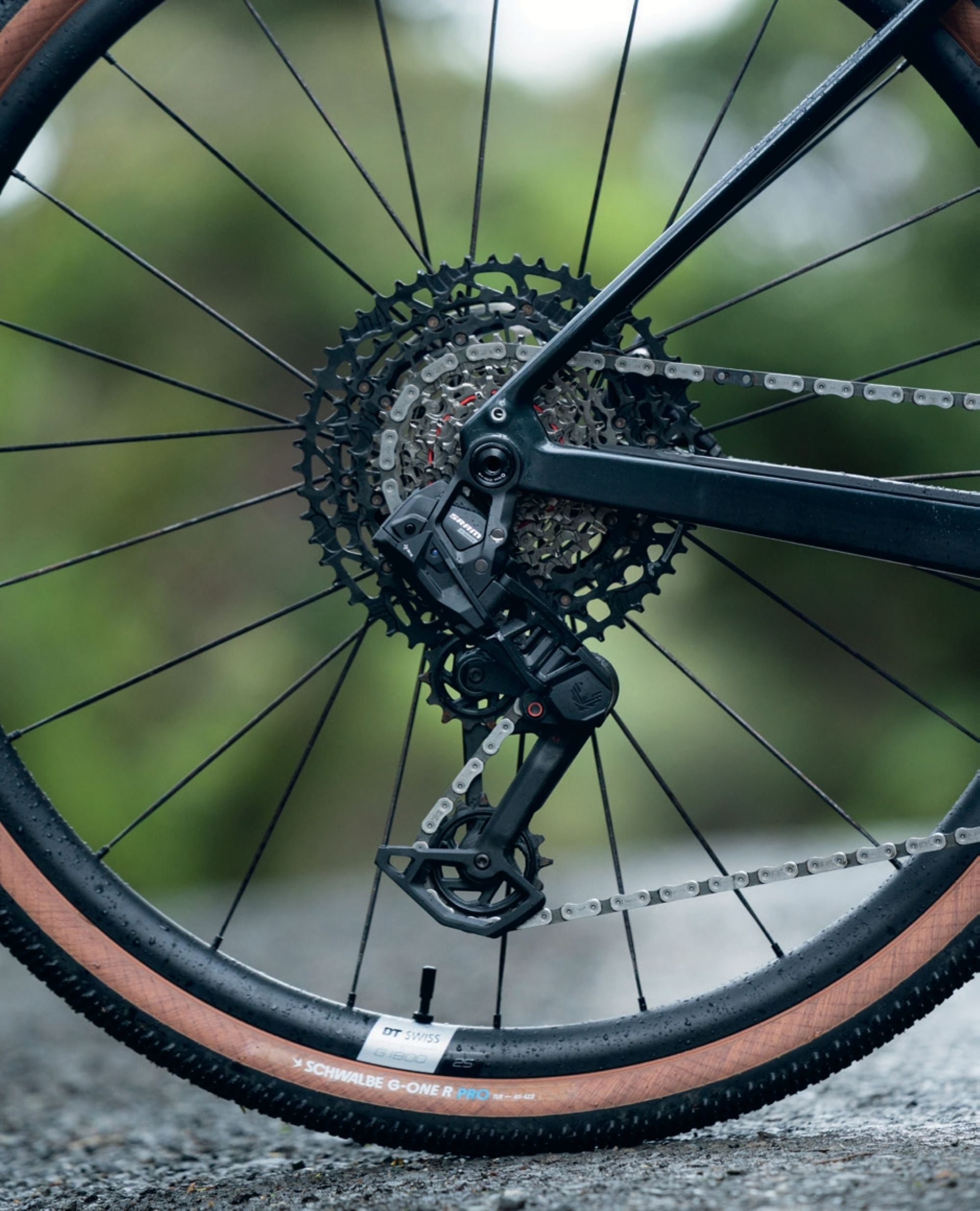
The mullet drivetrain approach – Apex-level shifters paired with Eagle Transmission rear derailleur – delivers wide-range gearing enabling steep gravel ascents whether loaded or unloaded. The 40T chainring with 10-52T cassette provides sufficient range while maintaining reasonable cruising gearing. The S1000 Eagle Transmission sits at entry level within SRAM’s updated system, yet performance differences from costlier iterations remain marginal. Shift quality remains consistent across the AXS system regardless of tier.
The older D1-style Apex shifters lack ergonomic refinements found in current SRAM offerings, but they function reliably and consistently.
This represents solid component selection, delivering guaranteed performance while keeping costs reasonable.
The DT Swiss G 1800 wheels offer durability suited to adventure riding – robust enough for rough treatment without excessive weight. The Schwalbe tyre choice reflects speed-focused preferences – Super Race construction is fast and compliant but lacks durability for aggressive terrain. Perhaps increase tyre size and volume for rowdier terrain, and if you want to head to the races, a set of carbon hoops would be a solid and significant upgrade.
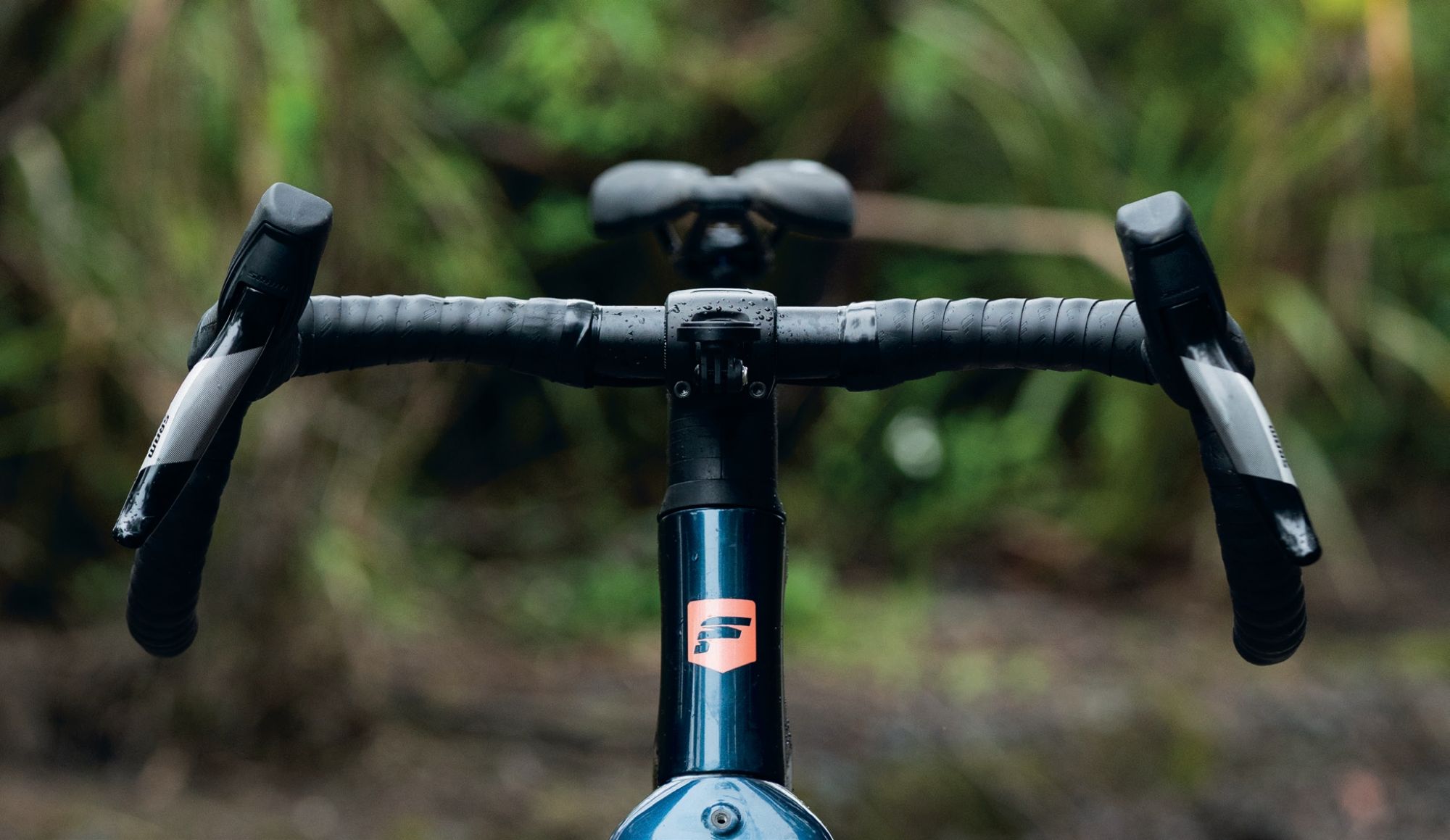
The C.I.S. 2.0 stem system creates a visually integrated front end with cables routed under removable covers. It looks polished and keeps the cockpit visually clean, but it does restrict adjustment flexibility – the split spacer system constrains stem and bar choices. Lowering the bars requires swapping to round spacers, creating aesthetic compromises that may or may not frustrate you.
The Ride
I first jumped aboard for a commute into the city – an ideal shakedown ride to acclimate to the bike. The concrete path isn’t this rig’s preferred terrain, but it allowed me to get used to the bike. The first thing you notice is the riding position: it feels well balanced. Across rowdier terrain, the Focus Atlas 8.8 floats aptly across chunky gravel beneath its tyres. The Schwalbe G-One Pro rolled fast across bitumen and provided solid grip and traction on gravel sections. If you’re planning to venture into remote parts of Aotearoa, I’d increase tyre size and robustness.
I appreciate the shortened top tube; it’s perfectly paired with a 90mm stem. The new Focus Atlas 8.8 boasts a shorter stack height and seat tube, resulting in a noticeably sportier riding position. While the tweaked geometry creates a ‘sitting over’ feel rather than a fully upright position, it’s not as aggressive as some race gravel bikes. My primary gravel bike typically has a longer top tube with a shorter stem so an initial adjustment was needed. What stood out to me was the ability to lock into a strong riding position during faster sections whilst maintaining nimbleness and agility across tighter, rougher terrain. My broad shoulders mean 420mm bars run a touch narrow, though I understand the intention and believe most riders would find them well-suited. Throughout testing, they proved appropriate across all terrain types.
The narrower bar width does present challenges for front roll bikepacking bags, as space becomes limited. However, the fork features mounting bosses accommodating cage and bag attachment readily – just avoid overloading a carbon fork. Since I run bags on most gravel bikes, the in-frame storage addition is genuinely welcomed. It cleans up frame aesthetics while easily stashing snacks, spare tubes, and tyre levers. And I do value the extra lugs around the bike making it simple to add racks for panniers and the like, if that’s your thing. It speaks to versatility.
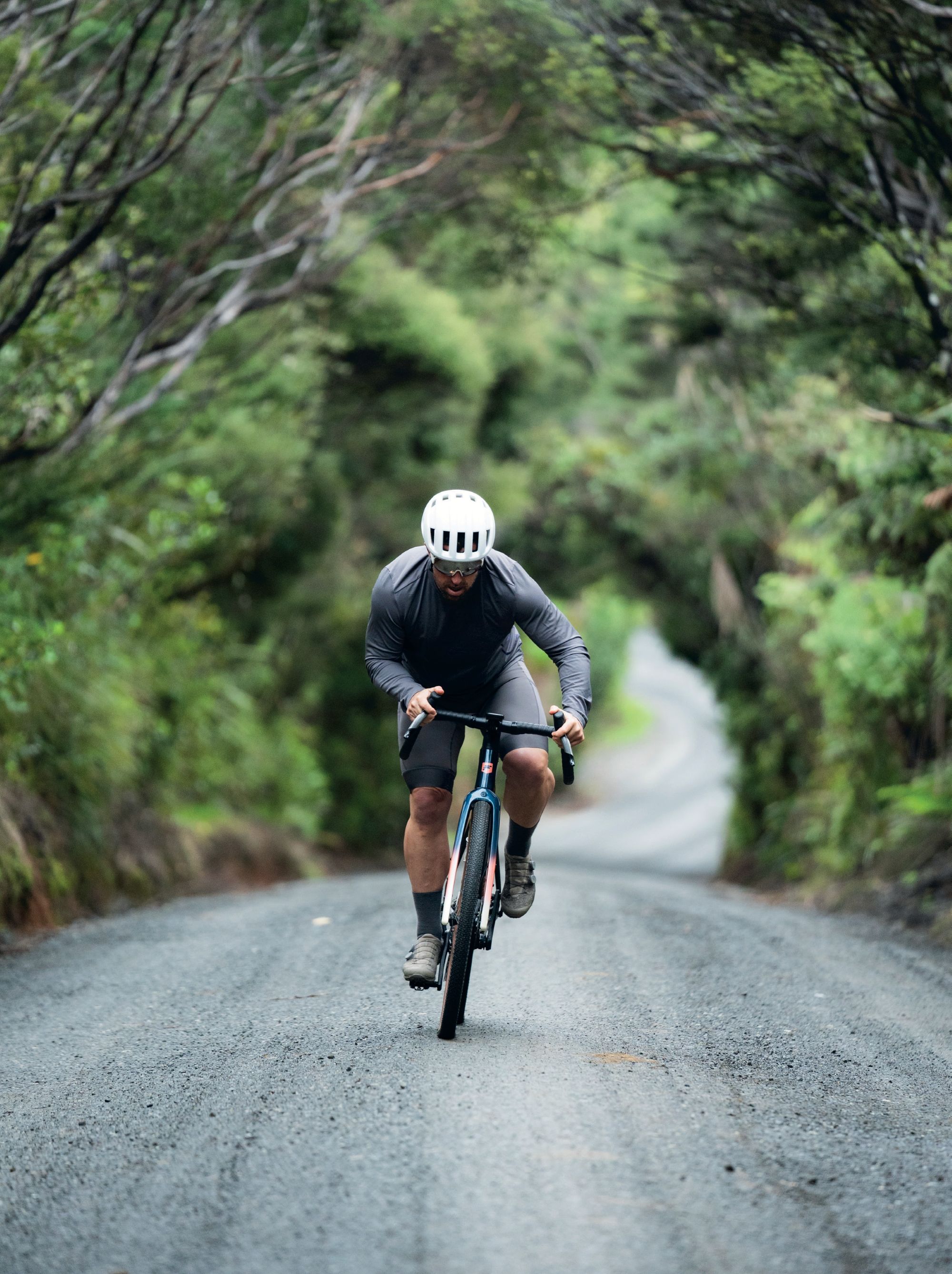
The SRAM Apex components execute crisp, efficient shifting. The mullet gearing ratio is well-suited with the bike’s adventure intentions rather than all-out racing focus. It proves ideal for climbing steep terrain like the Waitākere Ranges and, when loaded, provides sufficient range. Acceleration is strong, and the bike holds speed across all terrain. I maintained solid average speeds on familiar test routes – the bike isn’t slouching, and it didn’t demand maximum effort. You can achieve an efficient position producing good power without sacrificing comfort.
Conclusion
At this price point, the Atlas 8.8 occupies the middle of Focus’s range. Entry-level alternatives offer reduced pricing with trade-offs in geometry refinement and frame material. Flagship models cost considerably more and arrive with premium electronic shifting and carbon wheels, though these components don’t necessarily suit the platform’s adventure purpose. The 8.8 positioning feels about right – sufficient performance for bikepacking without high-end components unnecessary in remote conditions. Robustness often matters more than premium specs, particularly when considering replacement costs in the field.
The geometry refinements across the range prove valuable. The return to standard axle spacing substantially improves serviceability – a critical consideration for multi-day trips when replacement parts become inaccessible. However, the geometry shows limitations with super technical riding and rowdy rocky descents where quick reflexes and aggressive positioning enhance control. It excels when predictability and reliable handling matter more than peak aggressiveness.
Based on initial impressions, the Atlas feels well- suited for multi-day bikepacking missions. The comfortable geometry prioritises all-day composure, the comprehensive mounting infrastructure handles varied load configurations, and the frame’s compliance – delivered through carbon construction and tire volume – soaks up vibration effectively. These ride qualities suggest the platform will reward extended time in the saddle on loaded expeditions. I won’t be giving the test bike back until I have had an adventure on it, so I will report further after that.
The bike works as a capable tool for multiple scenarios – bikepacking adventures, standard gravel rides, commuting, or relaxed road sessions. The refined reach and positioning elevate ride quality across disciplines. I think the pricing appeals to riders pursuing more adventurous directions. It’s not optimised for racing or peak performance, instead Focus built a machine that’s reliable transportation for extended journeys across mixed and diverse terrain. It just happens to excel in various other riding occasions too.