Words by Liam Friary
Images by Cameron Mackenzie
The ease of modern-day life sometimes makes discomfort feel strange. For the privileged, everyday life is beyond comfortable: it’s simple to order food, scroll endless content, binge-watch episodes or do almost anything else you fancy – all at the tip of your fingers. But nothing grows in the comfort zone. Personally, I relish the discomfort of the backcountry. It’s about hard riding, adventure, and discovering remote country.
The effort is often difficult – but that’s the whole bloody point. Oftentimes, we might think we prefer the path of least resistance so it’s up to us to constantly challenge that narrative.
Our country boasts hundreds of kilometres of backcountry trails and multiple routes for riding, walking and outdoor recreation. That number alone is enticing; so many different places to discover, so many different adventures waiting to unfold. A lot of these areas are littered with rich history; well-worn pack tracks built by early settlers, some seeking fortune from the earth’s minerals, others carving out an existence in the high country. Some of those early prospectors and farmers knew the value of route marking and a good shelter. Often the appeal of these areas is that these tracks are not purpose-built for mountain biking or gravel grinding, but we can still use them for recreation. It’s about getting off the beaten track and accessing areas you wouldn’t normally venture.
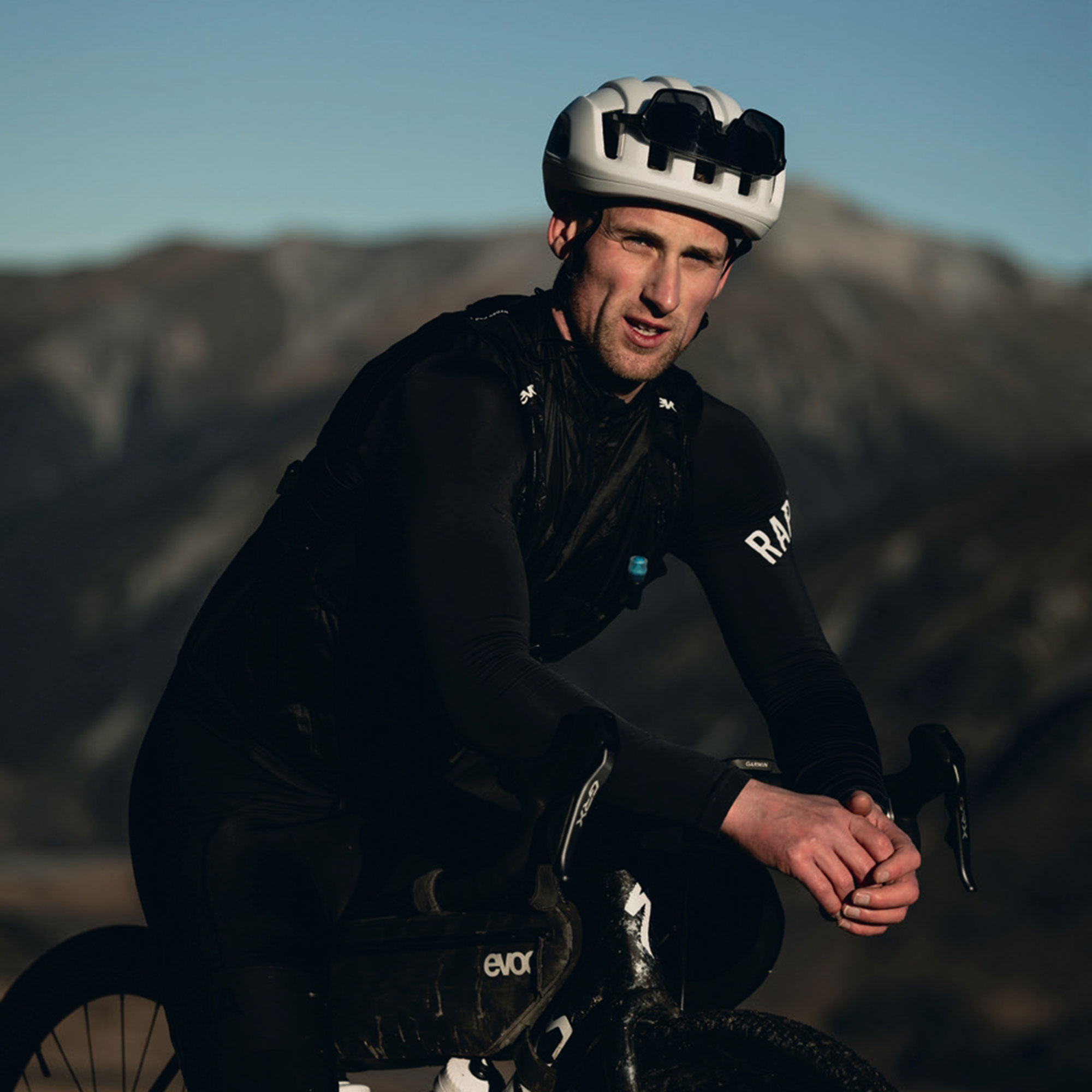
An area that’s appealed to me for a long time is the St James Conservation Area, accessed via Hanmer Springs. Centred on the vast Clarence and Waiau valleys, the massive 78,000-hectare St James Station was one of New Zealand’s largest high- country farms, dating back to 1862. This region was an important travel route for Māori, who traversed these mountains seeking passage between the coasts. When St James Station passed into the care of the Department of Conservation in 2008, it became the setting for one of the country’s finest backcountry experiences. The station was an amalgamation of several smaller runs, with the last run incorporated by 1892. Testament to the farm’s former glories, well-preserved buildings and fences add a human element to landscapes of overwhelming natural grandeur.
For our backcountry escape, we’d tackle the St James Cycle Trail in one day on gravel bikes, 64 kilometres from Maling Pass to the St James Homestead. The challenge was just as important as the destination. Knowing we’d be riding through broad river valleys framed by barren mountainsides, crossing cold rivers and traversing all manner of terrain from gravel roads to swing bridges, made the ambitious single-day mission feel purposeful. This wasn’t about ticking off another ride. This was about immersing ourselves in a landscape that demanded respect.

The logistics for these types of rides require a high level of attention-to-detail. On the way up from Christchurch, we pulled up to Brew Moon in Amberley for a quick refreshment before resting our bodies in Hanmer Springs. The next morning, we organised a shuttle, leaving one vehicle at the Homestead and driving the 25 kilometres of gravel road to the start of the ride, at Maling Pass. Even when driving, you feel buried in the expansive landscape; this sort of remoteness is exactly what we came for. It would be a solid day out in the mountains.
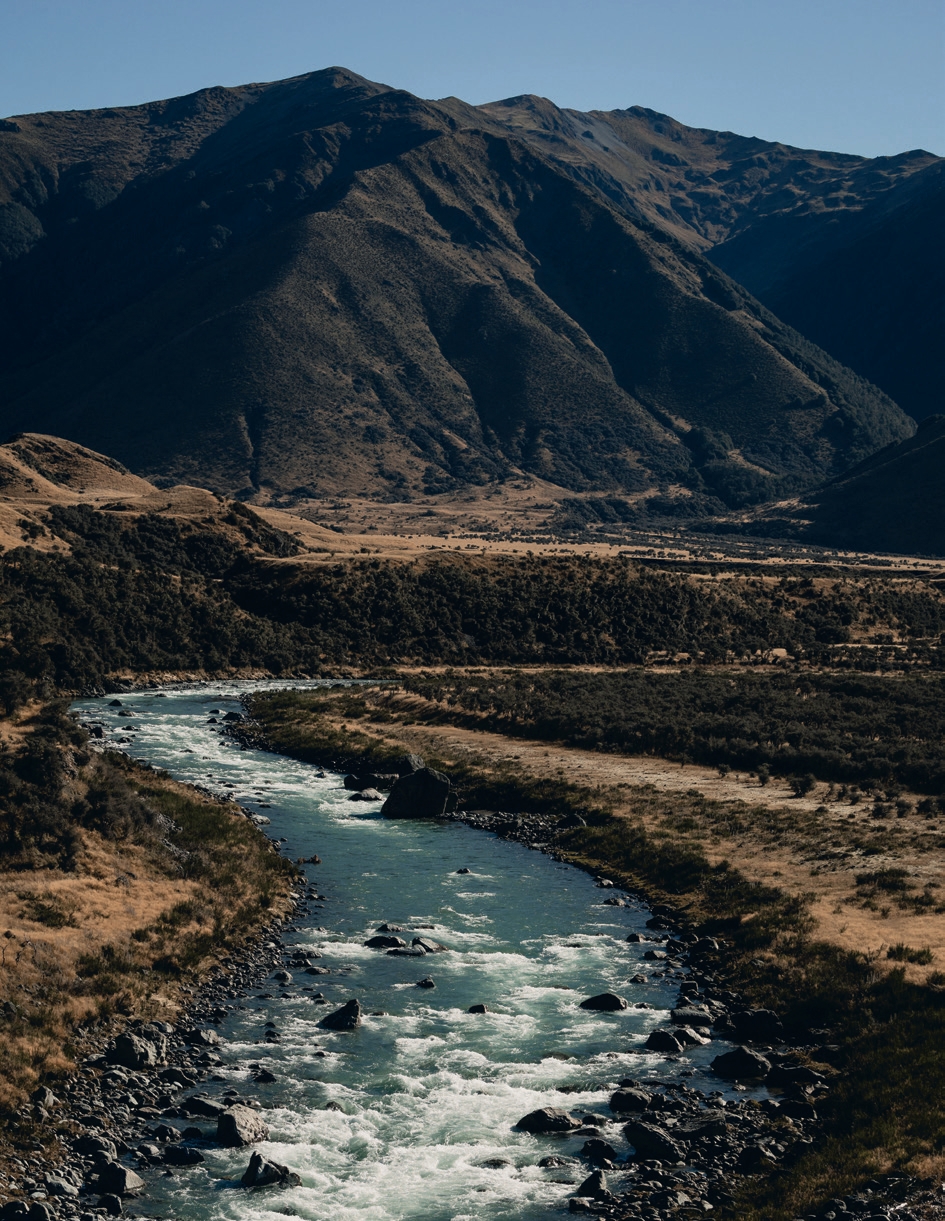
The bikes were unloaded, the van headed off down the gravel road in a bloom of dust, and we were now on our way. What daunted me was that we were entirely on our own. The sun’s rays were attempting to peek through the tall tussock mountains, however, in the dark shadows, the temperature was bloody cold. We blew into our clasped hands to warm up, but the best thing we could do was start riding and get the blood flowing.. Before we knew it, the sun was above the mountains as we tackled Maling Pass, 1308 metres above sea level. The track headed east beside the Clarence River, which was just beginning its 230-kilometre journey to the sea from Lake Tennyson. It was a gradual climb with glimpses of the lake along the way and a sea of alpine tussock and patches of beech forest marching up the adjacent slopes. The air was crisp, clear, and carried that particular high-country smell – a mix of tussock and schist.
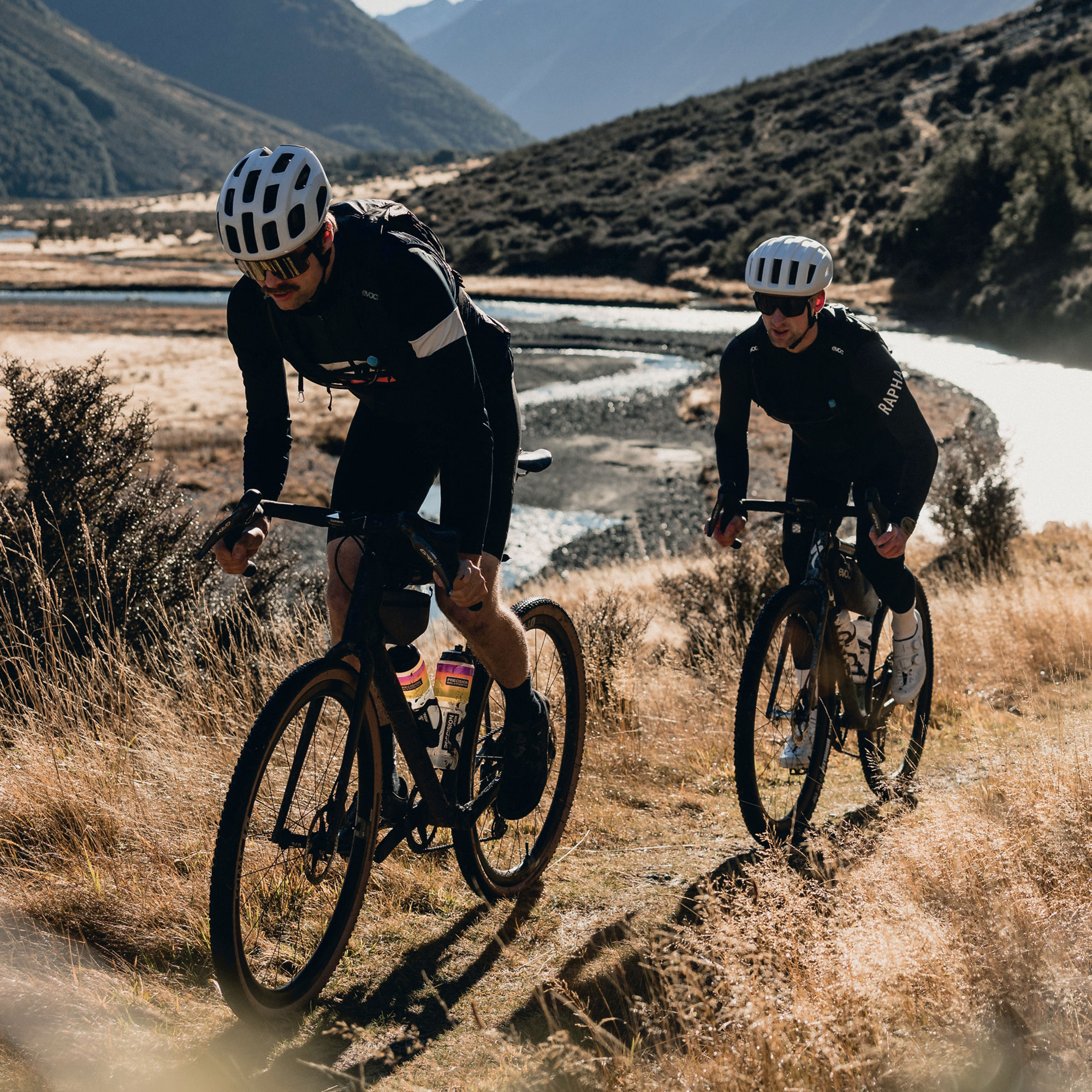
Nothing in these mountains comes easily and, quite frankly, a little effort is required for anything worth doing. The descent from Maling Pass was fast and flowing, the gravel hard packed enough for confident cornering but loose enough to keep you honest. We dropped into the Waiau Valley, and the expansive landscape opened up, the ideal moment for some sustenance and to take in the backdrop. The Waiau River, deep and clear, carved its way through the valley floor, surrounded by stunning scenery and wildflowers. In every direction, the land was rugged and steep, framed by snow-capped mountains. We clipped back into our pedals and headed south along the valley floor.. The feel of isolation was real out here.
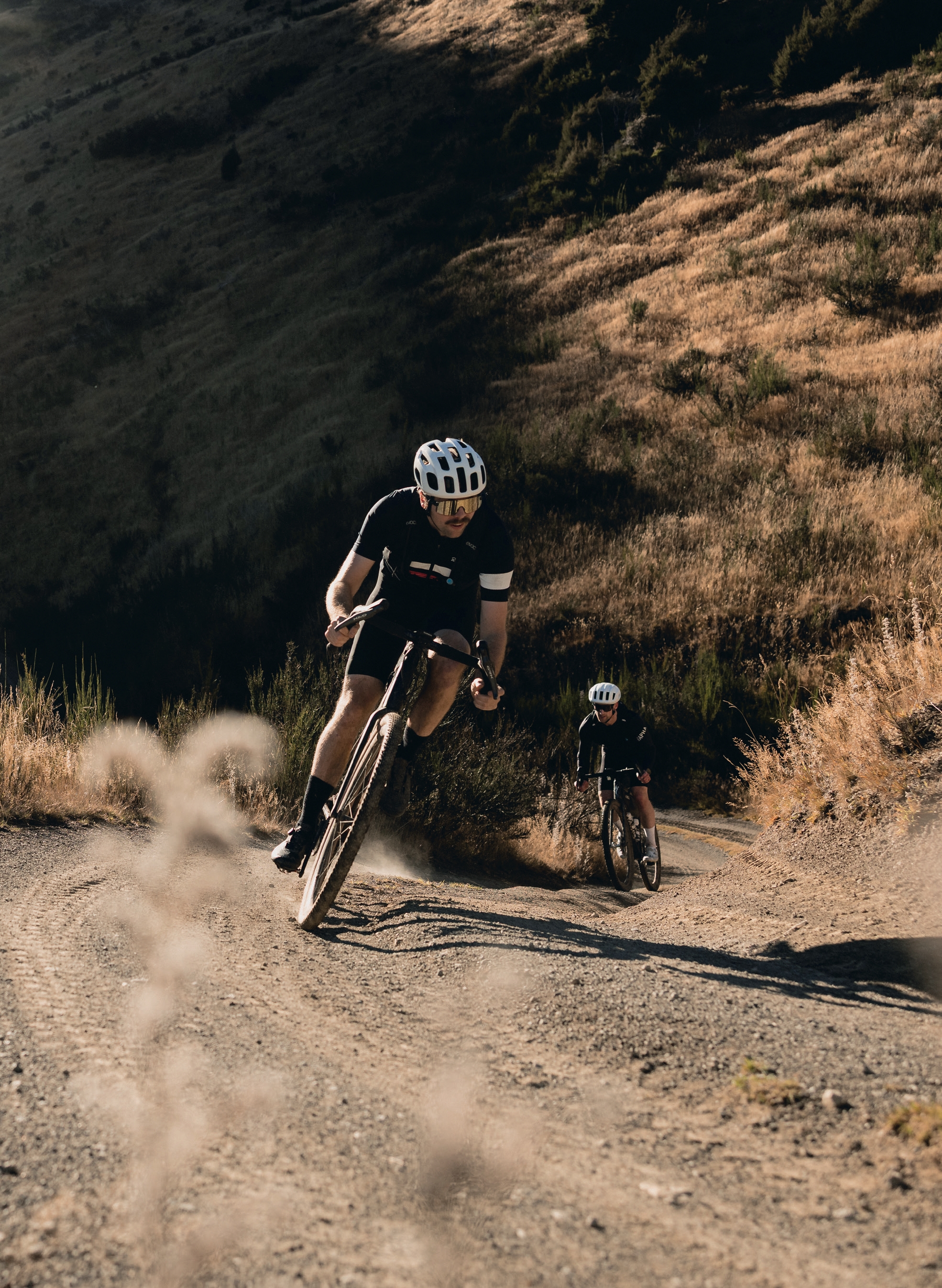
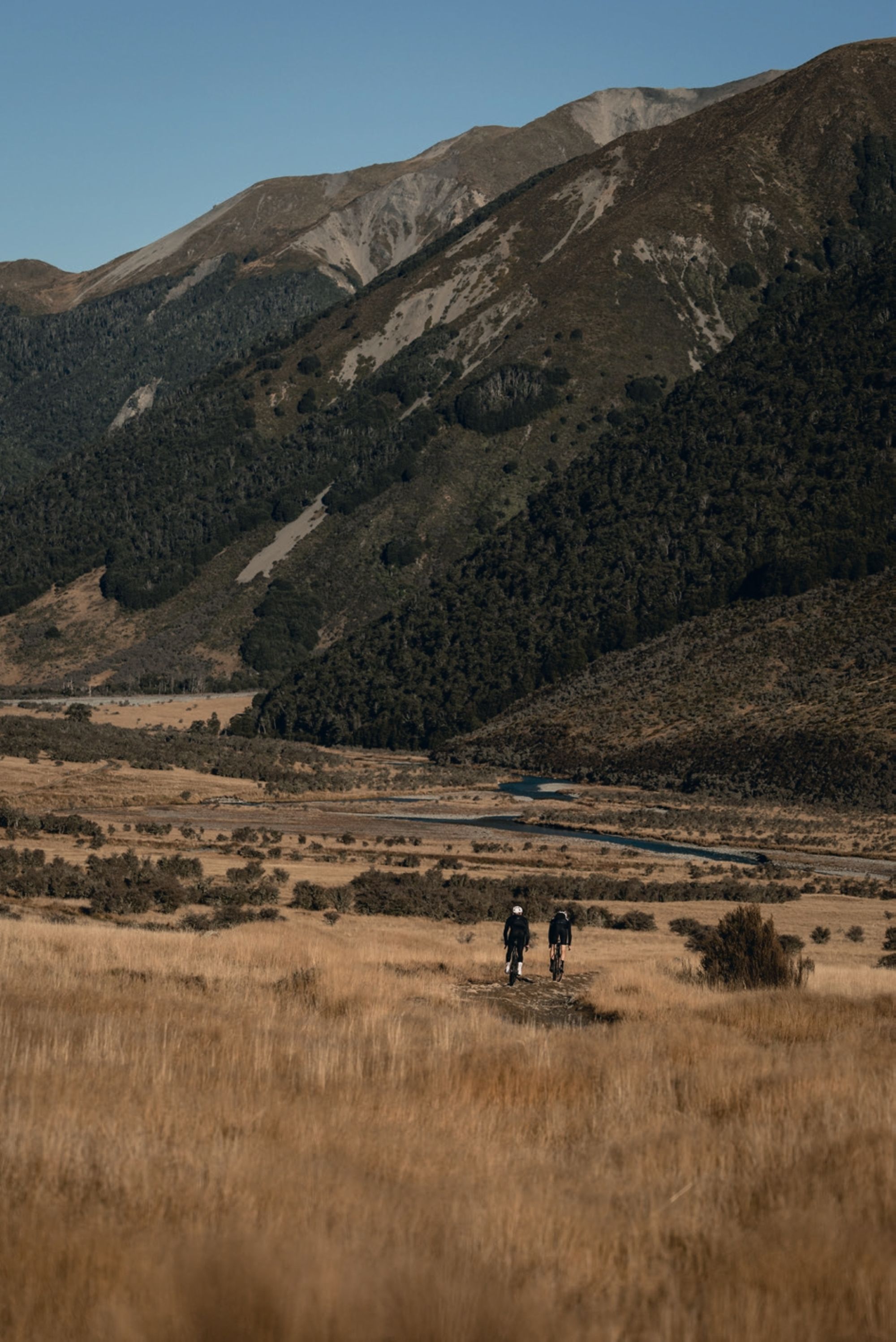
The trail ducked and weaved, following old stock and farm tracks that had been upgraded just enough to make them rideable but not so much that they’d lost their character. This was the backcountry riding we were searching for – far removed from gravel roads, but the gravel bikes seemed to be right at home. Crossing elements that aren’t usually found on everyday rides excited us the most: rivers, muddy sections, and rocky outcrops that demanded intricate line selection.
The first river crossing crept up faster than expected. The cold water rushed over our feet as we clipped out and waded through. There’s something about river crossings that adds an element of intrepidness to any ride. At this point, you’re not even riding anymore: you’re problem-solving, adapting, dealing with whatever the backcountry throws at you. Socks squelched in my shoes for the next hour, a constant reminder that out here, you don’t stay dry.
It seemed like we were on the valley floor for a while, meandering down-valley. It was far from repetitive though, as the landscape changed constantly. Open river flats gave way to dense beech forest, then back to tussock country that stretched endlessly toward the ranges. Wild horses grazed nonchalantly in the distance, remnants of the station’s farming days. These horses have roamed the St James since the 1920s, when the Stevenson family owned the property. Every two years, there’s a biennial muster where wild horses are rounded up from the isolated Ada Valley and sold at auction – a family tradition that’s been maintained since Jim Stevenson bought the place in 1927.
On this part of the ride, the mud came in sections – thick, cloying stuff that clogged drivetrains. It meant we had to ride slower to get through, but there’s no room for one’s ego out here! Like I said earlier, nothing in the mountains comes easy and I needed to park any frustration as it wasn’t going to do anything other than sap my energy. I reminded myself to just be in the moment and immerse myself in nature. The sheer awe of being out here was refreshing. The kilometres ticked by slowly. The topo map suggested the distance wasn’t that far, but out here distance and time operate on different scales.
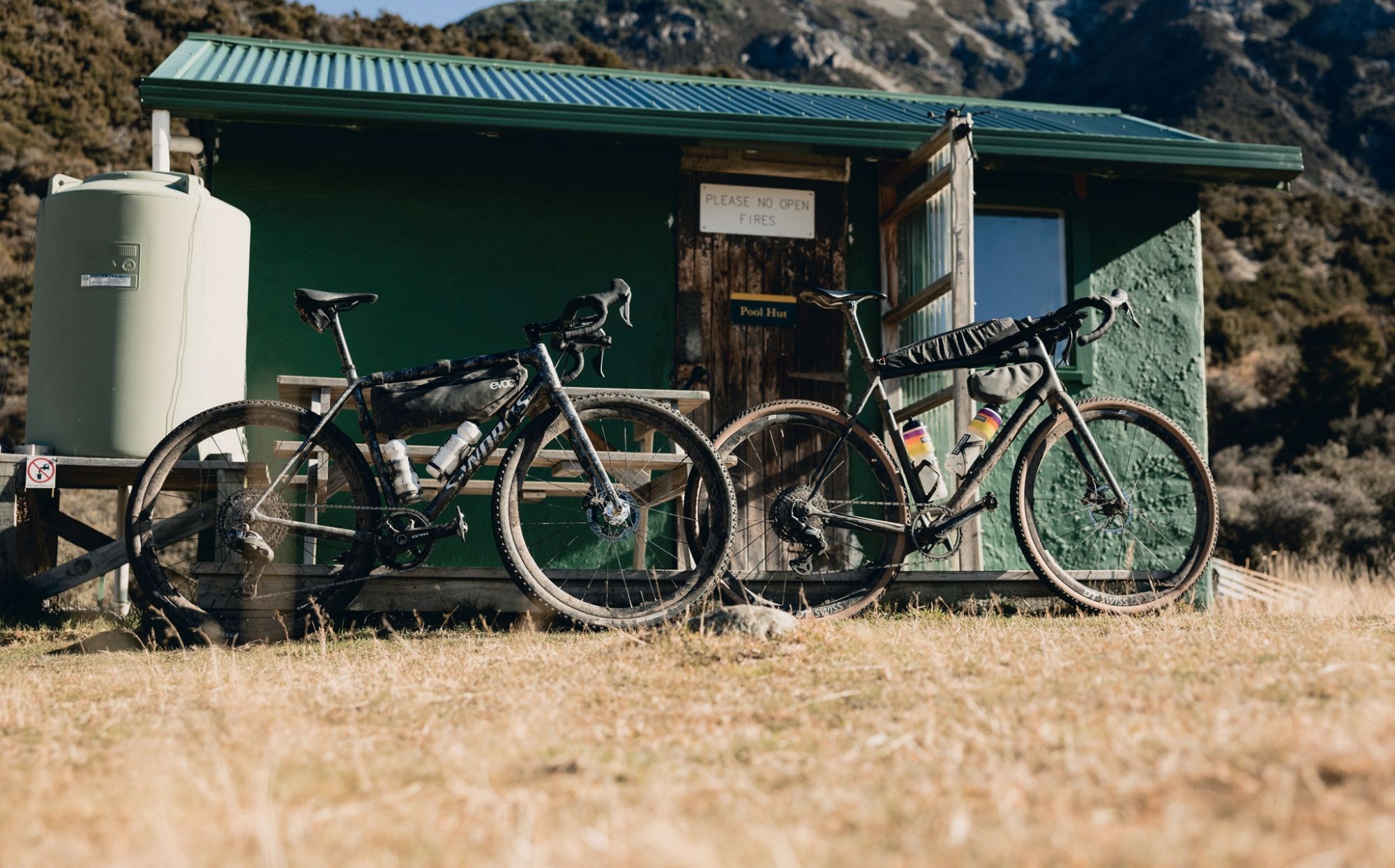
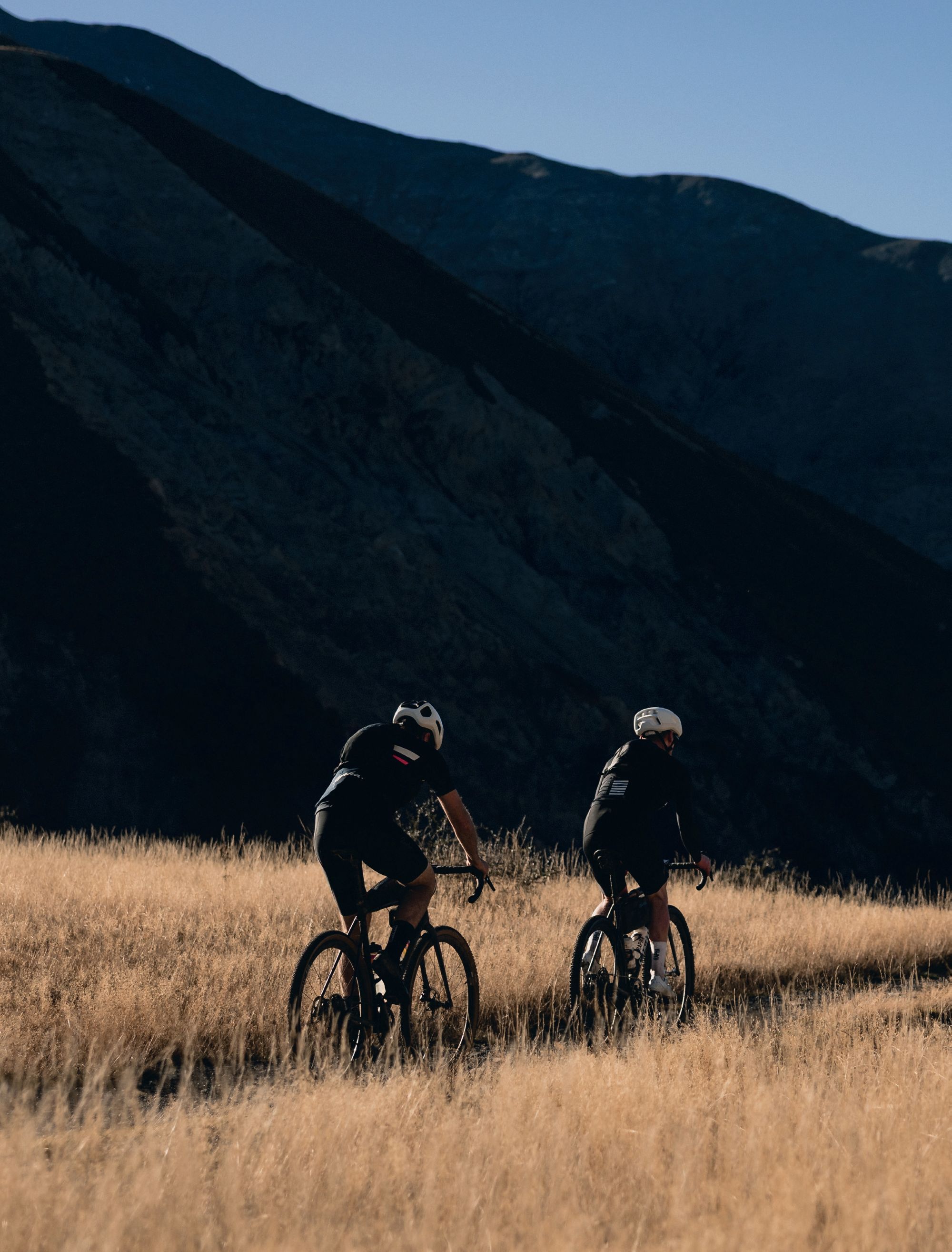
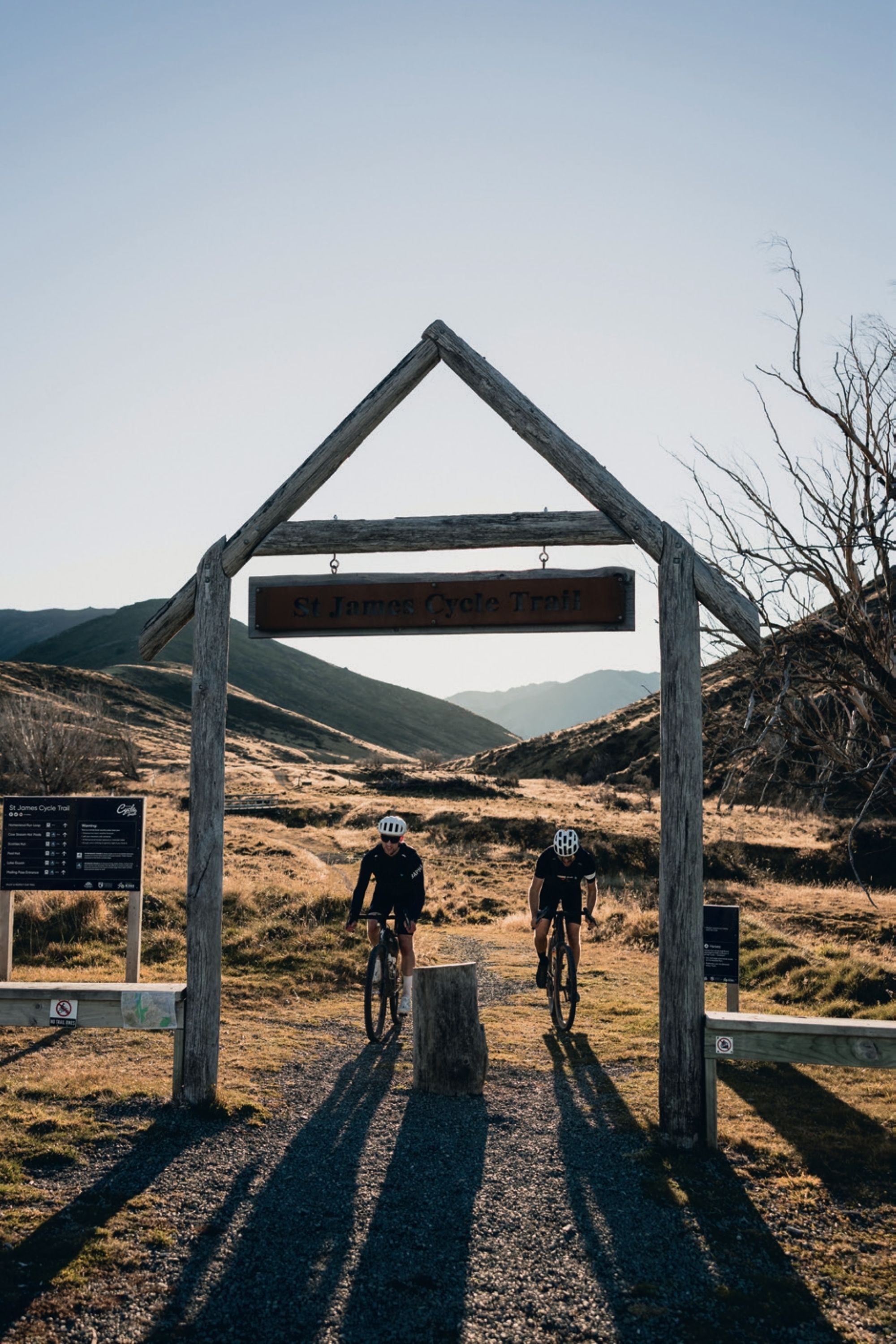
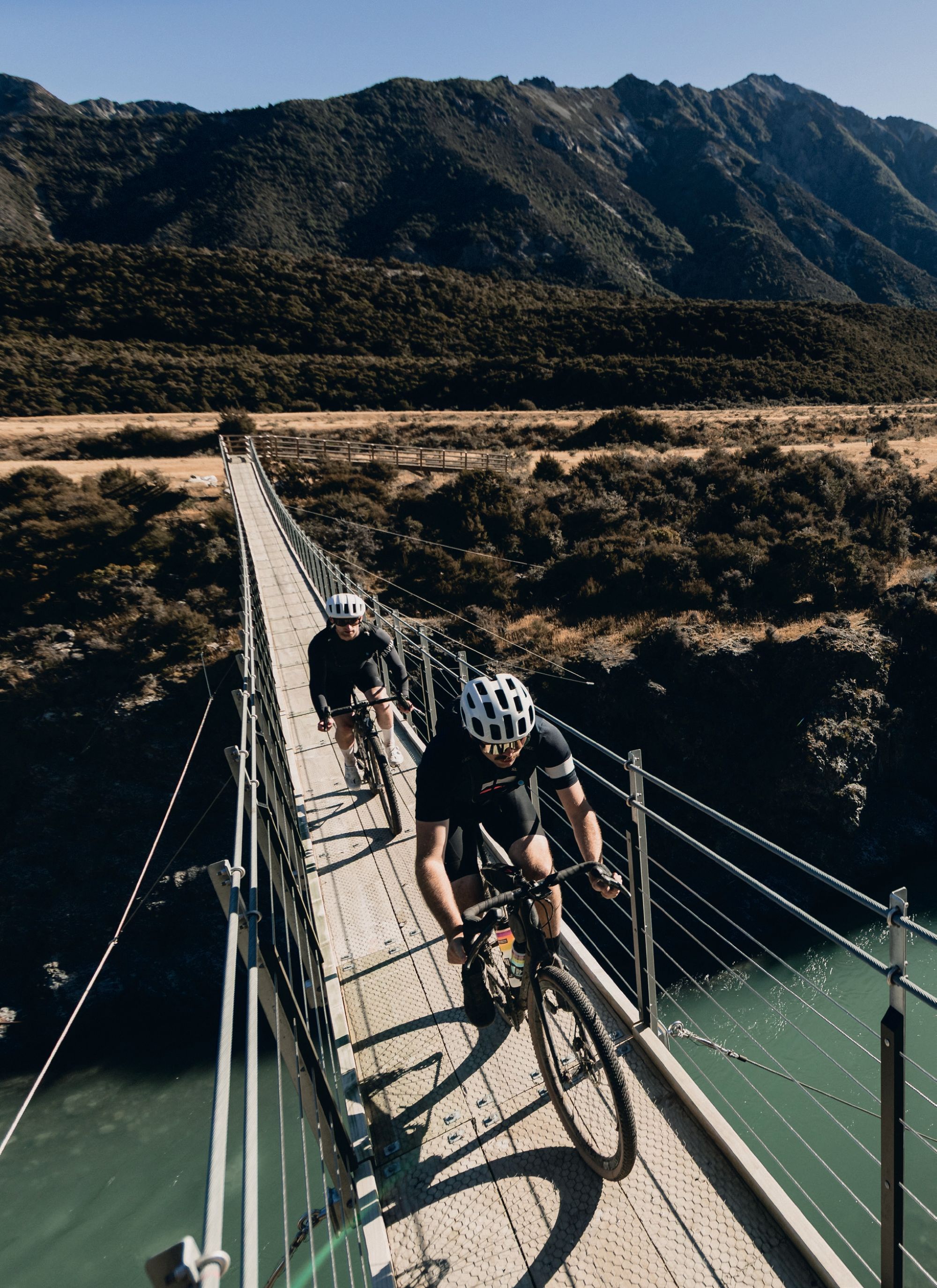
The late afternoon light was starting to dip behind the tall mountain peaks. We pressed on, legs burning, pushing through fatigue (after some mental gymnastics about hanging in there). Out here, the day asks more from you than other rides of the same distance but, at the same time, they etch deeper into your memory. The last swing bridge took us back across the Waiau river. The bridge sits high above the pristine rapid river, between the sheer rocky bluffs. The trail made its final sizeable climb out of the valley to reach Peters Pass. From there, an easy downhill run wound down the smaller but no less beautiful Peters Valley. And then, suddenly, there it was – the end of the St James Cycle Trail. This was exactly what we’d come for – this moment of arrival, of finding yourself in the wild. The day’s efforts gradually slipped away as we cracked a tin of beer.
I took a moment to reflect on the journey before we loaded the bikes onto the car. Our off-grid sojourn had reminded me that sometimes a single long day immersed in nature is all you need. We all need some sort of purpose, andexploring a route and experiencing backcountry landscapes had given me exactly that. It provided everything I needed to get things back into perspective. The vastness and remoteness staggered and intrigued me; endless valleys and mountain peaks flowed as far as the eye could see – it’s not manicured in the slightest, and that’s the whole point.
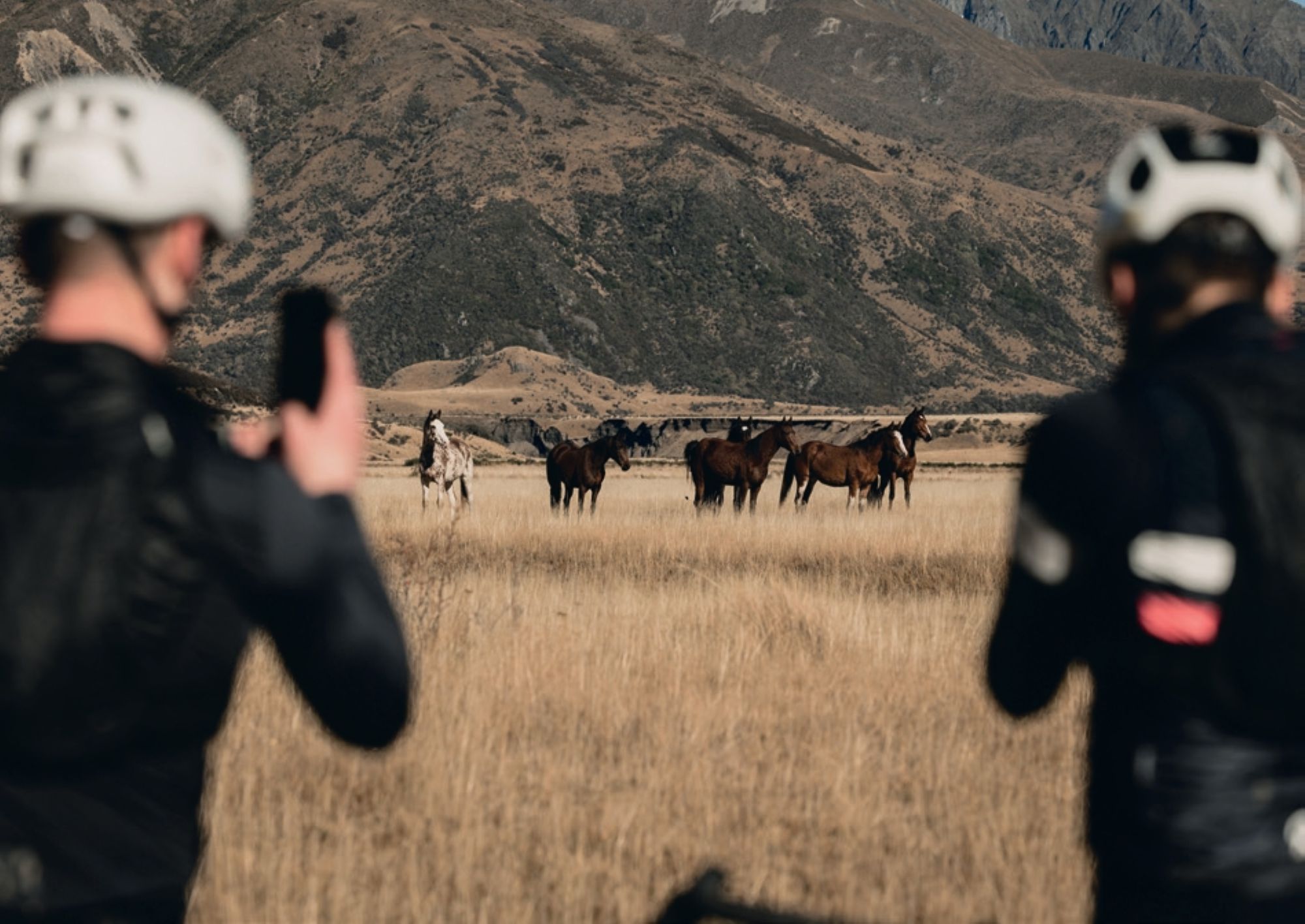
Gravel bikes are built for numerous different adventures and it’s good to use them as a portal to take in different environments. The farming history of the region added another layer to our experience. Riding the same tracks those high-country farmers used over a century ago, following the routes Māori travelled long before European settlement. The river crossings, the mud, the technical sections – they all demanded something more than just fitness – they demanded adaptability, respect for the landscape, and a willingness to embrace discomfort.
It’s not just about suffering through the wilderness; it’s about finding connection with it, even if just for a day. I can’t wait to pack my bag for the next adventure – wherever that might take me – and whatever historic landscape is waiting at the end.
STAY
Gateway Lodge
EAT
Four Square Hanmer Springs, Gateway Tavern, Tease Bar & Restaurant, PJ Pies, Fudgelato
RECOVER
Hanmer Springs Thermal Pools & Spa
SHUTTLE
Hanmer Adventure
For more information, head to Visit Hurunui. This feature was produced in partnership with them.