Words by Ruairi O’Shea
Images by Jay French
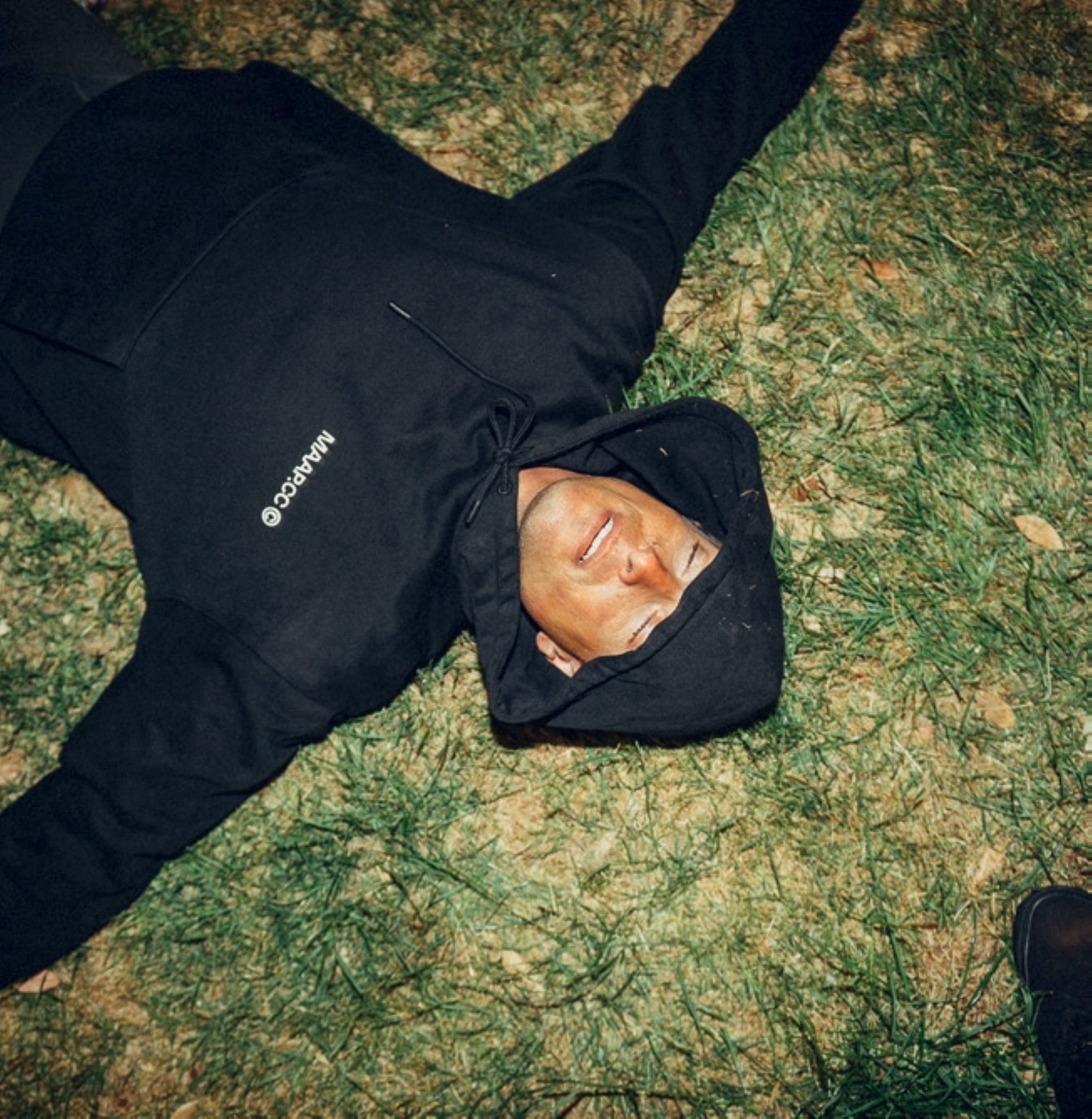
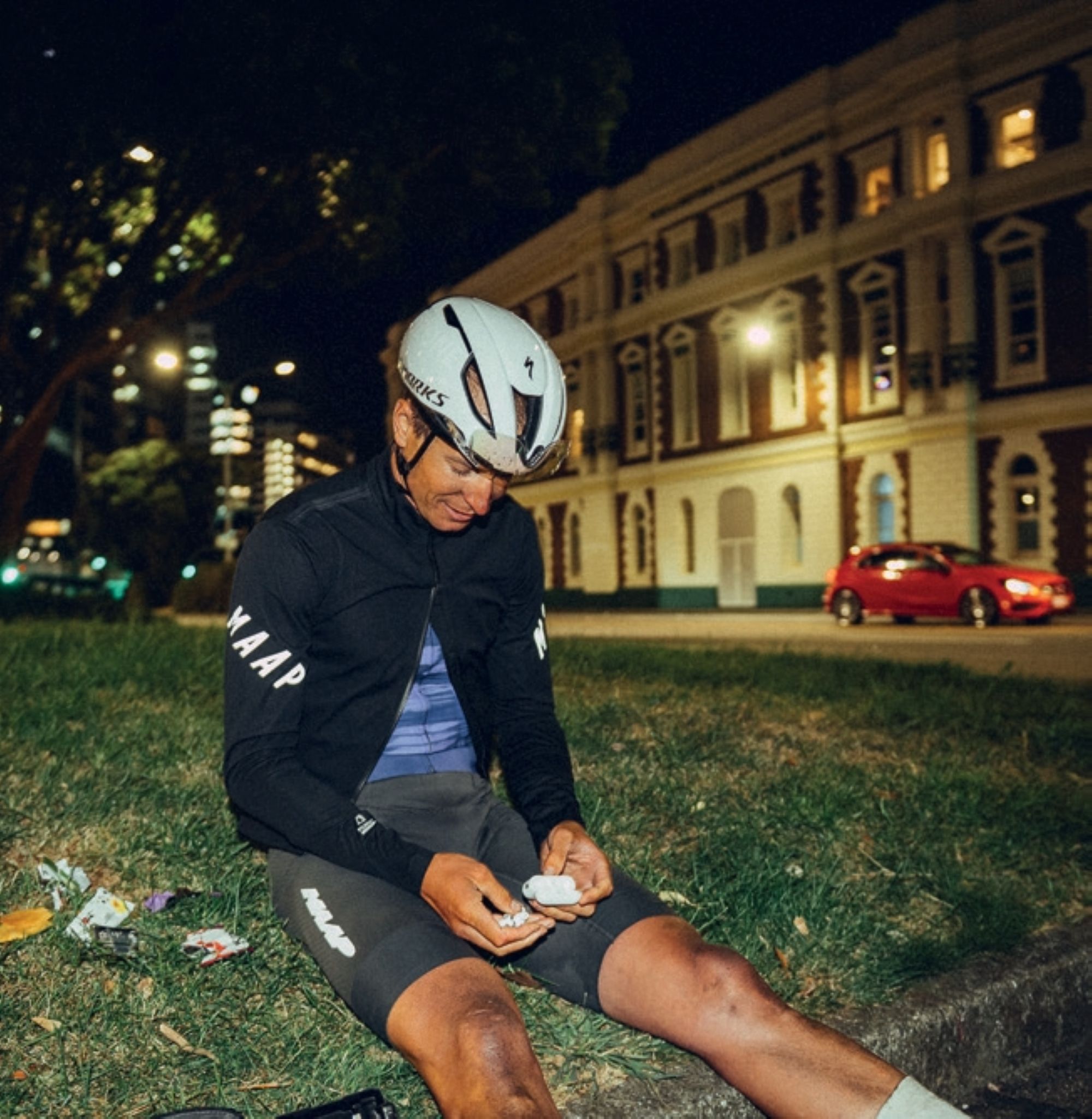
On Monday the 15th of December 2025, at 4am, Sam Shaw clipped into his pedals and rolled out of Auckland. The next time his feet touched the floor, 17 hours and 21 minutes later, he’d made a permanent mark on New Zealand cycling history, setting a new fastest known time from Auckland to Wellington. This is the story of Shaw’s record-breaking ride.
Within three minutes of starting the video, Sam knew he was going to have to give it a go.
The film In One Day, is Lachlan Morton’s homage to Brian Fleck, a postal worker who once held the record for Auckland to Wellington by bike. In the film, Morton set a new fastest known time (FKT) for the ride, the latest in a long line of epic adventures by the Australian professional cyclist. But while most of us sat back in awe, Sam Shaw saw something he thought he could beat.
“I’m a big fan of Lachlan Morton, but when I watch his videos, he’s taking something on in Spain, or the US, and I can’t just go and do that,” Shaw says. “With Auckland to Wellington, it was something I could actually do. [I thought] it won’t be too expensive, and I won’t have to travel too far. Almost as soon as I started watching the video, I decided I was going to try to beat his time.”
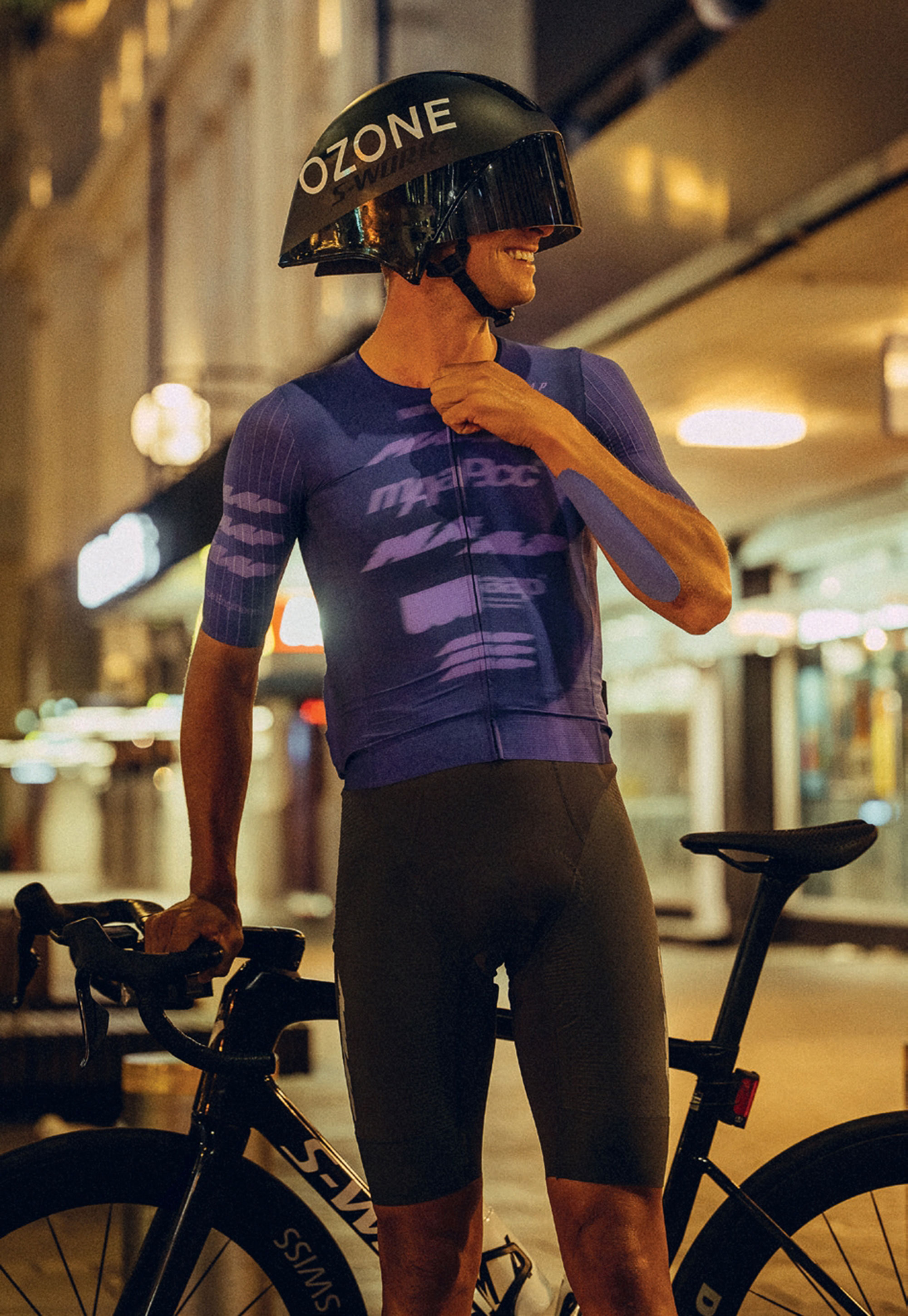
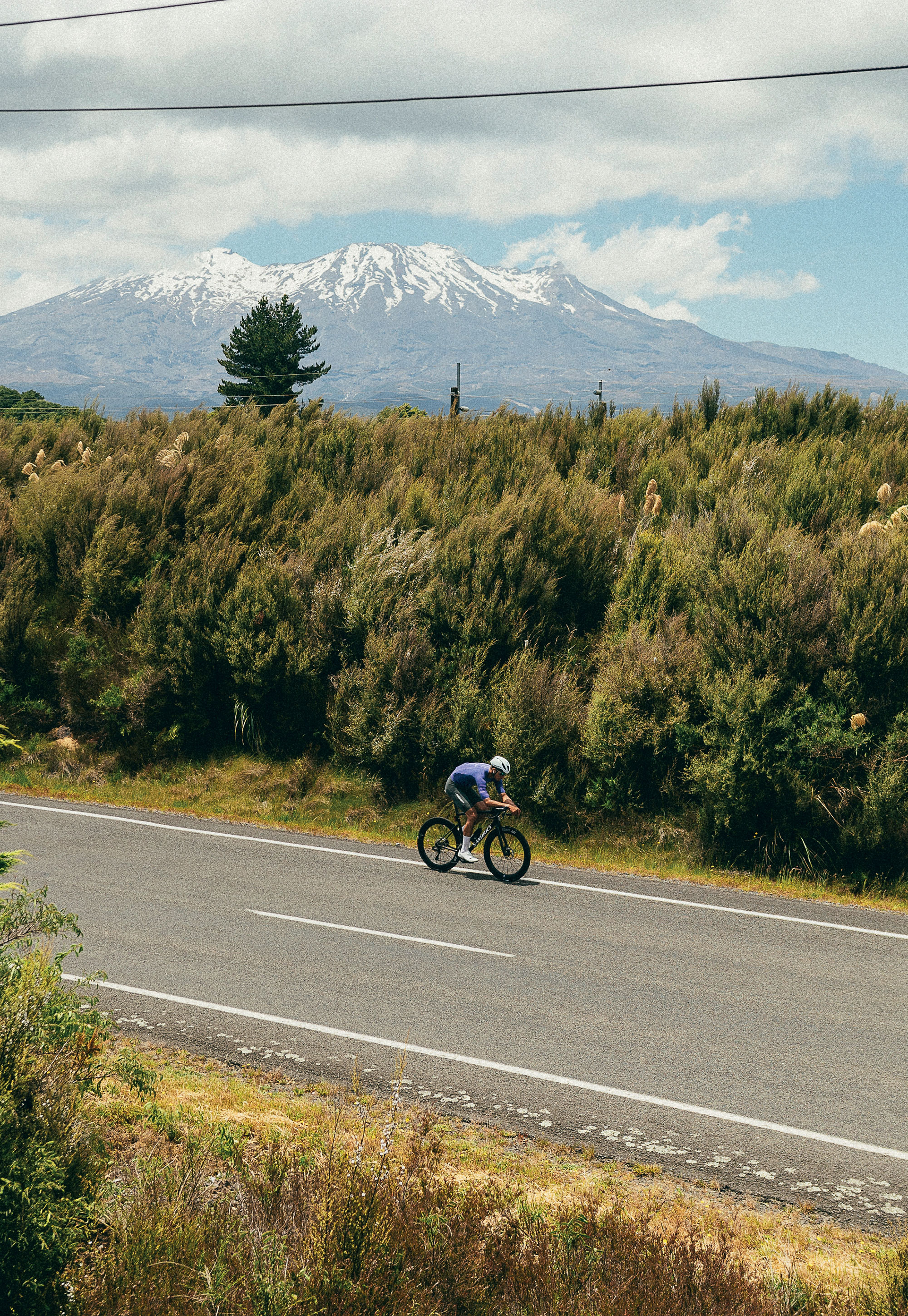
Sam is an incredible natural athlete, capable of riding long distances at high speed, but as details of Morton’s ride emerged, the reality of the challenge began to sink in. “When I’d watched Lachlan’s videos before – it’s not that I thought he was moseying along – but I never realised how quick he was going,” Shaw says.
Morton had covered the 648km route used by Brian Fleck in 18 hours and 26 minutes, averaging 35.1 kilometres per hour. Sam, who had planned to break the record within a couple of months, knew he wasn’t there yet.
“It is just so fast, for so long,” Sam says. “At that point, it was unachievable for me. Normally when I go for a ride, I might average 30 kilometres an hour. Then it became a challenge of trying to bridge the gap from unachievable to achievable.”
Covering cycling from Sam’s home in Wanaka, I know him reasonably well. He’s helped me with a few stories in the past, and I ride with him as part of the Could bE Keen cycling collective that he’s a founder of. I’ve seen his power on the bike first- hand as he’s effortlessly slid past me while I’m at my limit, and I’ve closely followed his results at races like Edition Zero. I’ve also heard plenty of gossip about how his training, or the way he fuels on the bike, goes against the conventional wisdom.
So, when Sam pulled up alongside me at a group ride in March last year, and told me he was going to take on Morton’s record, it wasn’t that I thought he couldn’t do it. More that he shouldn’t be able to.
Lachlan Morton is a professional cyclist with a World Tour team and his own personal support crew. When he took on the Auckland to Wellington record, he did so with the benefit of his record-setting lap of Australia in his legs, and a tried and tested approach to the fast, steady riding required for a record of this nature.
Sam is an apprentice builder whose son, Wes, was three months old when Sam decided to take on the record. It wasn’t his talent I doubted, but the ability to hone it despite the everyday limitations that come with having a young family and a full-time job.
But where I saw problems, Sam saw opportunities.
Sam lives in Wanaka but works up the road in Hawea. For most people, that’s a 20-minute drive each way. For Sam, it was two chances to train.
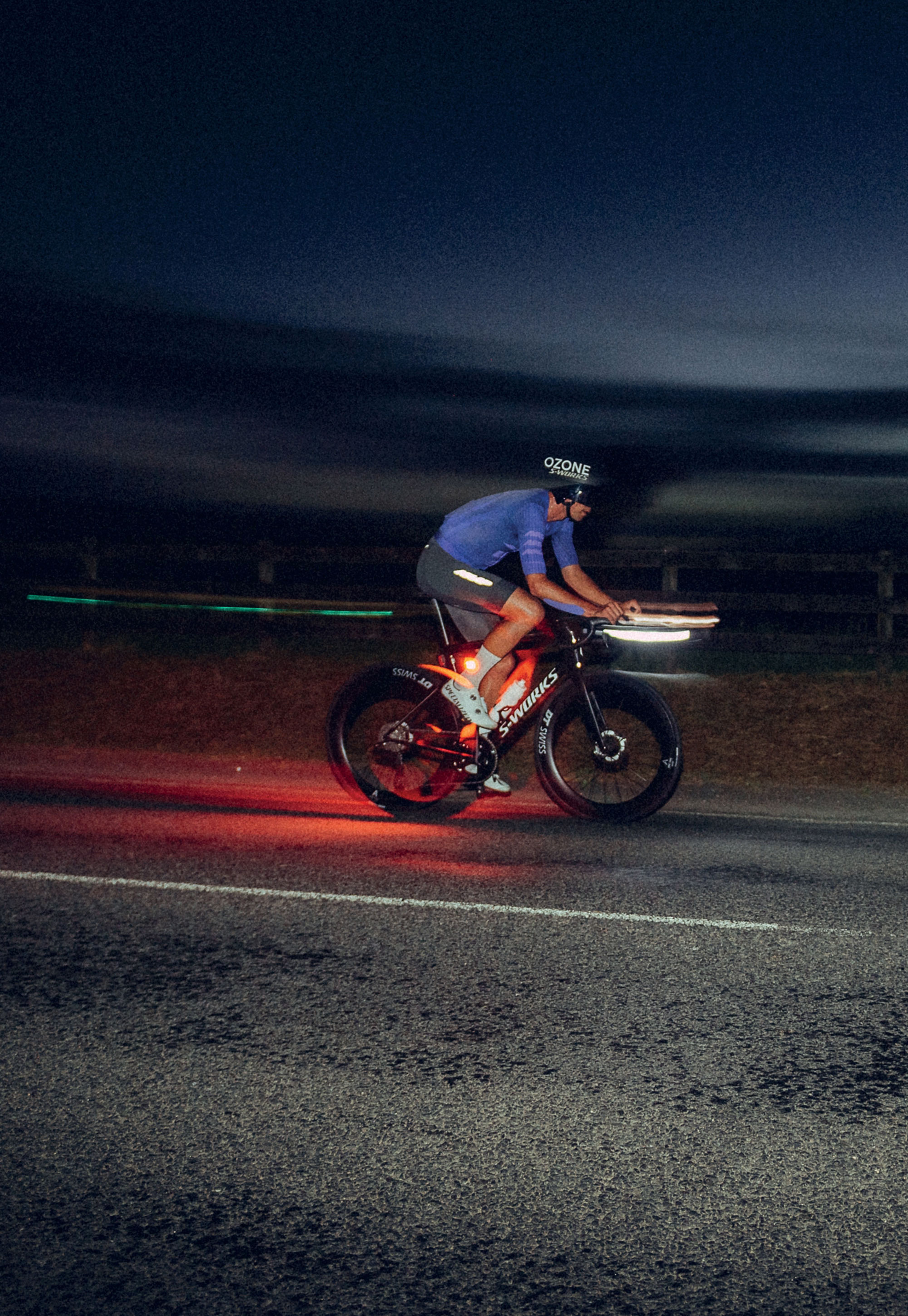
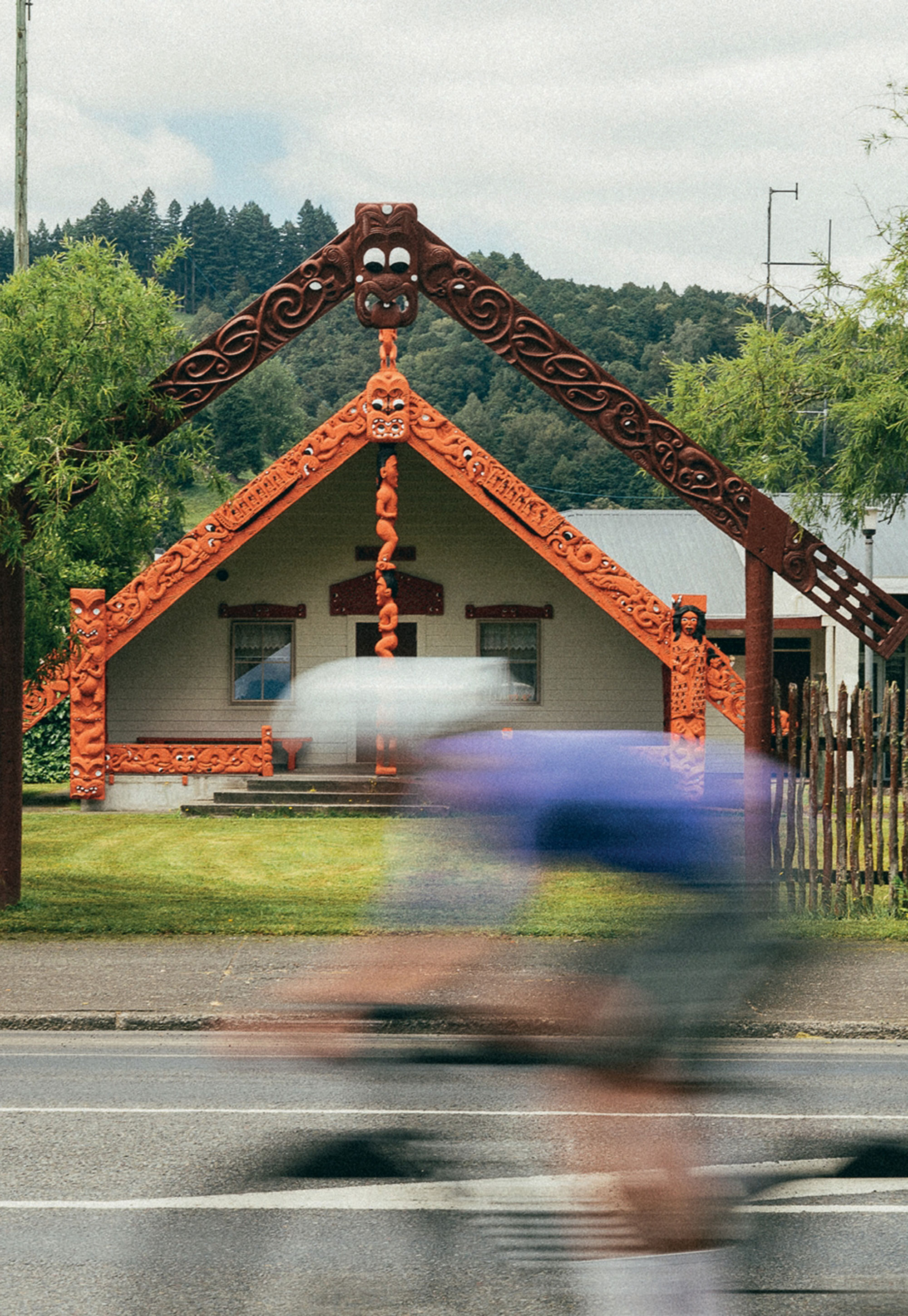
“I’ve got a bit less time than I used to, and a bit more responsibility, so I had to fold my training into the commute,” Sam says. “Some of the days I’d ride easy, but on others I’d be doing quite specific efforts. And I’d do my long rides at the weekend.”
Sam’s job is physical, and while most people would be concerned that this would affect their ability to train, Sam attributes much of his success to the work.
“Building was part of the training,” Sam says. “I don’t know if this is obvious to everyone but riding 300 kilometres a week wouldn’t necessarily prepare you for this kind of ride. Riding 300 kilometres, plus building for 40 hours, does.”
In addition to training, Sam had to change how he rode his bike.
“My background is in mountain biking, and if you’re going to be good on a cross-country bike, you need to ride upright, with a strong core and a fast cadence. To go fast on the road bike, I needed to be able to hold a really low aero tuck for the whole ride, without ruining my back or my hip flexors. There was a whole 10-month period of tailoring the Pilates and stretching exercises I do for record.”
Sam’s preparation might look modest beside Morton’s, but it brought the record back to its roots — working men doing extraordinary things on a bike.
There is a sense of contagion with FKTs (Fastest Known Time). While most of us sit around in awe of the accomplishment, a tiny minority think, “I could do that”. Occasionally, an FKT is put so far beyond the reach of any prospective competitors that it lies dormant, waiting to be discovered by a new generation. The Auckland to Wellington FKT is no different.
The record had been broken twelve times by the time Sam set his sights on it, with the most famous period in its history coming in the early 1980s when it changed hands four times in three years.
In 1981, draftsman Dick Horner rolled into Wellington after 25 hours and 18 minutes in the saddle, beating the previous record by just eight minutes. Two blokes, both called Brian, thought they could do better.
In 1983, after working during the day and training during the night, Brian Lambert took on the record, posting a time of 23 hours and 44 seconds, powered by pies and Coca-Cola.
Speaking after the ride, Lambert said, “Hell, I’m not doing that again. Once is enough… If someone comes along and beats the time in the next few months, I suppose I’d consider it, but just now I want to forget about cycling.”
So, you can imagine Lambert’s irritation when Brian Fleck, a post office supervisor from Te Awamutu, rolled into Wellington in November of the same year, taking two hours and fifty minutes off his time.
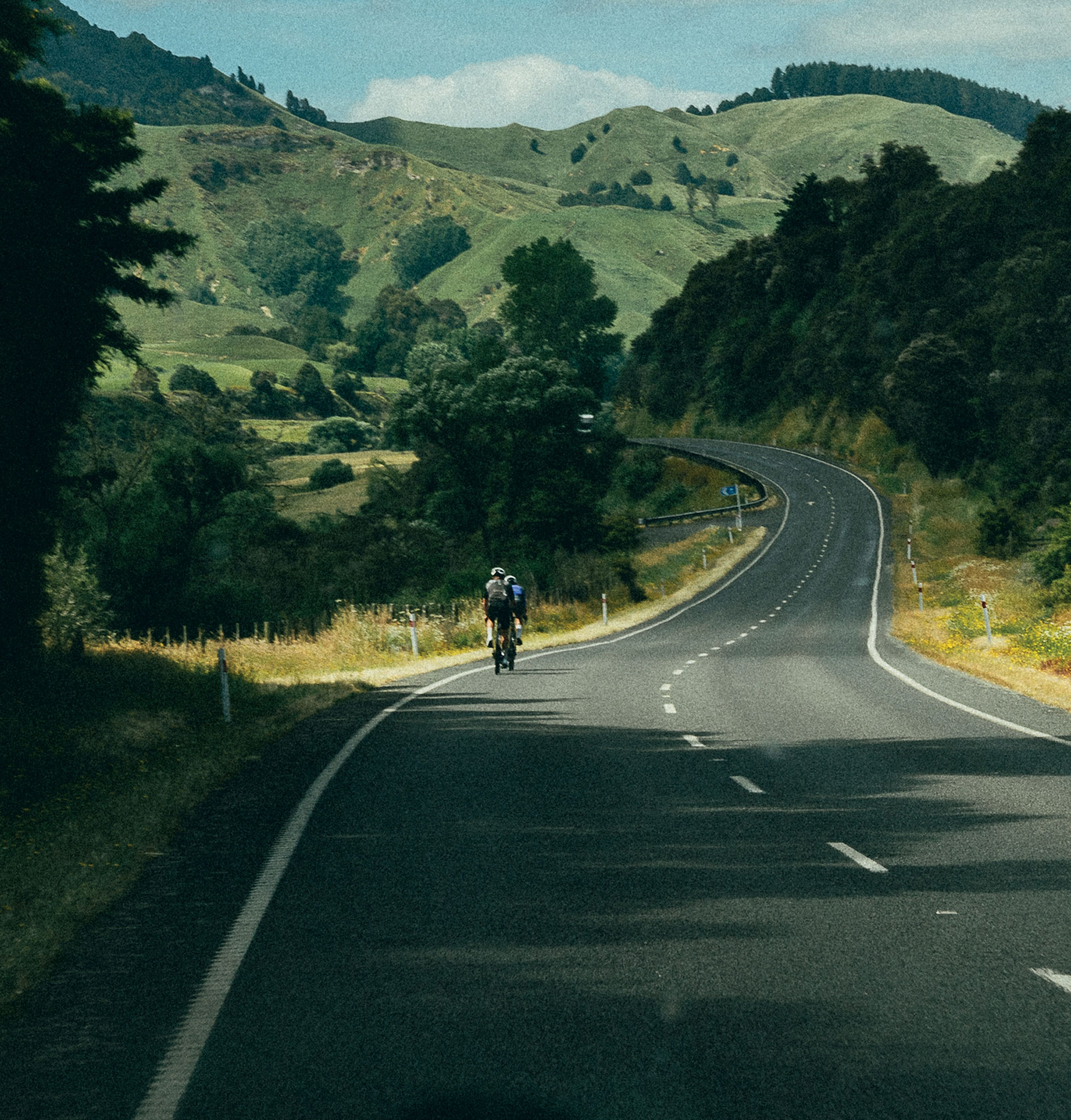
True to his word, having seen his record beaten, Lambert doubled down, riding up to 1000km a week in preparation for a second record attempt. When Lambert arrived in Wellington in February 1984, he’d beaten Fleck’s time by just 10 minutes, setting a new FKT of 19 hours, 59 minutes and 27 seconds. Lambert’s record would stand for 41 years, and it took a professional endurance athlete to beat it.
One significant advantage Sam had in taking on the FKT is that he does this kind of thing for fun.
In 2018, Sam was invited to compete at King of the Mountain, at Mount Olympus in the Canterbury Mountains, by his friend, mountain biker Charles Murray. Sam, then living in Rotorua, decided the best way to get there was by bike.
“I just thought, ‘sweet, I’ll ride there.’ It was 1,000 kilometres and I did it over four days on a steel bike with baggy shorts and gravel tyres,” Sam says.
Since that trip, Sam has made an annual pilgrimage to Christchuch from home, wherever that is. Each year has a theme – such as racing cyclocross along the way or finishing a shift on the tools and riding 500 kilometres overnight. In 2025, the ride was a preparation event, and an opportunity to create a new FKT: Wanaka to Christchurch.
“I was interested in the concept of FKTs, so I wanted to establish and set one, and see what I could learn before doing Auckland to Wellington,” Sam says. “The point was to see if I could hold the average pace I’d need for 640 kilometres. A ride like this is pretty dependent on the wind, but I’d had to set a date for this one so I could document it, and I didn’t get the weather I wanted.”
Sam covered the 471 kilometres in 13 hours and 32 minutes, recording an average speed of 34.8 kilometres an hour. Not the pace he’d aimed for, but fast enough in mixed conditions to be confident of beating Morton’s time.
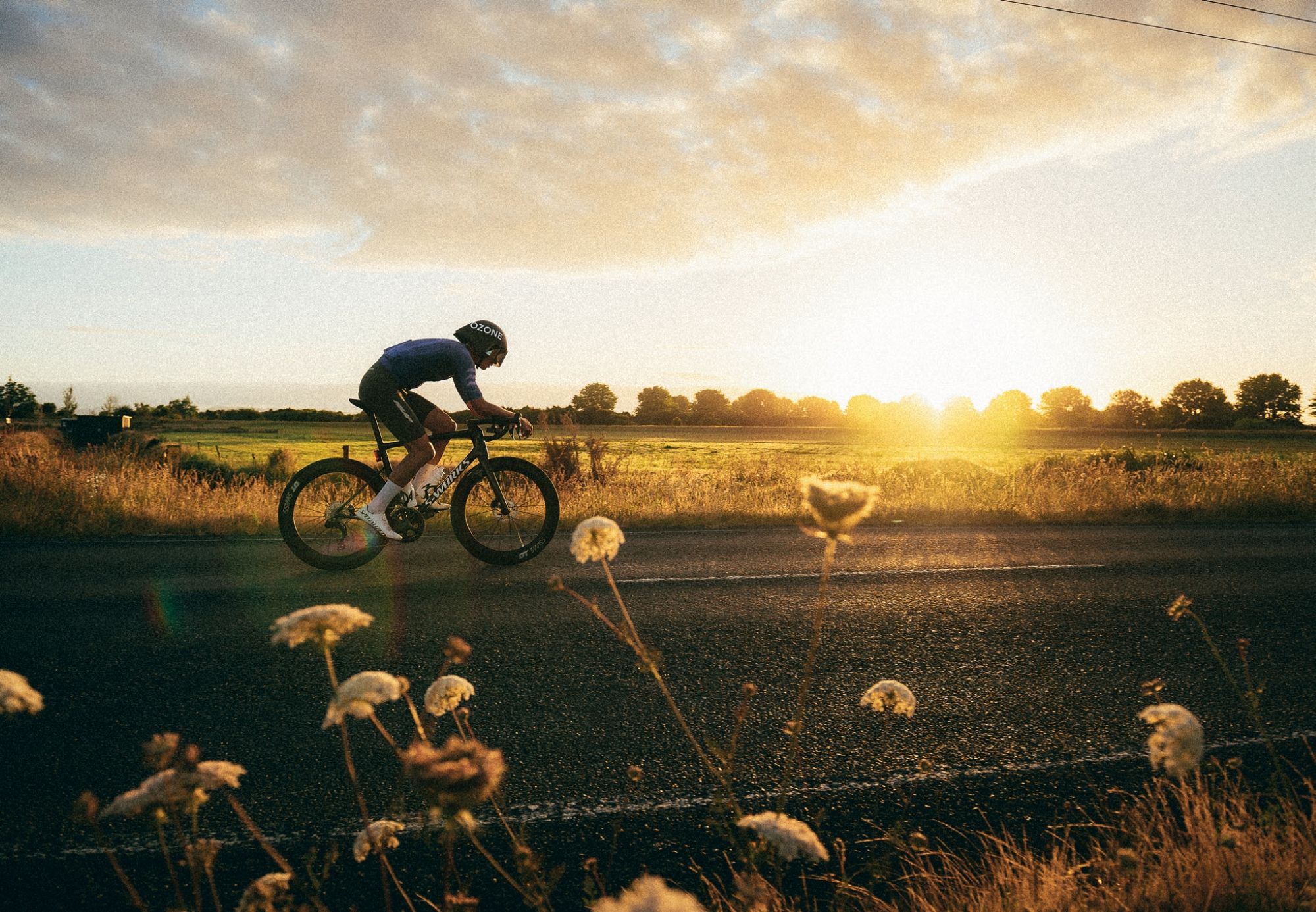
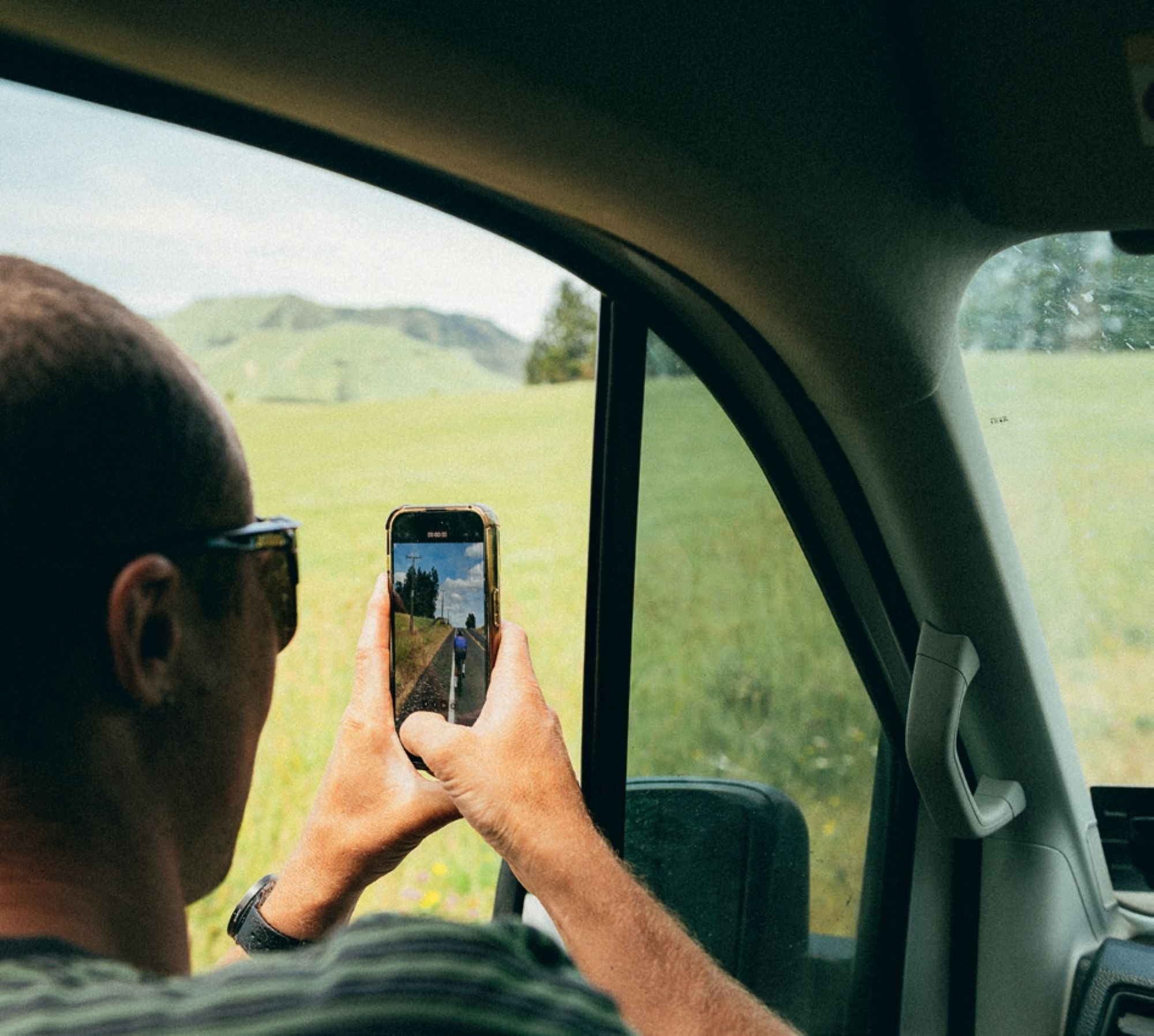
“I finished that and I knew I could do it, and I figured out a few ways to improve my chances,” Sam says.
Sam’s final preparation event was Edition Zero in Waimate where, under-fuelled, he took fifth place, beaten only by an elite selection of gravel racers including Cam Jones, Jeremy Presbury, Caleb Bottcher, and Matthew Wilson.
“A few people actually asked me afterwards, if not winning Edition Zero meant I couldn’t do Auckland to Wellington, but that race really gave me the confidence that I could do it. I didn’t eat properly but I did well and I was able to keep training hard the next day. I knew I was good to go.”
With his body ready and some of the kinks ironed out, the next problem to solve was the logistics.
The ideal time for this record attempt is the summer, where extended daylight hours and northerly prevailing winds creating the best conditions. Ideally, you could camp out in Auckland for a week and wait for a weather window, but Sam was using annual leave to make the trip and couldn’t ask that of his support crew.
Sam eventually settled on Friday the 12th of December for the attempt and told his crew to book flexi-tickets. When the weather forecast went bad, flights were moved and a new plan was hastily thrown together. The new date was Monday 15th of December.
“At that point, it was now or never. There’s no way I’m going to be able to pull this scenario together again with my work, my crew and my fitness. I stopped looking at the weather at that point because it didn’t matter if it changed anymore. I was doing it on Monday.”
With the date locked in, Sam’s crew assembled in Auckland. Brendan Clarke (aka Bubbles) was the key financial supporter and driver. Tom Christie and Jay French were there to document the ride, and Charlie Murray – fresh off the back of third place in the UCIs Enduro World Series – was there as Sam’s right-hand man, providing moral support and nutrition out of the van.
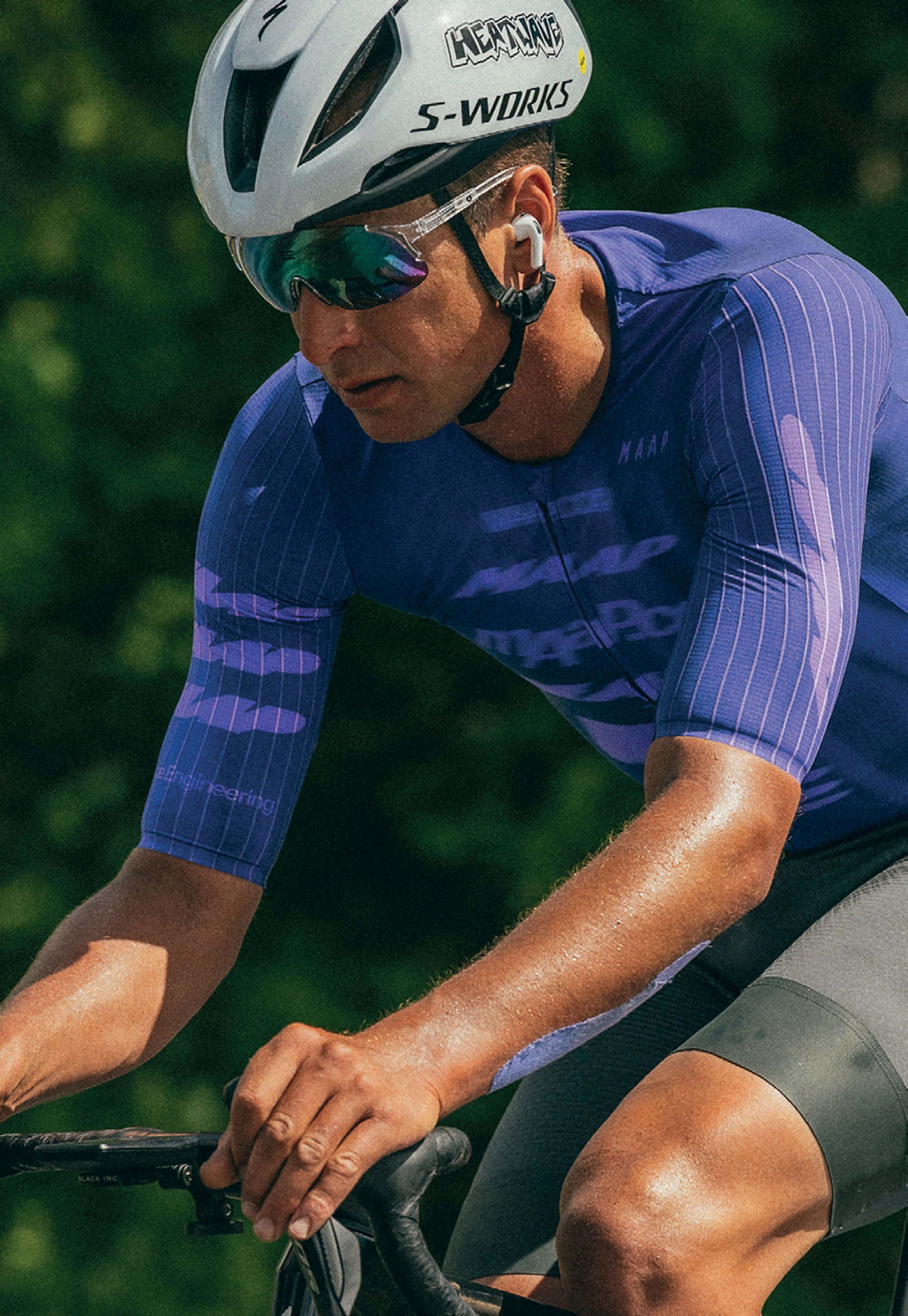
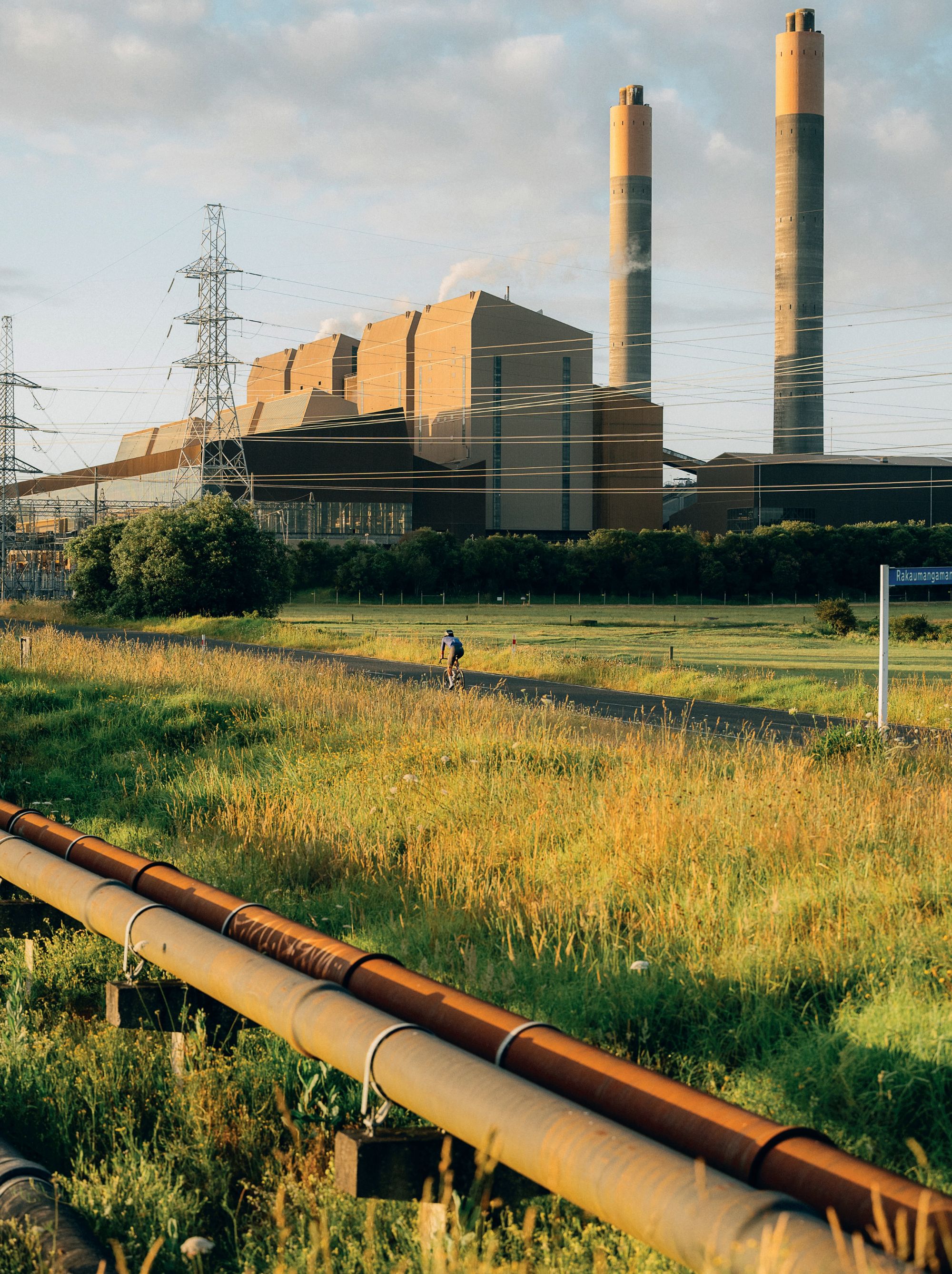
If I was taking on a challenge like this, I’d have neurotically tried to control every variable, and I’d have been a nervous wreck the day before the ride. Sam, by comparison, was light as a feather. A behind the scenes video of the pre-ride supermarket shop, taken by Murray, is revealing about Sam’s approach to the record, and his state of mind beforehand.
While many ultra-endurance athletes have dialled in nutrition strategies, hours before his record attempt begins Sam is asking Murray to google how many grams of carbohydrate are in a banana (27), and in a carrot (6). Sam doesn’t know what batteries he needs for his electronic shifting, and once he’s established the one he needs, manages to buy the last one in the shop.
“Sam’s a pretty loose operator,” Murray tells me after the ride. “If I didn’t know him, I’d be freaking out, but because I know him and how he operates, it just makes life more interesting.”
“I think it works in his favour, because he breaks things down into what’s important and what’s not, and he doesn’t waste time or energy worrying about things that aren’t crucial,” Murray says.
Sam slept like a navy seal the night before the ride, going to bed at 4pm and waking occasionally to greet his support crew before effortlessly falling asleep again. “I was just so ready for it. It was like my body just knew what it had to do,” Sam said.
Then, almost a year of planning came down to one day. At 4am, Sam clipped into his pedals, and the race against the clock began.
“The start of the ride put me in a great headspace,” Sam says. “I was always expecting that I’d start the ride and be down on average speed, but I got a good run of lights coming out of Auckland. When I looked at my average pace after about two hours, I was averaging 39.7kph and I knew I was in a great position to do it. The next phase was to get to 500 kilometres and just feel good.”
Sam looks smooth on the bike, but the power required to maintain this pace is violent. Sam’s aim for the first 12 hours of the ride was to maintain a normalised power (a measure of power that only takes into account time spent pedalling) of 300 watts. I’m a pretty average cyclist and the longest I’ve ever held 300 watts is 11 minutes.
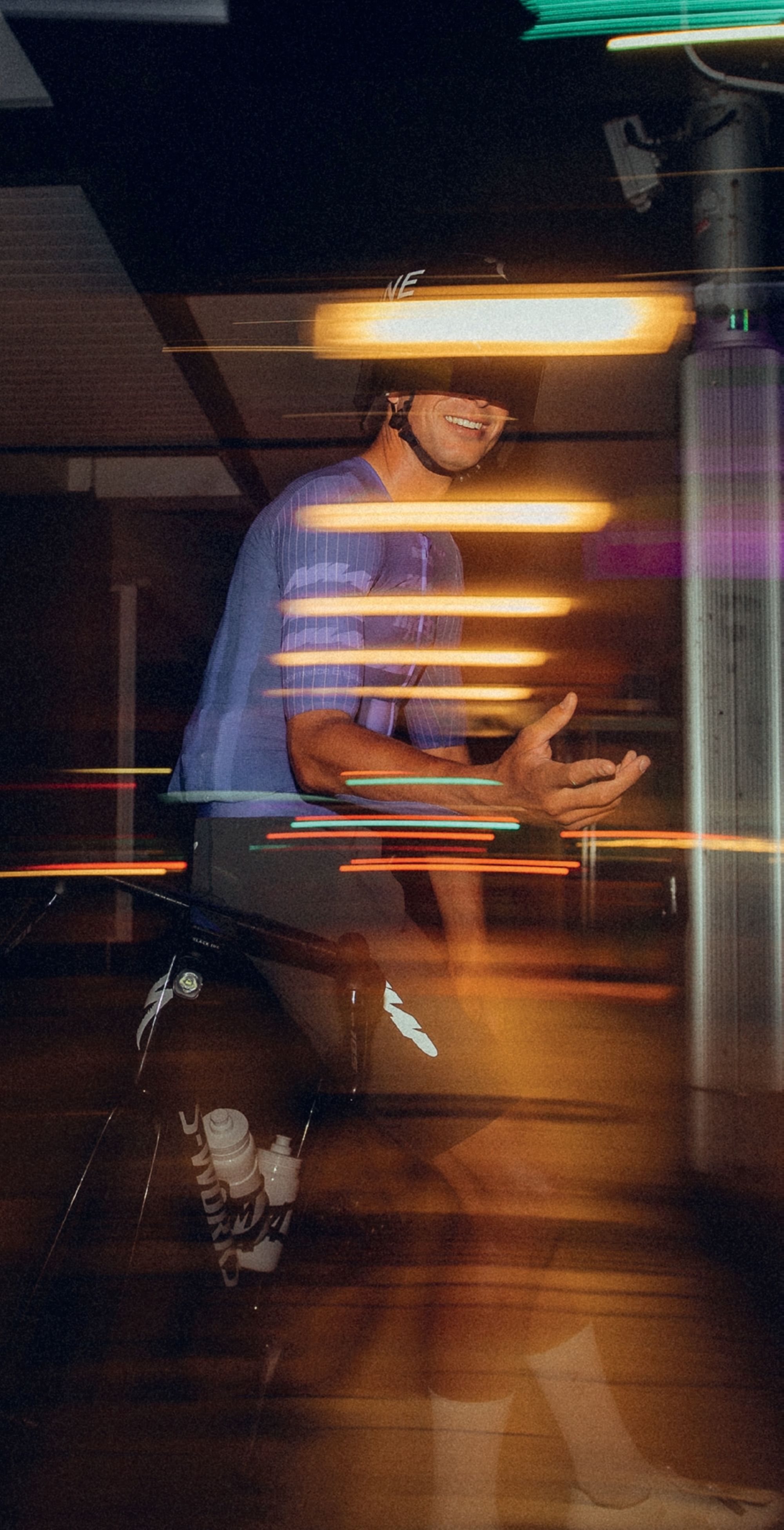
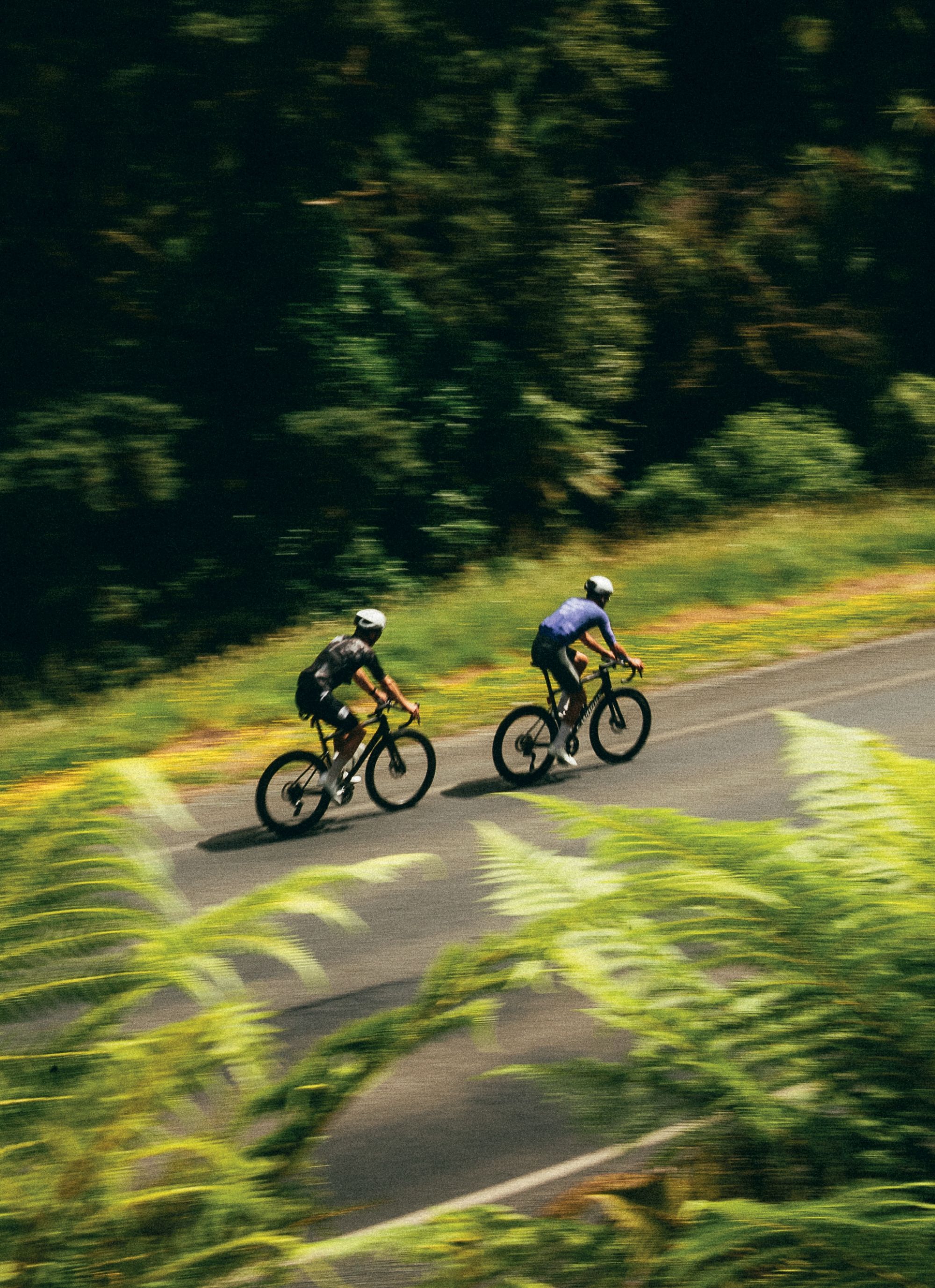
After a long stint in the van, Murray hopped on his bike to keep Sam company. Murray is a world class bike rider, but he knew that if he tried to get onto Sam’s wheel from a standing start, he might never have caught him. “I had to start ahead of him to get up to speed, then let him catch me and jump onto his wheel. He’d been riding for almost seven hours. I was drafting him and I had to push as hard as I could just to stay in his wheel for an hour.”
As the kilometres ticked by and Sam’s relentless pace continued, it became clear early that Sam was on pace to smash Morton’s record. “At the 300-kilometre mark I was about 20km ahead of where Lachlan would have been. I was heading to the top of the climb at Tongariro National Park and I still had a 37kph average. I knew if I got to the top and I’d maintained that speed, I was going to do it.”
Endurance sports coverage falls over itself to lionise the hardship experienced by its athletes, but for Sam, he was right where he wanted to be. “I think the exciting thing about a ride like this, for a lot of people, is the idea that you have a transformative journey because you’re suffering,” Sam says. “But I just love doing this kind of thing. I really enjoyed it.”
Back in the van, his crew were all too aware that after this many hours on the bike, you can go from flying to crawling in minutes. These concerns grew on the approach to Whanganui.
“The second time I rode with Sam, I looked at the back of his legs and could see salt accumulating behind his knees because he was sweating so much for so long,” Murray says.
When Sam started to cramp, the call went out to the people of Whanganui. Bring salt to the roadside.
“We got a saltshaker from someone on the side of the road, and he was just shaking salt into his mouth and washing it down with water. He probably only had a teaspoon, but I think it was enough to turn the tide,” Murray says.
Murray believes it was the salt that was key to Sam’s recovery, but Sam, like Brian Lambert before him, attributes his success to a pie. “I bet there is some science that shows that you need a complete diet to stop cramp. You can’t just ride that long on sugar and electrolytes. You need salt, you need fat, you need carbs, and you need protein,” Sam says.
With the cramp solved, a significant buffer over Morton’s pace, and a tailwind into Wellington, any doubts rescinded. For a glorious, sunlit evening, the question was not whether Sam was going to break the record, but by how much.
In these hours, there was time to reflect on the journey. On the years riding mountain bikes. On the last 10 months of preparation. And on the last 17 hours spent accomplishing the biggest goal of his life.
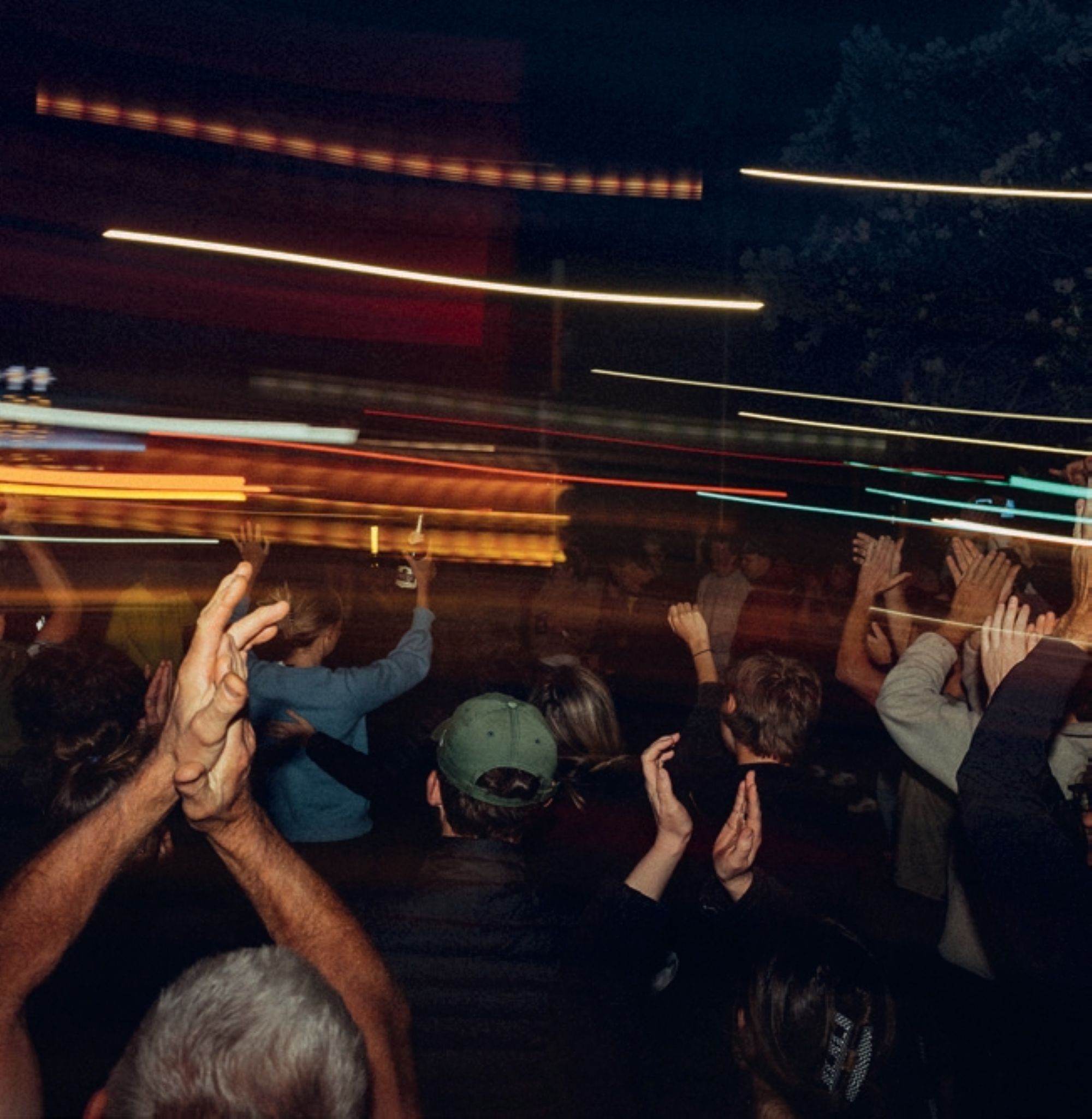
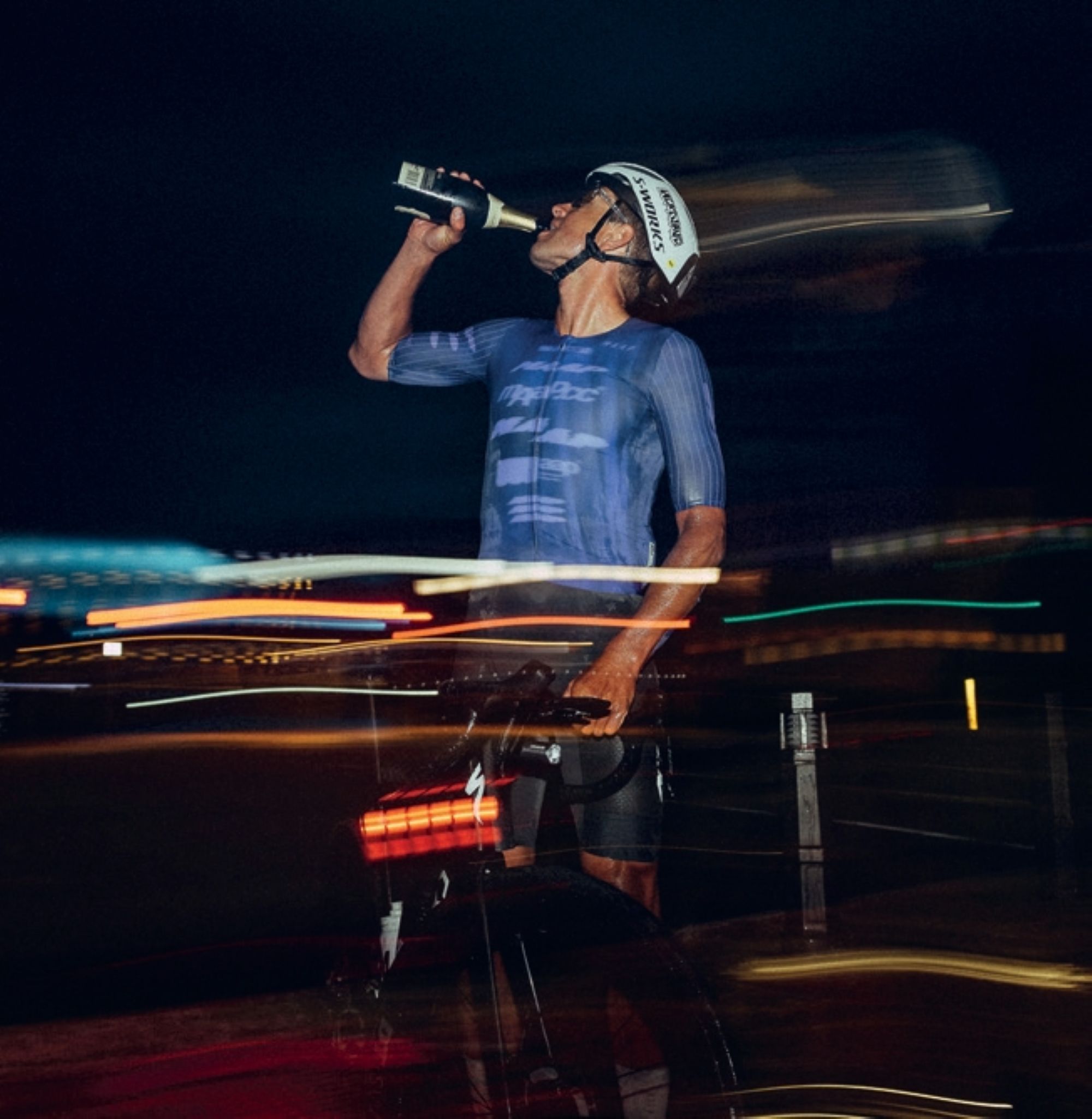
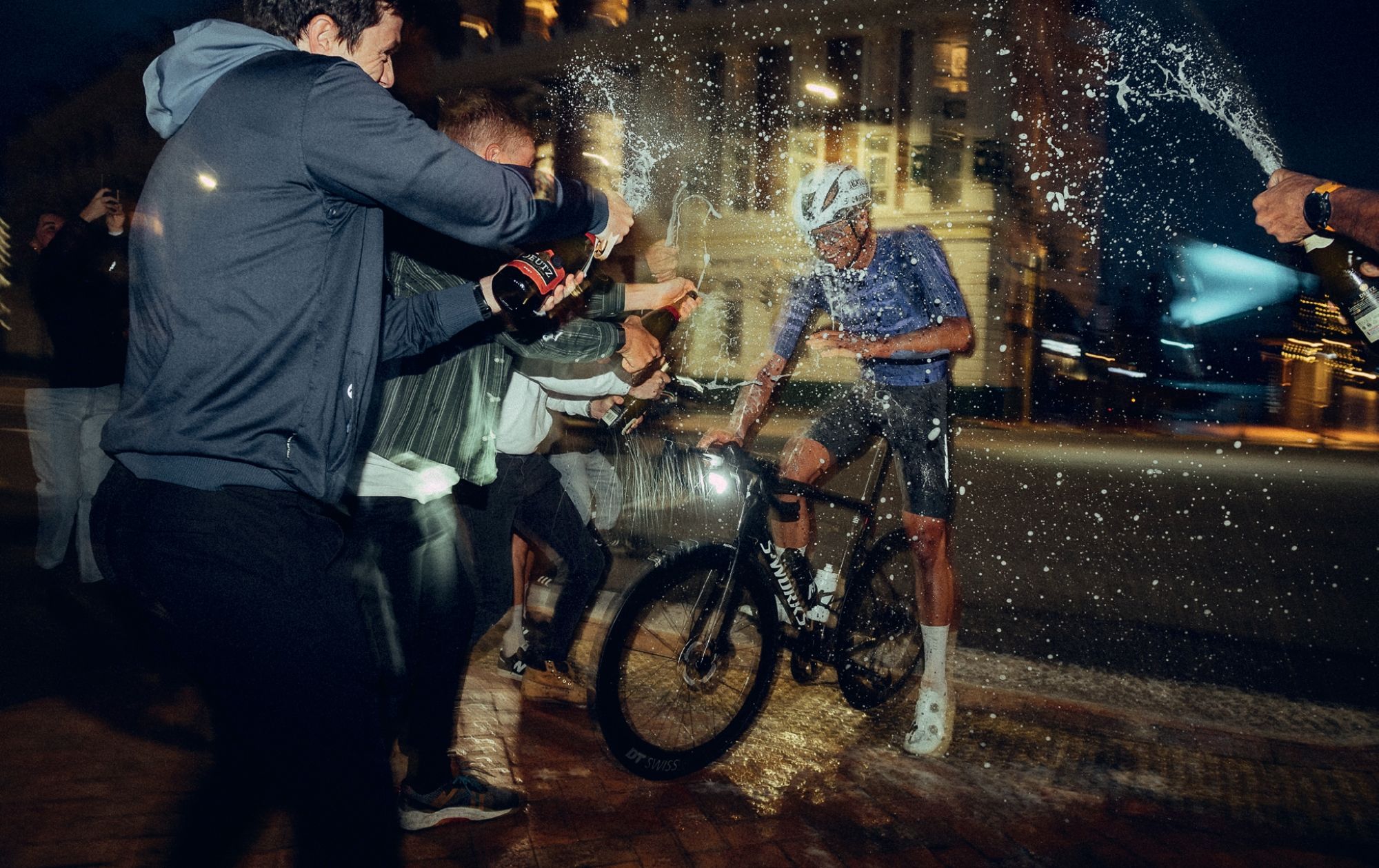
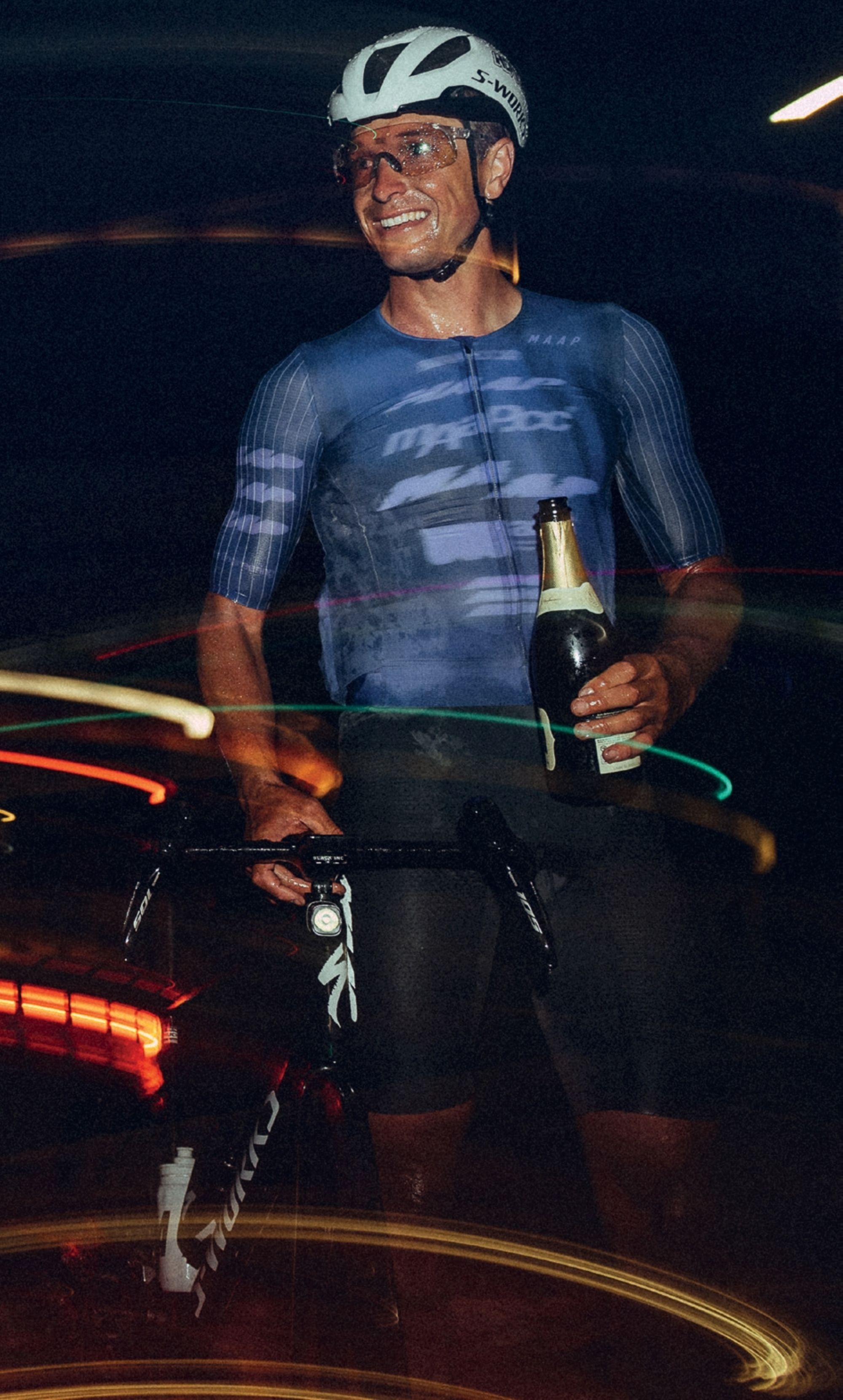
So, when he told his friends and family in Wellington, visibly exhausted and drenched in champagne, that it was the most satisfying thing he’d ever done on the bike, you know he meant it.
Congratulations Sam..